

Society of the Snow: The Spirit of Survival
I would be the first to admit that we knew so little about Uruguay before our recent trip. As part of my trip planning, I made a habit of researching movies and shows about the country we will be visiting on various streaming platforms. It suddenly occurred to me that we had watched a movie called Society of the Snow on Netflix about a year ago. Although it was a production by Spain, the movie tells the story of survival following the 1972 crash of Uruguayan Air Force Flight 571. It was one of the most harrowing historical dramas we had seen in recent memory. When we heard that there is actually a museum in Montevideo dedicated to this event, I knew we had to pay a visit.
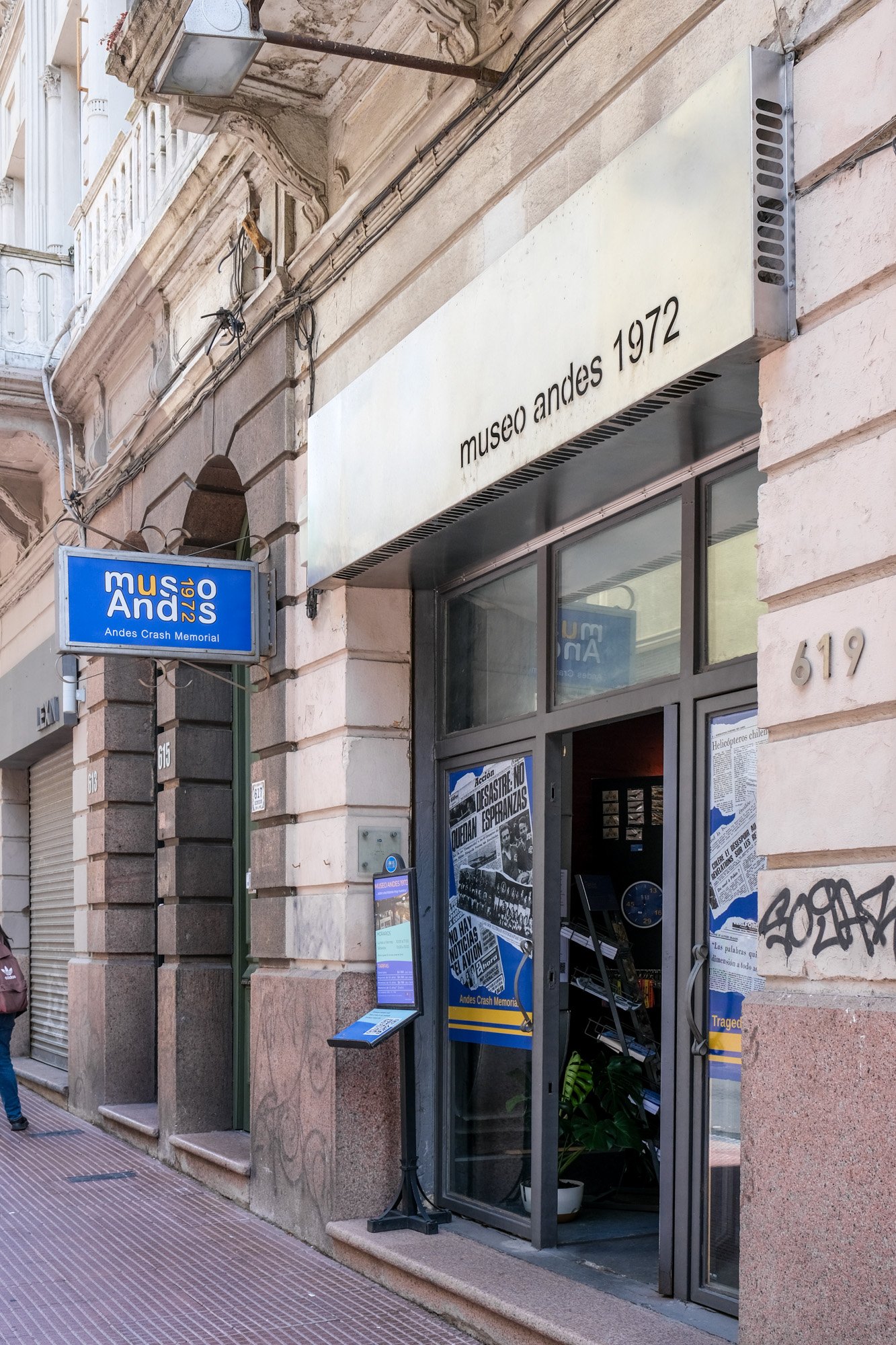
Located near the corner of the Plaza of the Constitution in Ciudad Vieja, the Andes Museum 1972 was the brainchild of Jörg PA Thomsen, a Norwegian who befriended some of the survivors. Over the decades, he grew increasingly concerned that this extraordinary tale of survival might have slipped from public memory. A physical museum in the center of Montevideo would be a tangible way to memorialize this extraordinary event. This diminutive museum looks like a tourist agency from the outside, but don’t let the appearance fool you. According to Karen Higgs from Guru'Guay, which is perhaps the best independent travel resource on Uruguay, this is the single most visit-worthy museum in Uruguay.
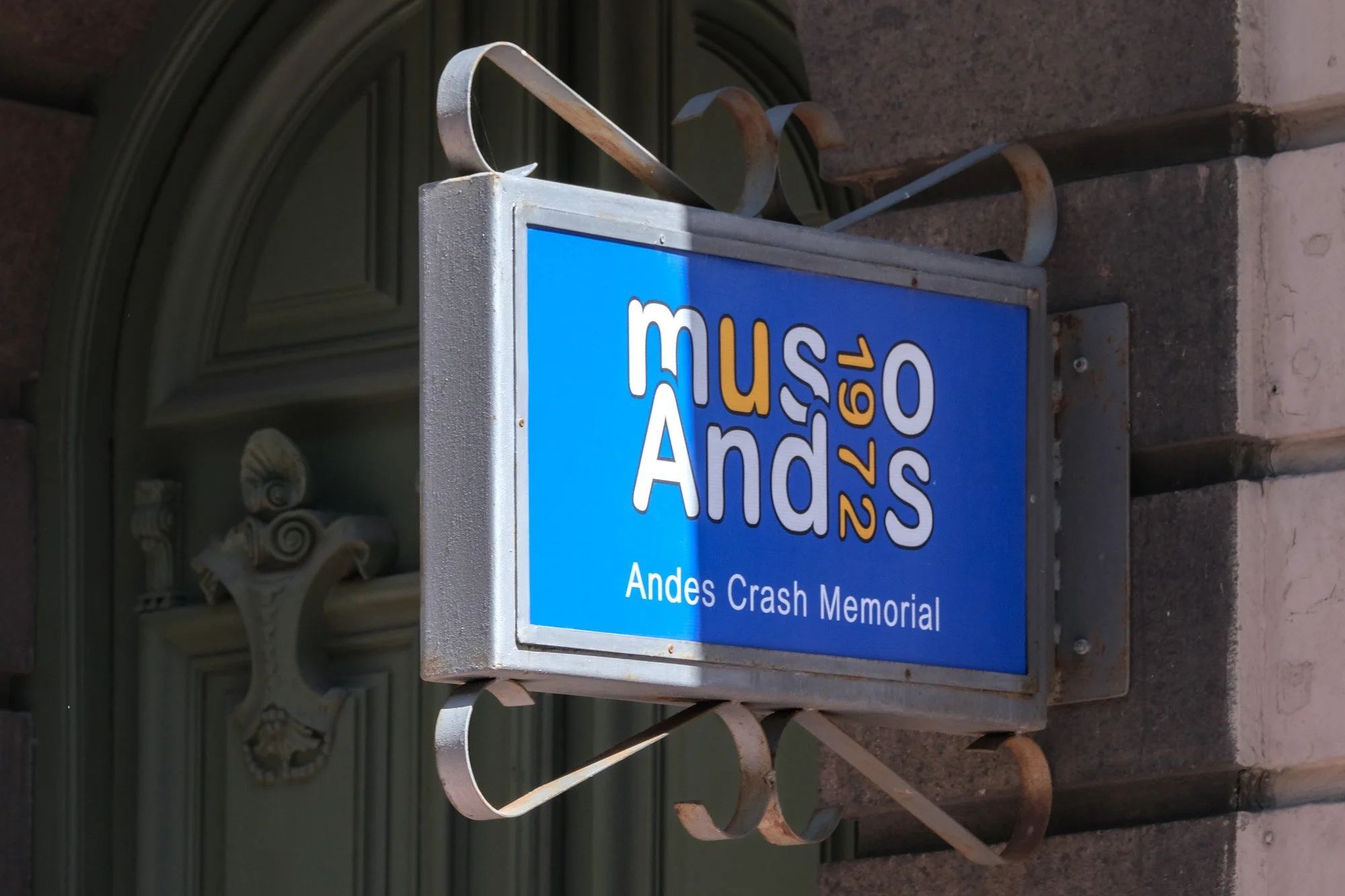
The Andes Crash Memorial & Museum is one of the must visit in Montevideo.
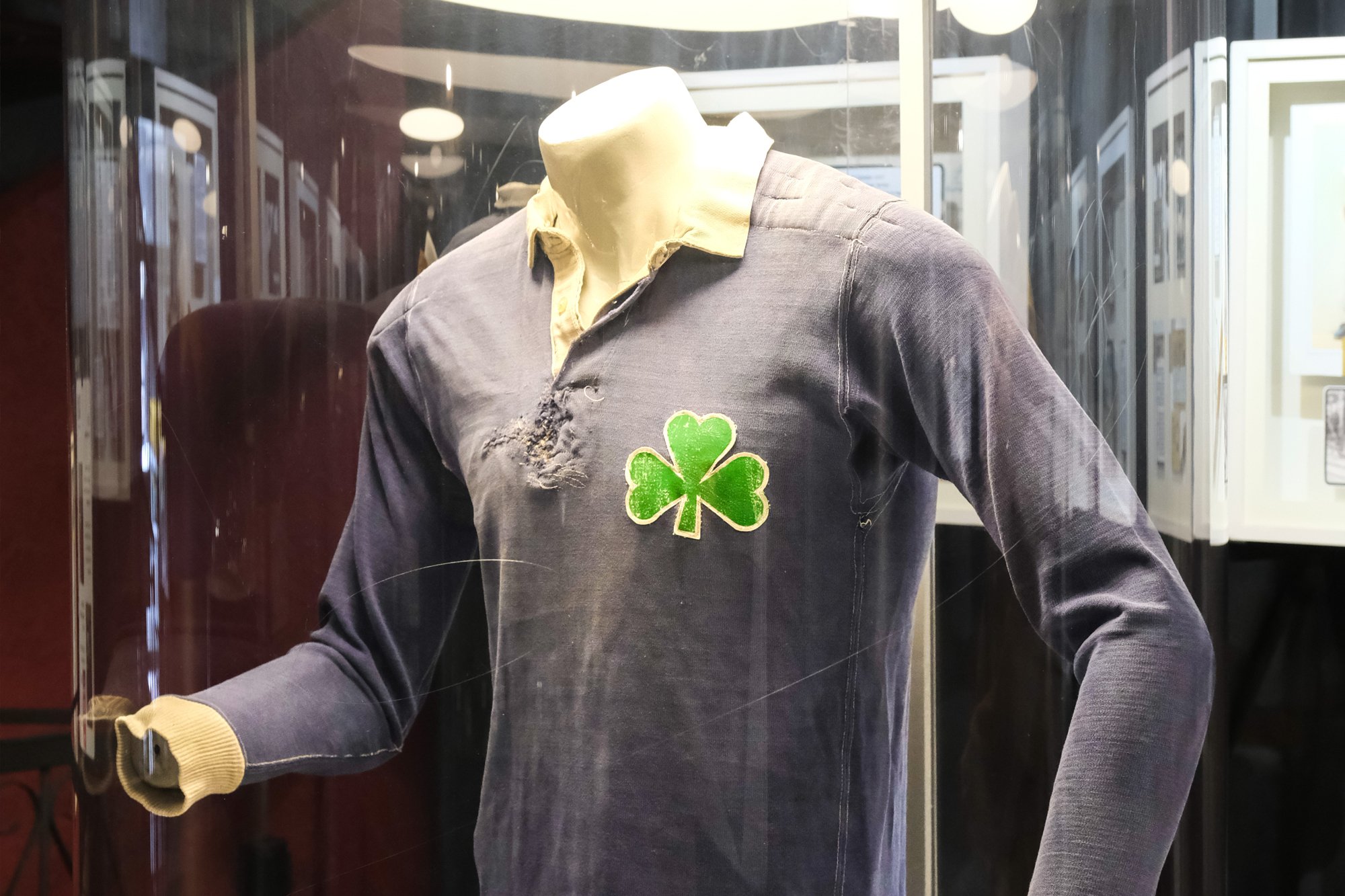
For anyone who is not familiar with this incident, here is an abridged synopsis of the event. On the 13th of October, 1972, the plane carrying the Old Christians Club rugby team from Carrasco neighborhood of Montevideo crashed on the glacier of the high Andes mountains on their way to an exhibition match in Santiago, Chile. Sixteen of the passengers survived for 72 days with little provisions. When their meager food supply ran out, the survivors debated and ultimately resorted to cannibalism for their physical survival. After several attempts to seek help, they eventually created a three-person sleeping bag from the insulation they found in the broken fuselage. It allowed three of them to spend time overnight outdoors and seek help far afield. Two of them eventually made contact with a Chilean arriero after a nine-day trek.
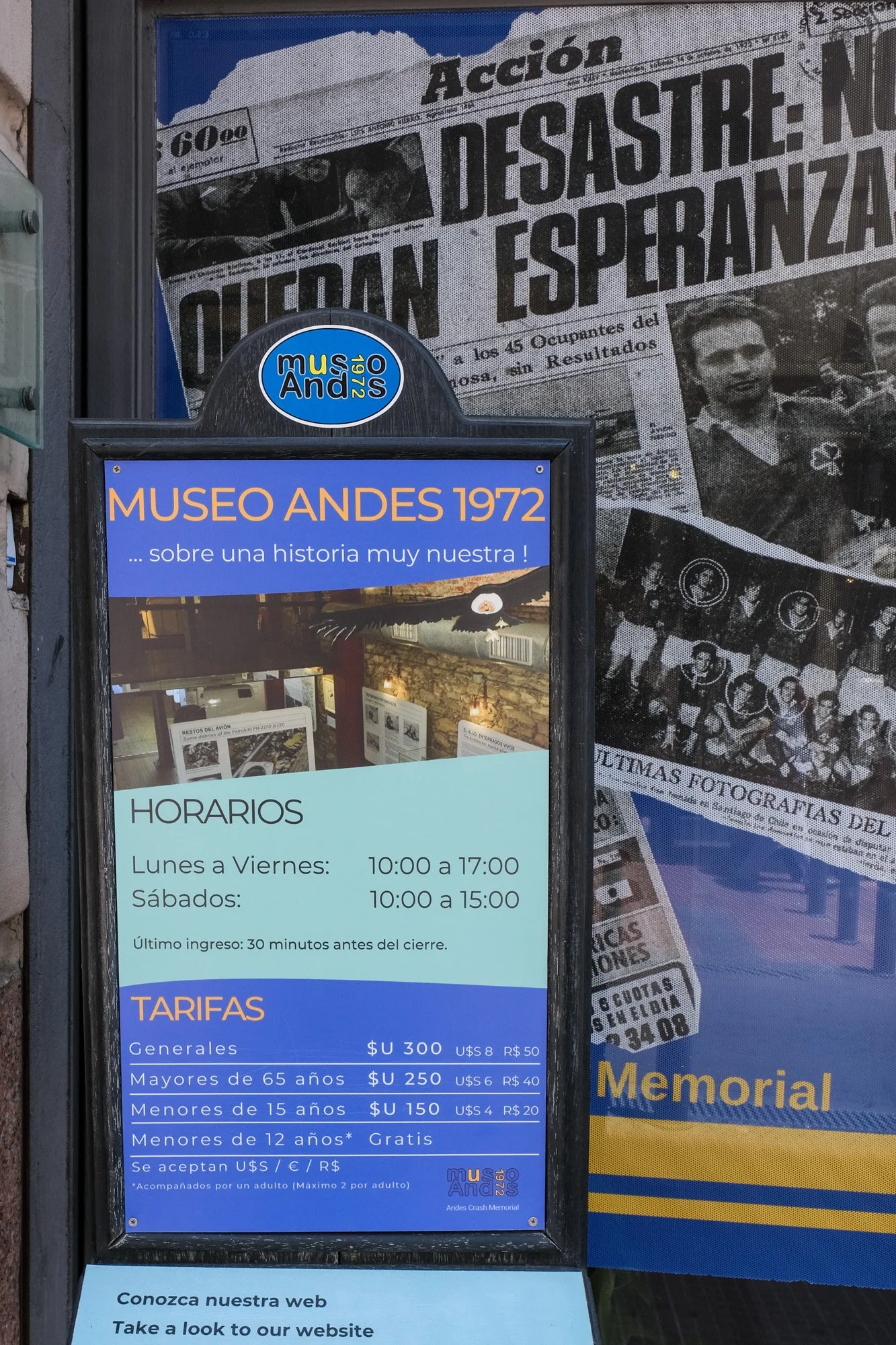
Needless to say, the news of their survival made international headlines, and it was dubbed the “Miracle of the Andes'‘ by the press. They became national celebrities overnight, but questions soon arose about how they managed to survive on the glacier. Before they even got back to Uruguay, rumors spread that the survivors killed their fellow passengers to feast on their flesh. Collectively, they decided not to admit to cannibalism until they could discuss it in person with families back in Montevideo. The group finally addressed the issue with great emotion and deliberation at the national press conference:
“At the Last Supper, [Jesus] distributed his body and blood to all his apostles. There, he was making us understand that we should do the same. It was an intimate communion between all of us.””
In this case, cannibalism is considered an act of sacrifice and commandership, rather than violence and savagery. I suspect many took particular interest in this plane crash because of the gory nature of cannibalism. Some might even come to this museum to see how it may address this sensitive topic. As normal people expected, cannibalism is not explicitly addressed in the museum, as it was arguably fodder for gossip and tabloids. The gruesome acts could arguably be the least interesting part of their struggle for survival, and they should be treated respectfully out of respect for those who perished there. I can’t help but wonder whether the treatment of survivors would have been different if they were from a particularly devout Catholic country.
Upon paying the modest admission fee, we were instructed to start the visit with a screening of a short documentary in the basement. For those who had never heard about this event, the film was very informative and set a tone for the rest of the visit. Since we had already watched the Society of the Snow and learned a bit about the event, we were far more intrigued by a giant machine on the other end of the basement. The staff explained to us that it was a simulation chamber of the temperature at the location at the time of the crash. Because the plane was traveling in late spring between Montevideo and Santiago de Chile, most passengers did not bring winter coats, let alone proper gear for a high-altitude environment. In addition to the physical impact, the immediate thermal shock must have been jarring.
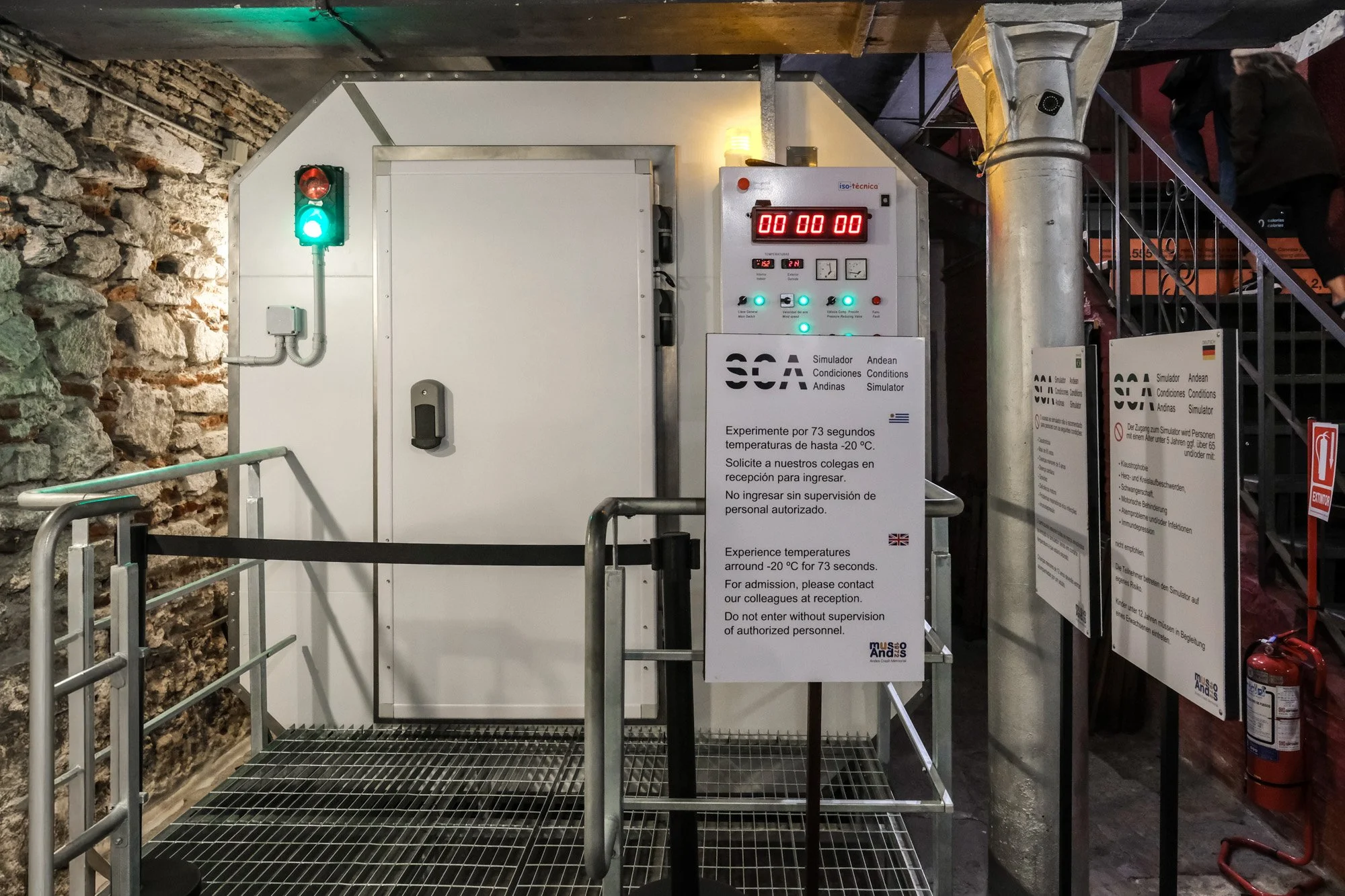
The simulation chamber of the crash site.
We were offered the chance to step into the simulator to experience the cold. Four of us entered the chamber, and the light was switched off as the door slammed shut. We got to experience what it felt like to be in a -20°C, or -4°F. Having lived in a colder climate, I did not find it particularly uncomfortable at first. However, I had to be reminded that such a temperature would be unbearable with wind chill, especially for an extended period. Worst of all, it was the feeling of despair with no end in sight. I could only enjoy the terror they must feel at that moment.
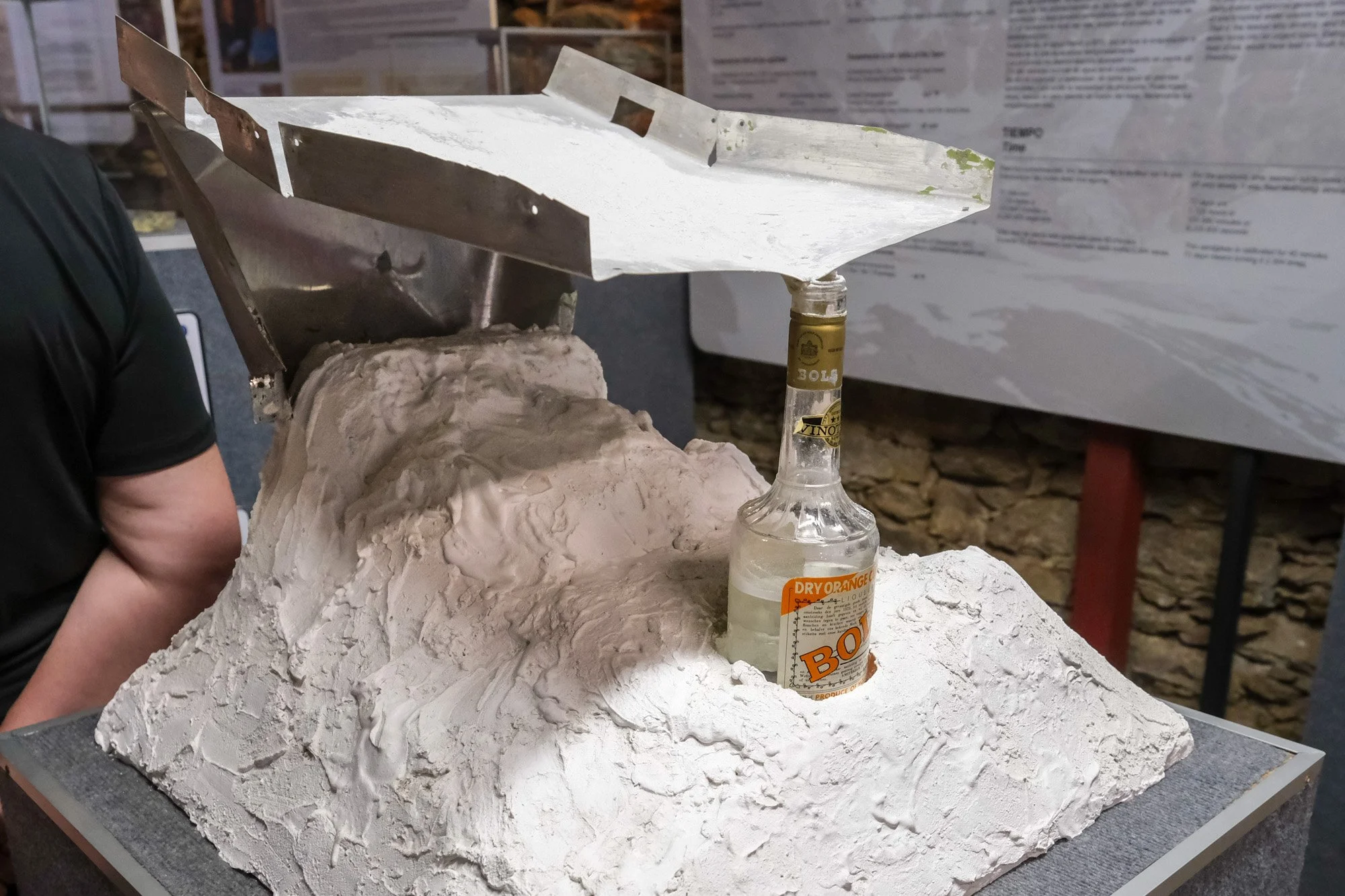
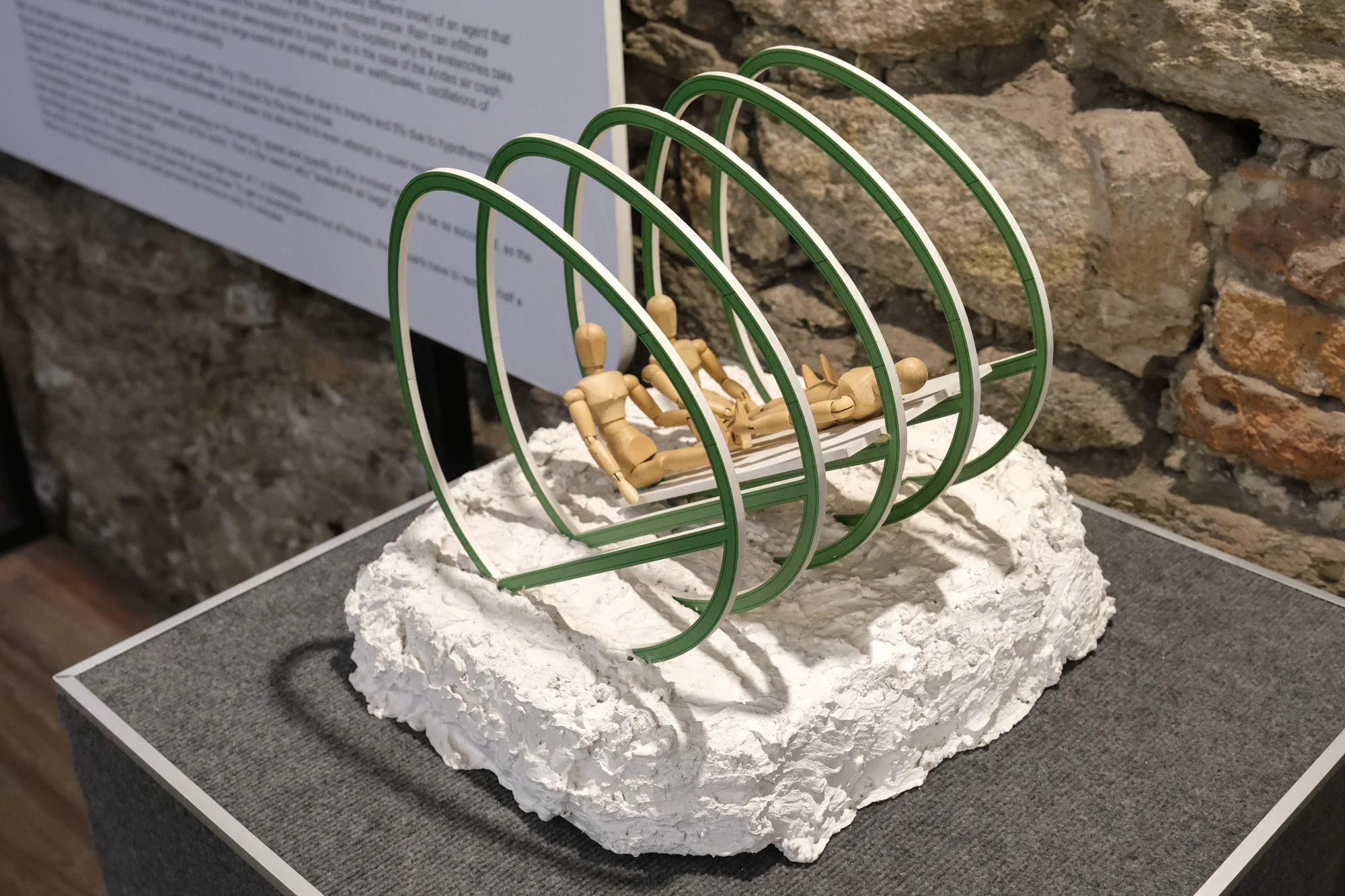
To survive the high altitude environment without provisions, the group had to be resourceful in adapting to the harsh reality. The most pressing physical needs were to stay warm and to procure freshwater. They quickly resorted to utilizing the clothing of the deceased and huddling together within the broken fuselage. Even with plenty of snow on the ground and sunshine, the frigid temperature made melting almost impossible. To source freshwater, the team built a makeshift solar reflector from scrap metal to melt snow. A model on display demonstrated the group's ingenuity and the difficulty in extracting the most basic natural resource. Staying alive was a struggle from the moment of the impact.
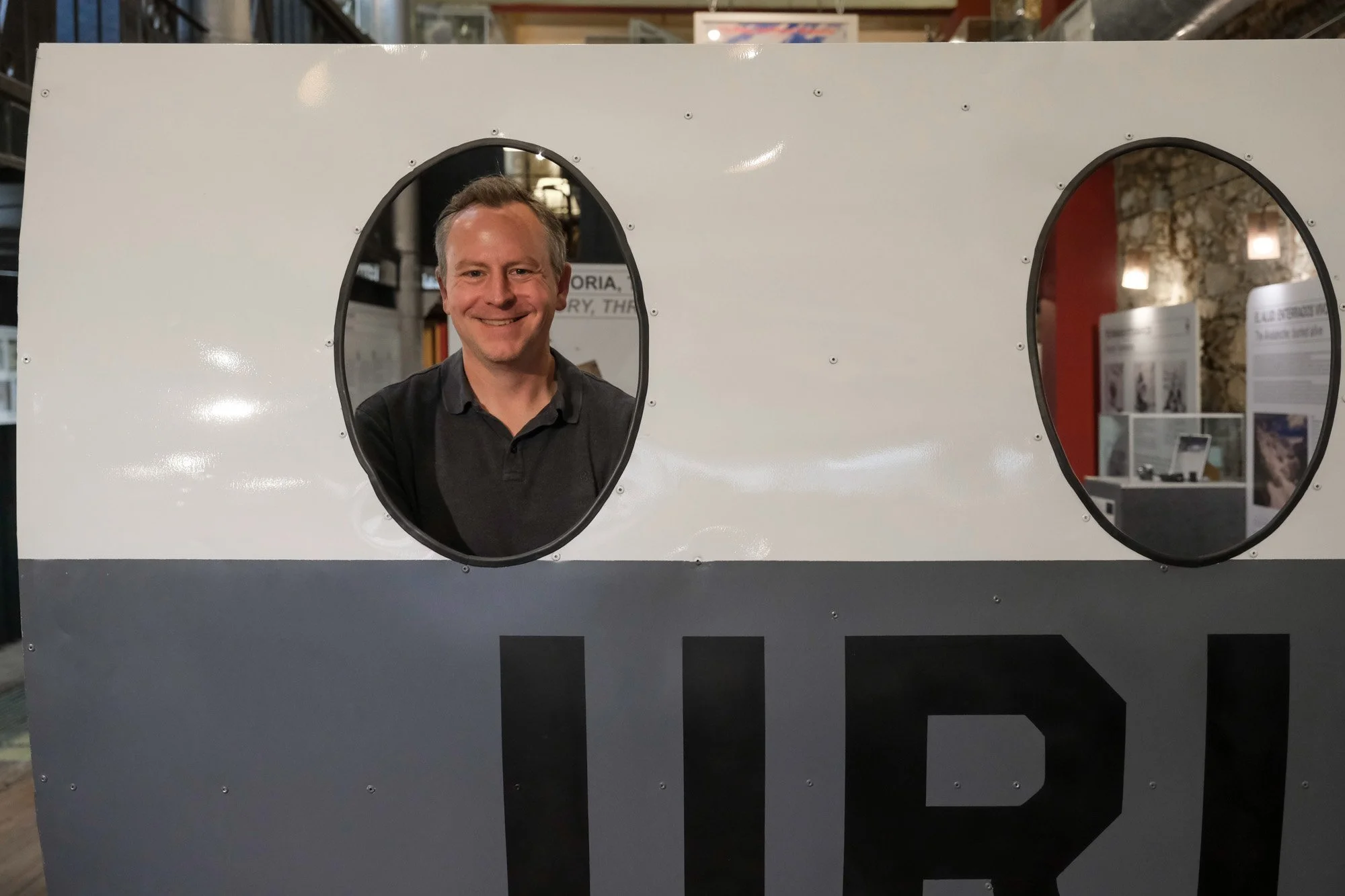
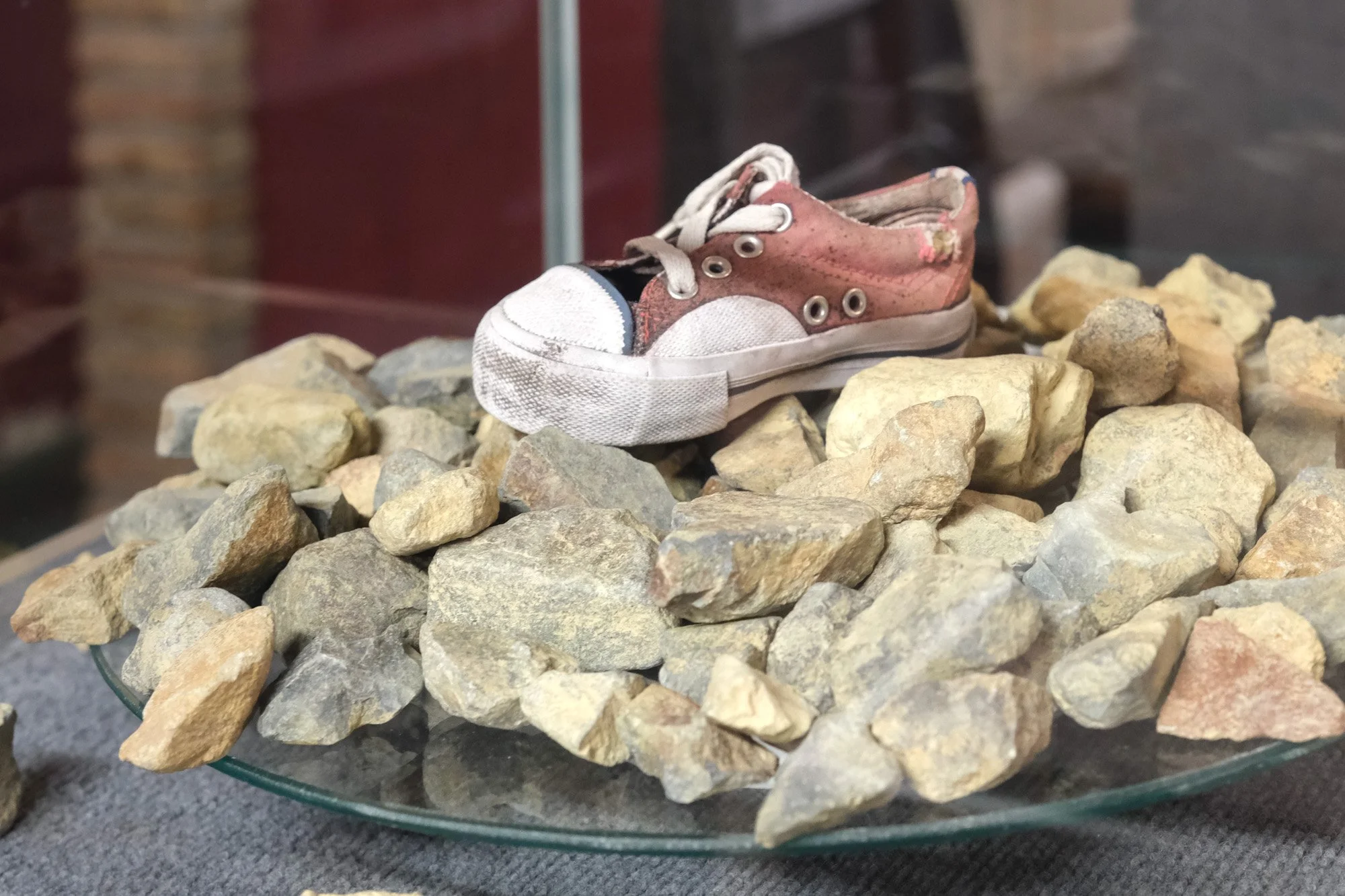
According to the survivors, the most difficult chapter of their ordeal was not cannibalism but the avalanche in the third week of the ordeal. Everyone was sleeping within the fuselage at the time, the avalanche instantly buried and filled the fuselage, and smothered eight people to death. Among the dead are Marcelo Perez, the team’s captain, and Liliana Methol, the last female survivor. The two served as the paternal and maternal figures during the ordeal, and their depth hit the group particularly hard. The survivors were buried under three feet of snow, and it took them more than two days to dig their way out. One could only imagine their fear and despair, not knowing how deep they were buried.
As a