

The Charm of Historic Montevideo
Known as an island of stability in a turbulent region, Uruguay was perfect for a last-minute getaway. The Uruguayan capital, Montevideo, may not be Singapore or Reykjavík, but it is by far the safest capital city in South America, if not the most charming one. This metropolis of 1.3 million does not often appear on travelers’ bucket lists. The contrarian within me purposefully chose to visit Montevideo before Buenos Aires. Honestly, part of me was also scared of losing motivation for Montevideo and Uruguay if we had experienced the splendor of the Argentinian capital first.
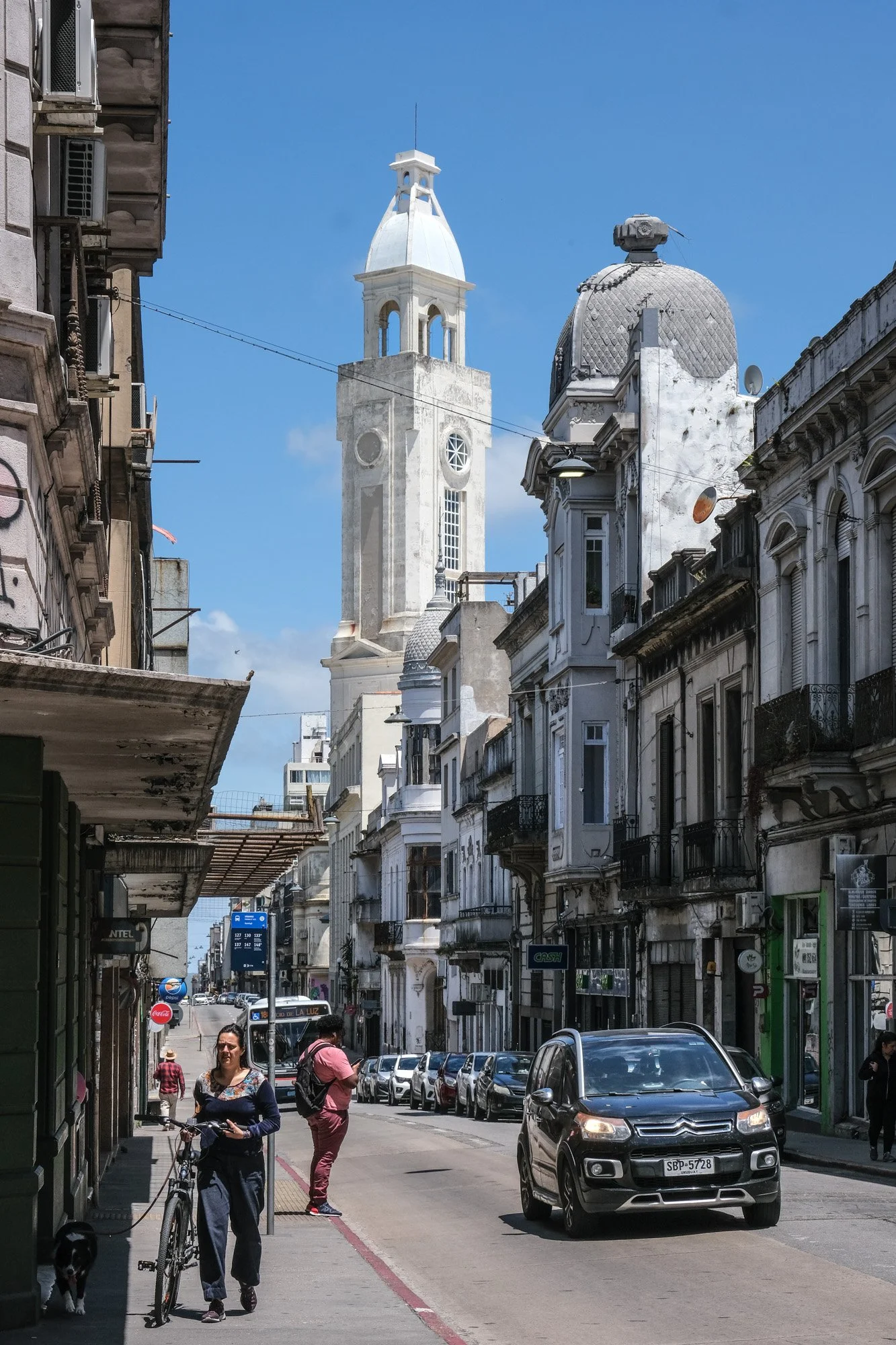
The urban fabric of Ciudad Vieja.
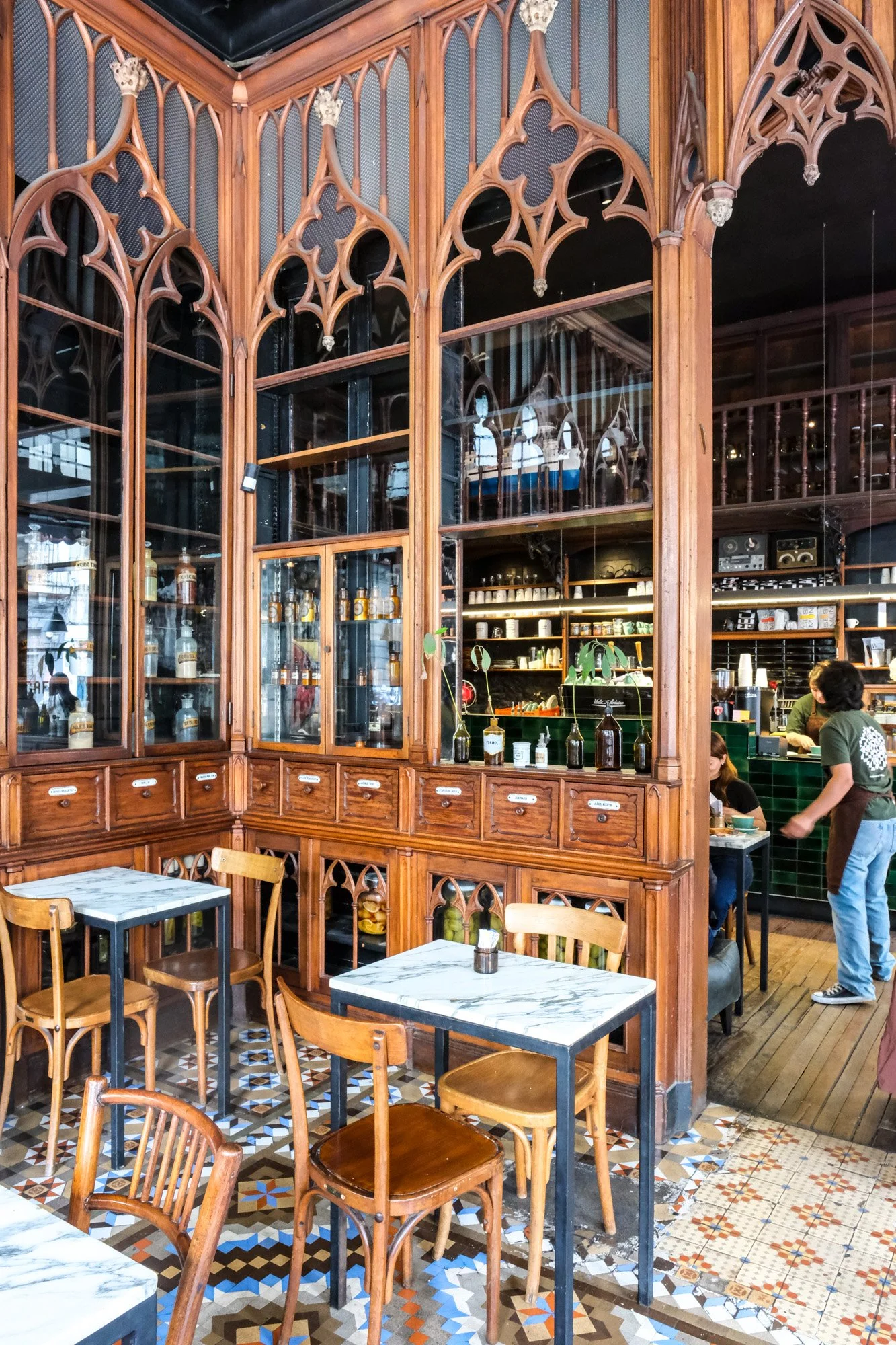
Cafe La Farmacia is the trendiest cafe in Ciudad Vieja.
For our three-night stay in Montevideo, we chose a serviced apartment on the edge of the historic center, or Ciudad Vieja. Like many major cities in South America, Montevideo’s commercial center had shifted away from the historic core. So despite having the highest concentration of historic monuments, the neighborhood is almost devoid of any tourist-class accommodation. That did give me pause and made me wonder if we made the right choice. It was already quite late when we arrived. The streets were largely deserted, but there were at least a few restaurants open until one o'clock.
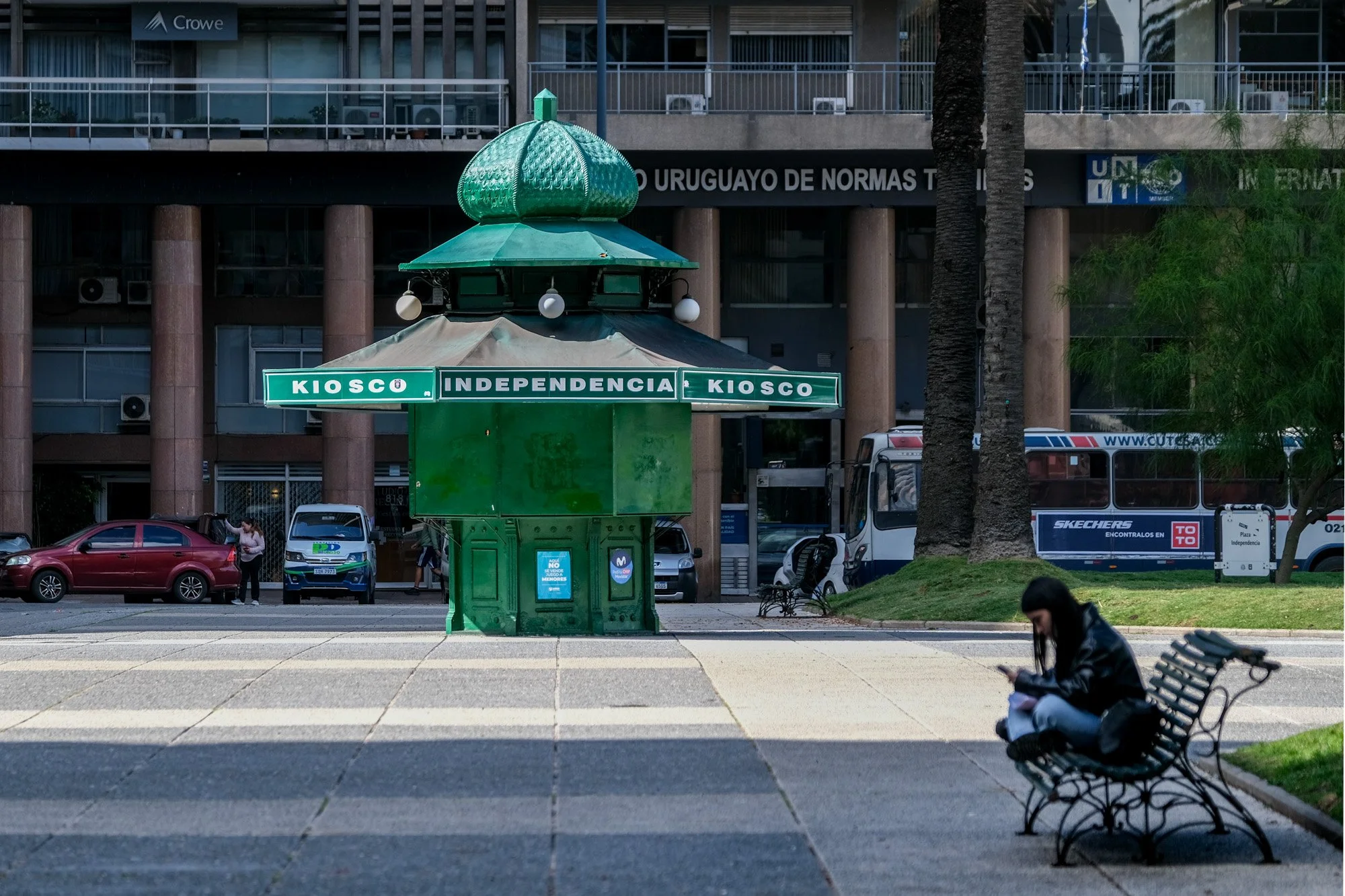
Plaza Independencia
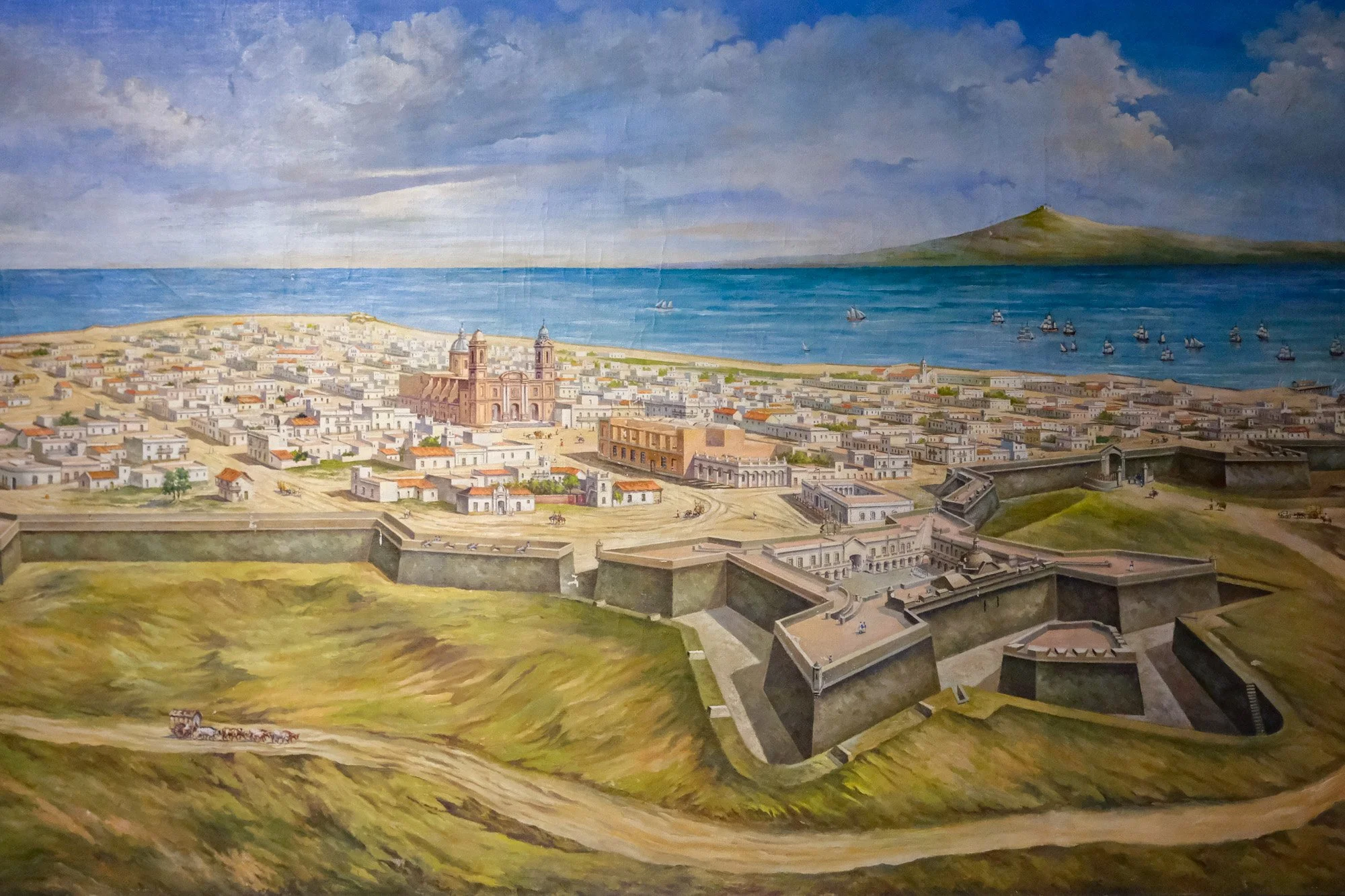
A bird’s-eye view of colonial Montevideo.
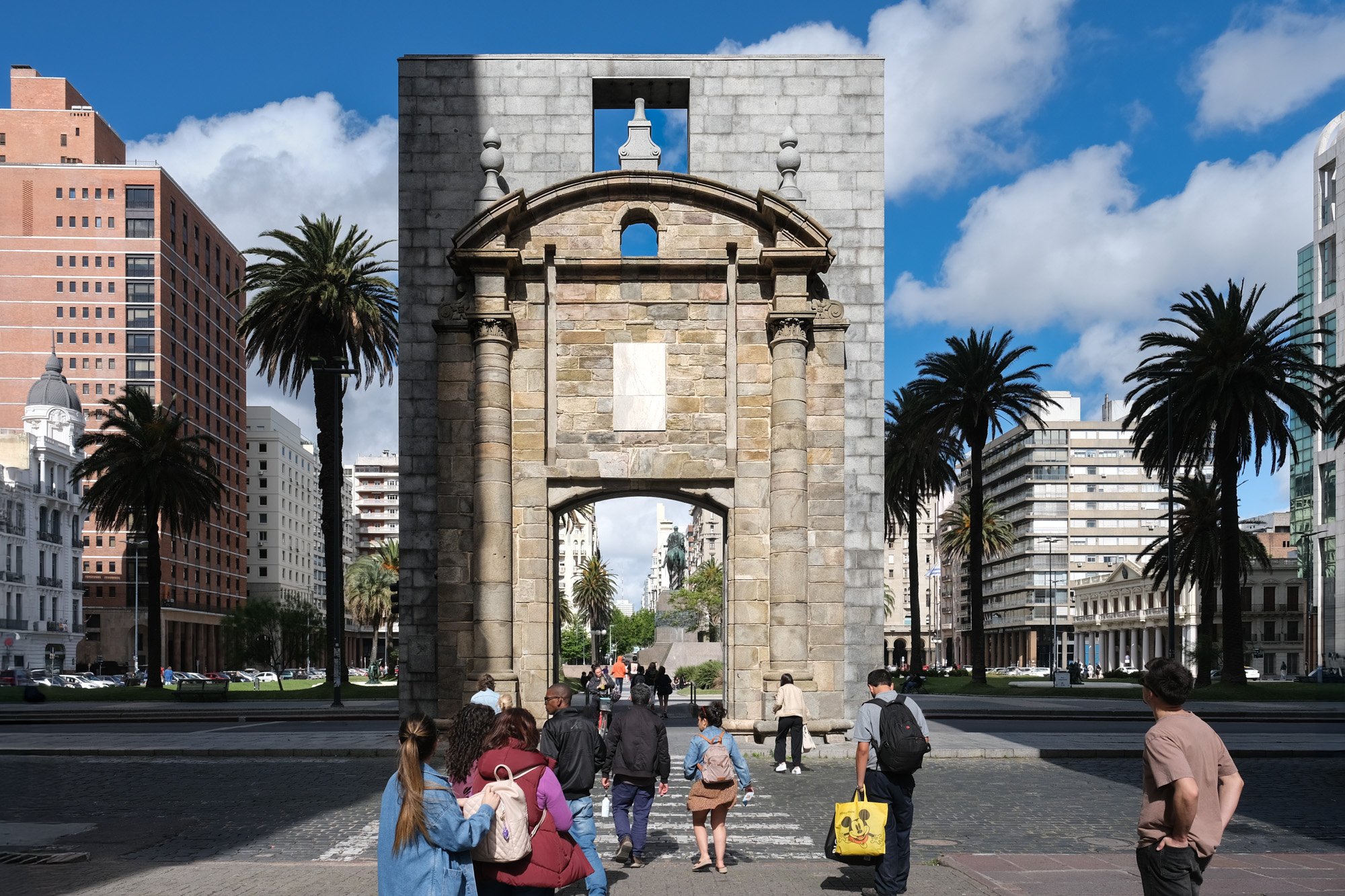
The Gateway of Ciudadela is considered the symbolic entrance to Old Montevideo.
The next morning, we woke to a city that was eerily quiet for a weekday. The streets may have been empty, with no sign of economic blight. From the apartment, it was only a two-minute walk to Plaza Independencia, the symbolic center of Montevideo. The grand plaza marks the entrance to Old Montevideo and used to be the barbican of the colonial fortress. The old city is situated on a peninsula and was once surrounded by an impressive fortification. The walls, considered a relic of colonial rule, were demolished shortly after Uruguay’s independence to allow urban expansion. The only remnant of the original wall was a reconstructed gate standing at the western end of the plaza.
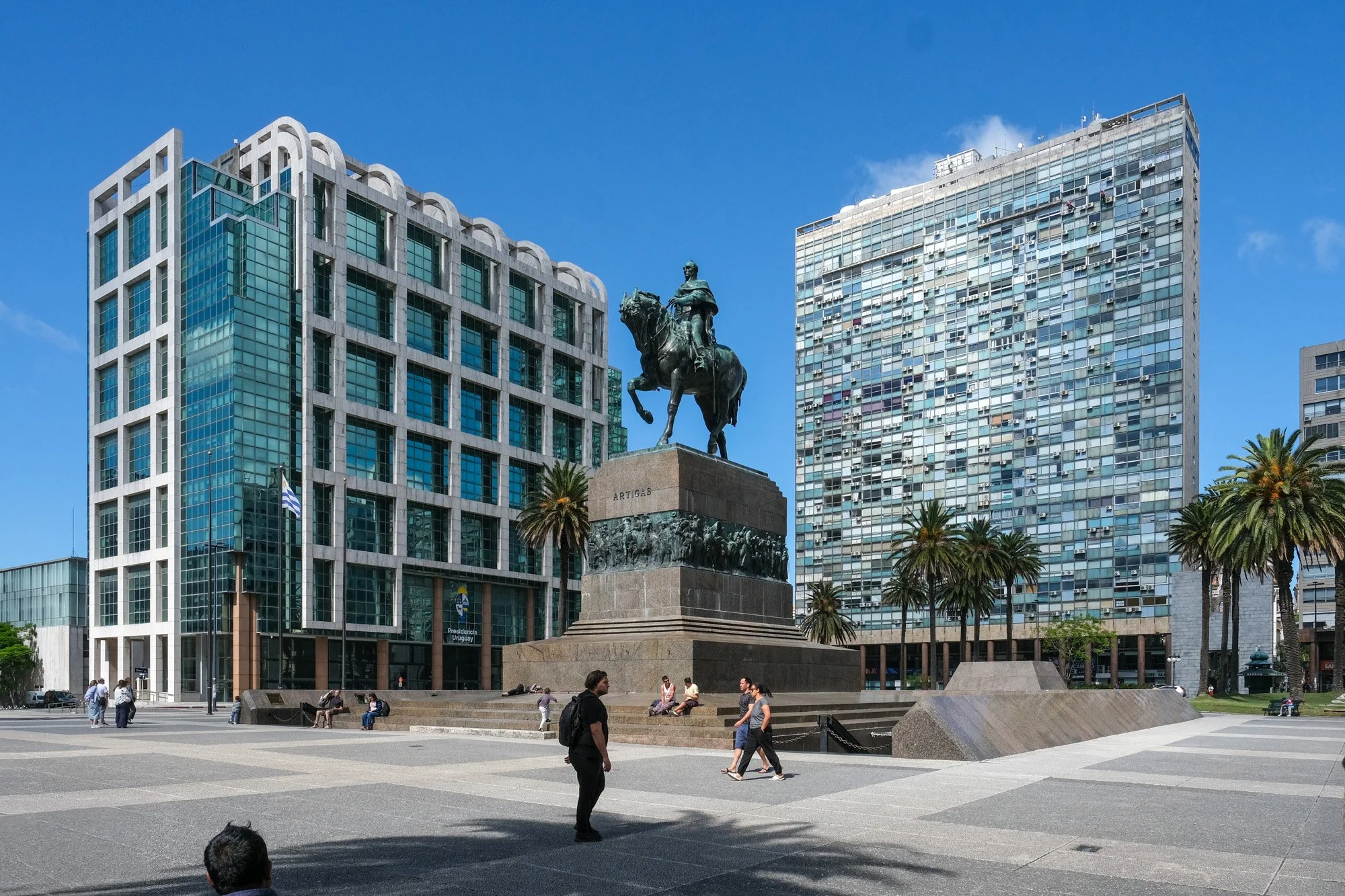
The equestrian statue of José Gervasio Artigas, the founding father of Uruguay, on Plaza Independencia.
In the middle of the plaza is a massive equestrian statue of José Gervasio Artigas, the founding father of Uruguay. A former cattle smuggler, Artigas became a brilliant general who fought for the Spanish crown and for the revolutionary government based in Buenos Aires. He eventually became disillusioned with the centralized and authoritarian leaning of Buenos Aires. A fierce advocate of democracy and federalism, Artigas fought for the succession of Banda Oriental, the territory east of the Rio de la Plata, from the United Provinces of the Río de la Plata. His forces faced military pressure from both Buenos Aires and Portuguese Brazil, which ultimately led to his exile to Paraguay. After the independence of Banda Oriental was declared in 1825, Aritgas declined to return from exile, as he regarded the new national government as too centralized and prone to authoritarianism.
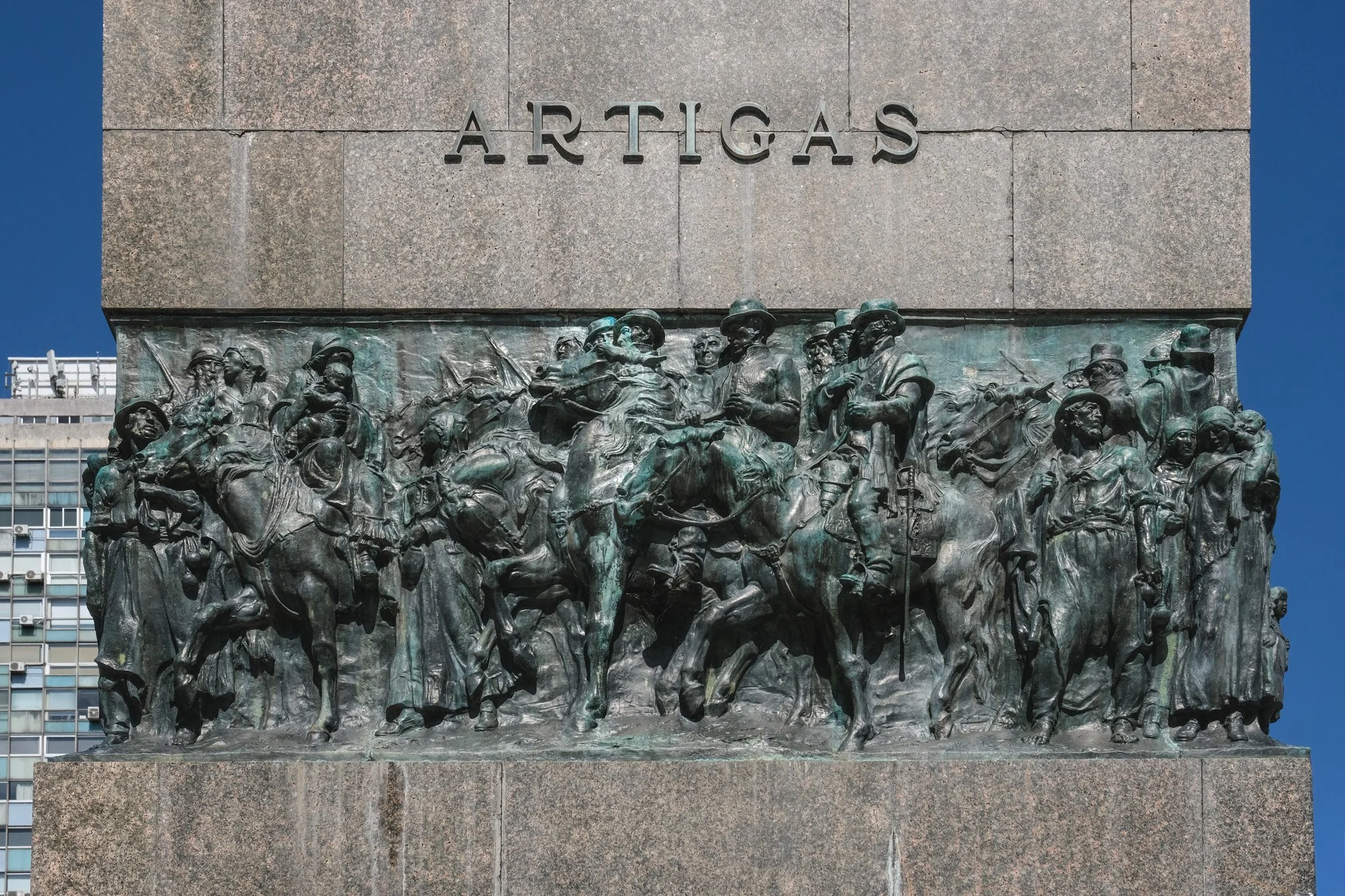
The commemorative relief of Artigas’s past battles.
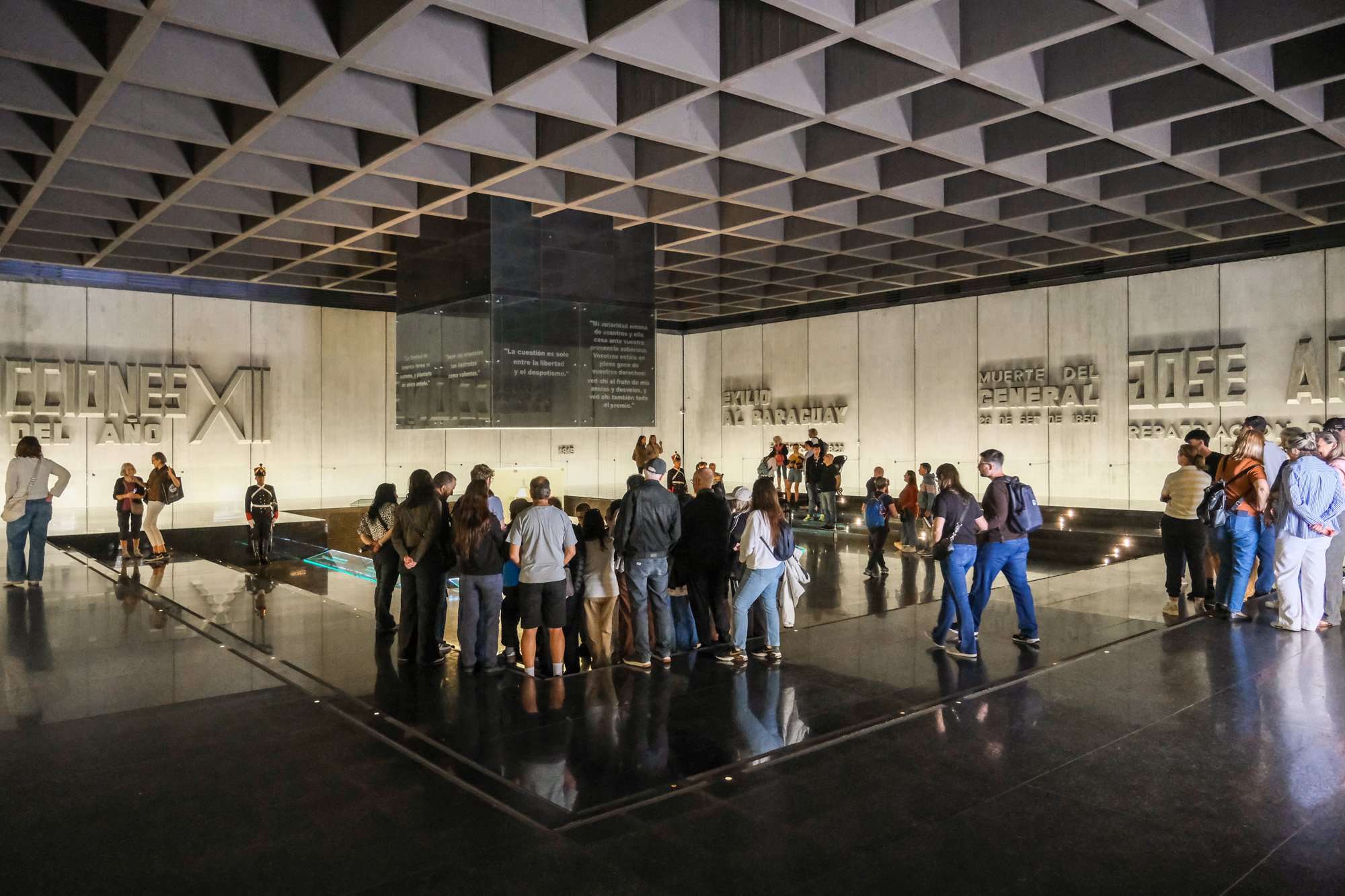
The modern mausoleum of José Gervasio Artigas.
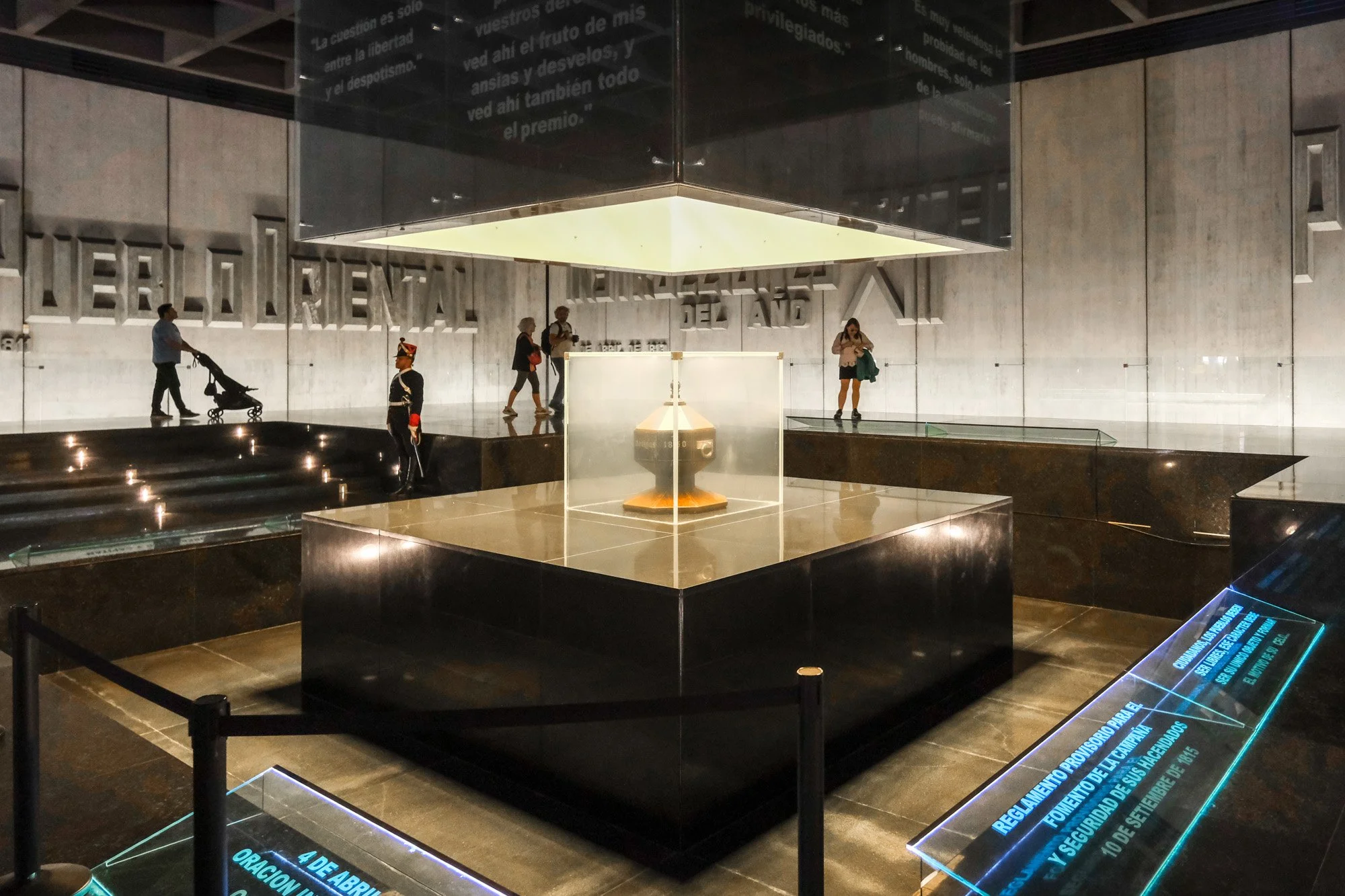
The modern mausoleum of José Gervasio Artigas.
Artigas passed away in 1850. According to the legend, he chose to get on a horseback to disappear into the wild in order to die as a gaucho. Although he never lived in an independent Uruguay or held any official post, he has been revered as a vanguard of revolution and a legendary figure above the politics of the modern republic. His ideology, Artiguism, was rooted in the 19th-century Enlightenment and the Constitution of the United States. He advocated not only strict federalism and separation of powers, but also progressive land reform and the guarantee of civil and religious liberty.
Artigas’s political idealism and agrarian spirit made him a popular figure in Uruguay and abroad. He is well regarded not only by Uruguayan nationalists but also by the indigenous people and those who are traditionally marginalized. Today, his statues can be found in numerous countries, including in the vicinity of the White House in Washington, D.C. Under the square’s massive equestrian statue of Artigas is an underground mausoleum. Artigas' body was transferred multiple times to different spots before finding a permanent resting place here in 1977. The brutalist design was a pleasant surprise. Along the walls are enormous signs of different battles and his eventual exile. Two ceremonial guards are permanently stationed beside his funerary urn.
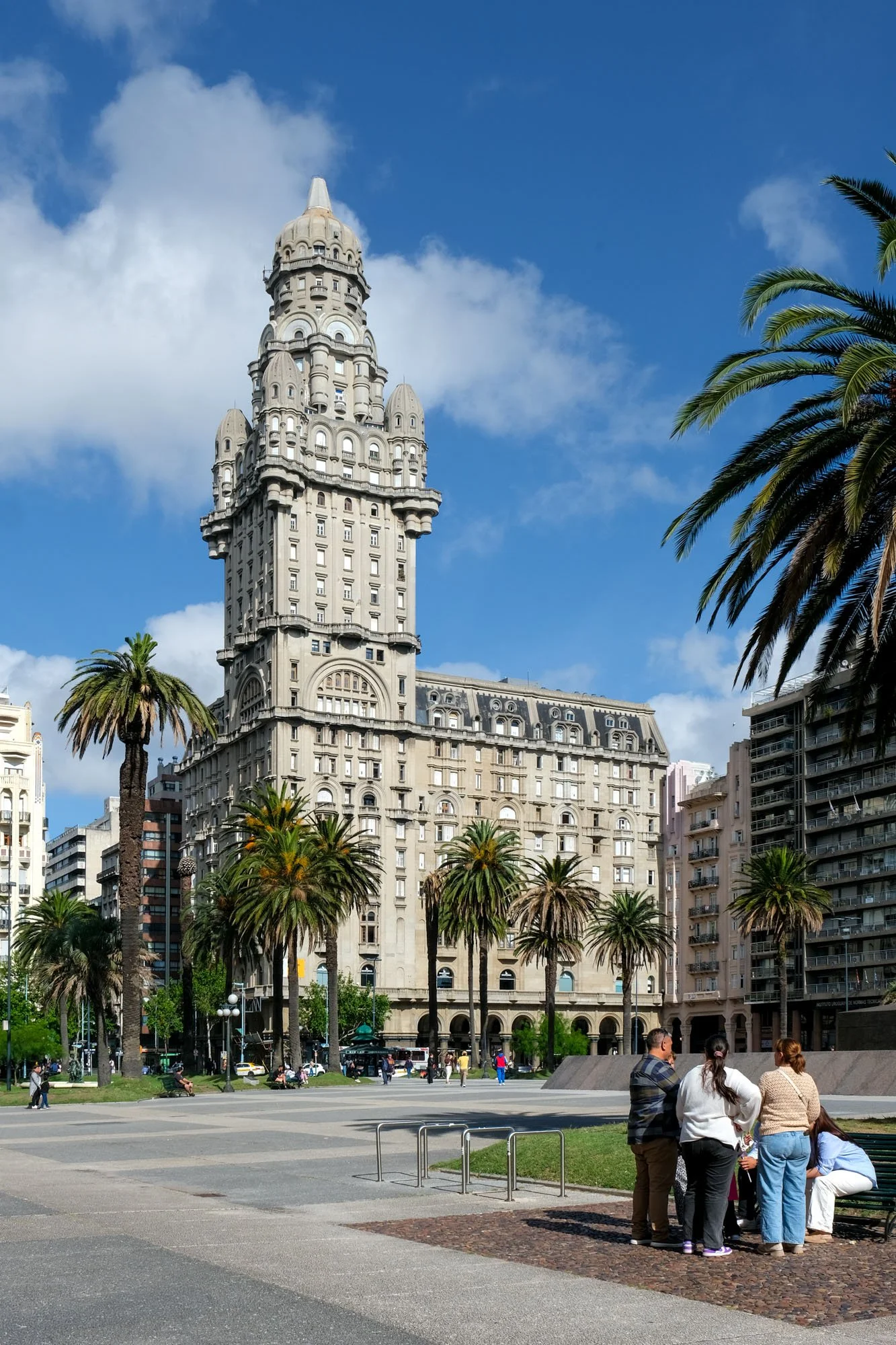
Palacio Salvo is Montevideo’s most recognizable landmark.
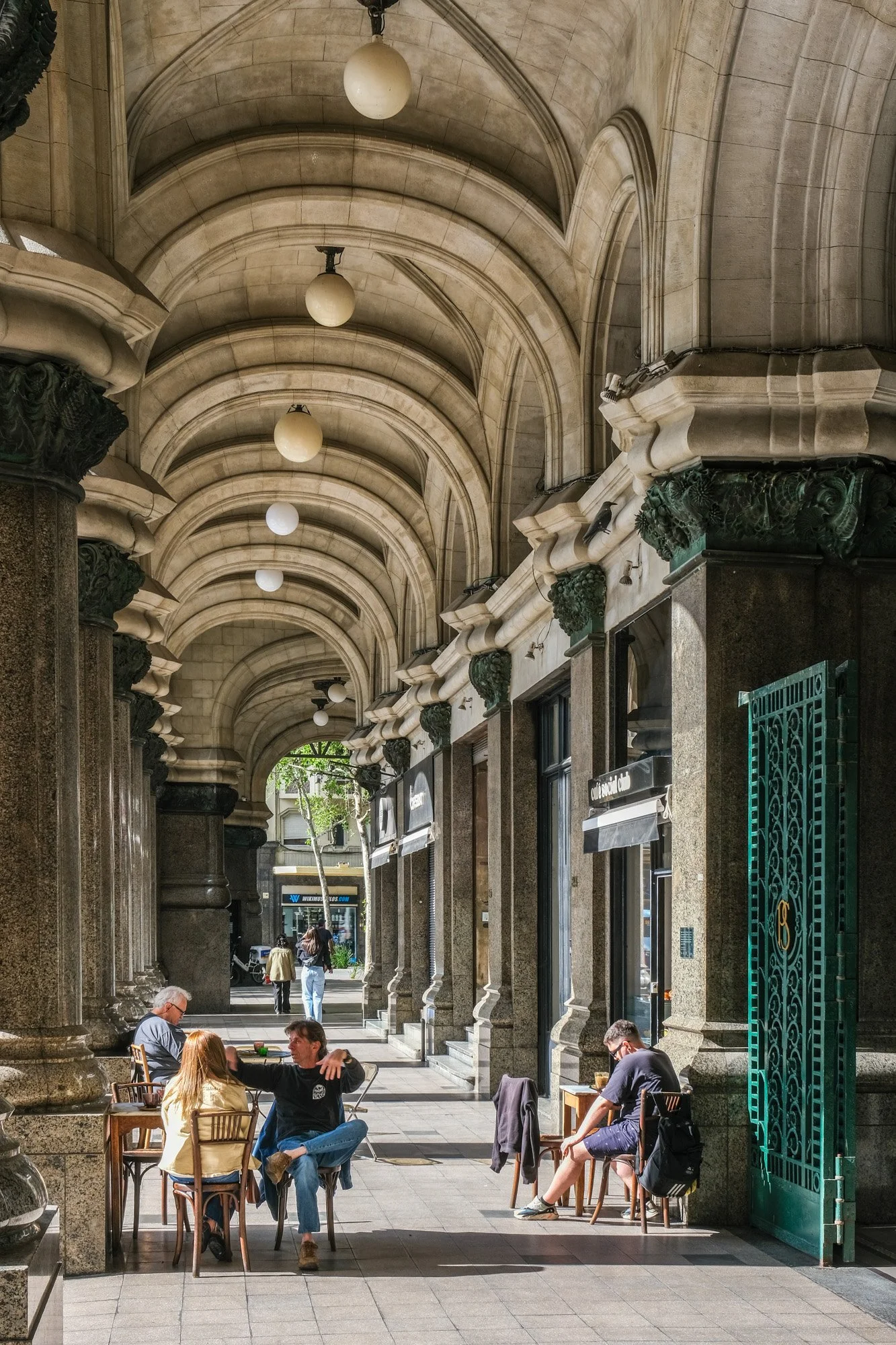
The arcade of Palacio Salvo is an architectural interpretation of hell.
Artigas takes up the prime location on the square, but the most recognizable landmark there, or perhaps in Uruguay, is the imposing Palacio Salvo on the southeastern corner. Completed just before the Great Depression, this eclectic and imposing skyscraper was a symbol of Uruguay’s boom time. For a short period, the building was the tallest in South America, surpassing its twin, Palacio Barolo, in Buenos Aires. The over-the-top decoration is supposedly inspired by Dante’s Divine Comedy. The dark and heavy vaulted base is analogous to hell; the building’s “lighthouse” at the top is the architect’s manifestation of heaven.
Because of the financial crash, Palacio Salvo never operated as a hotel as originally intended. It is now a mixed-use property with apartments, offices, and a small observation deck at the top of the tower. We unfortunately did not get a chance to visit the inside, but we did make our daily morning coffee stop at a little cafe in the building. From what I heard, public opinion is divided about this charismatic landmark. The building’s eccentric style and chronic underutilization made it a blight on the city’s landscape in the eyes of some Uruguayans.
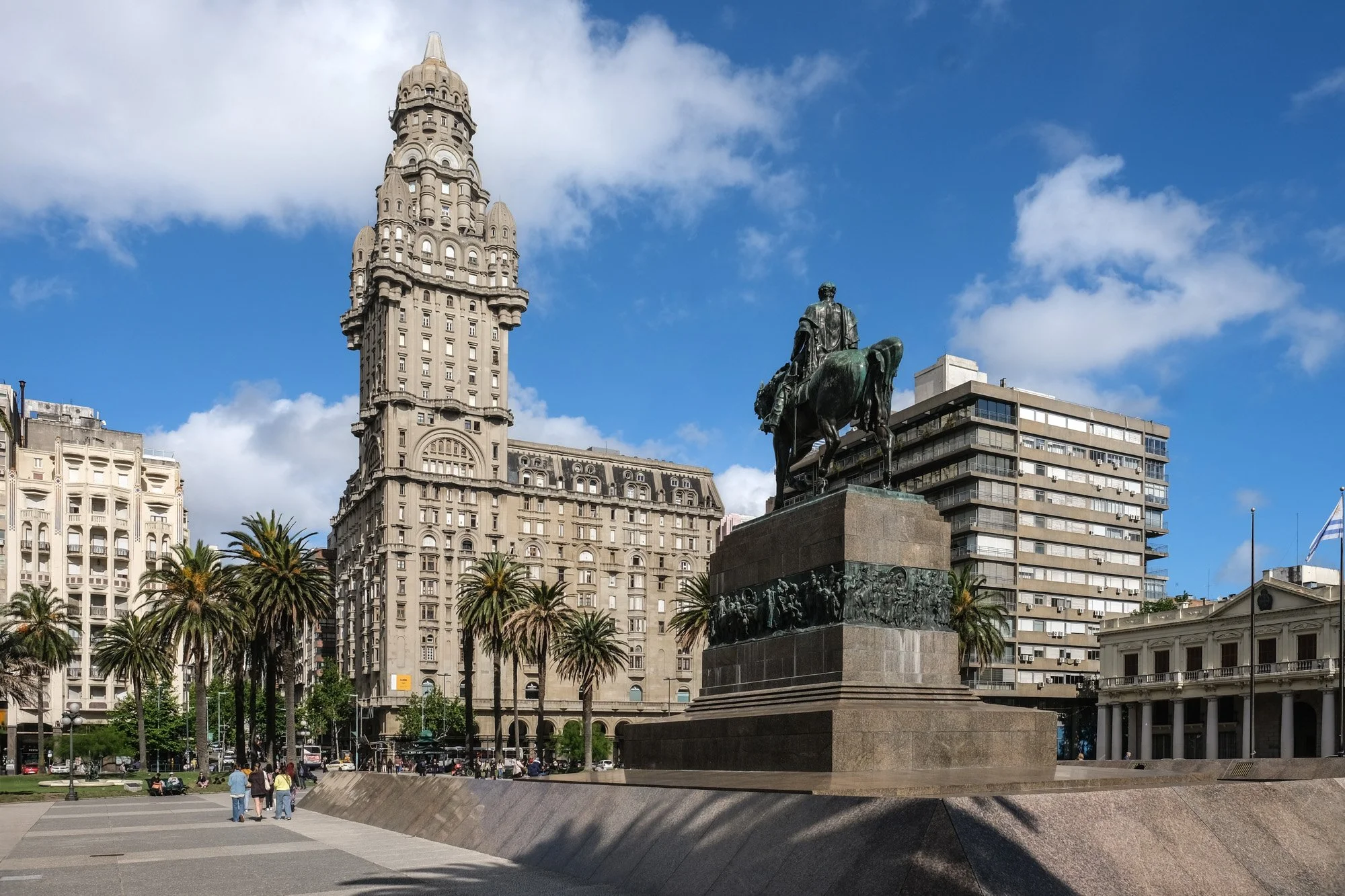
Plaza Independencia is considered the entrance to Ciudad Vieja.
Palacio Salvo is the most recognizable landmark in Montevideo.
Palacio Salvo is the most recognizable landmark in Montevideo.
On the north side of the square are two of the country’s most important, but unassuming, buildings. The two-story neoclassical building is Palacio Estevez, the ceremonial seat of Uruguay's executive branch. While the executive office was moved to the adjoining modern office building next door, the palace remains the main ceremonial space for receiving foreign dignitaries and the site of inauguration for new presidents. Despite housing the country’s presidency, the shiny Executive Tower looks just like any other office tower. One would not be able to tell if it were not for a giant decal applied above the entrance. There were no visible security barricades outside, and we were able to just wander into the lobby to use their ATM without any security checks. That really speaks to Uruguay’s political civility and openness.
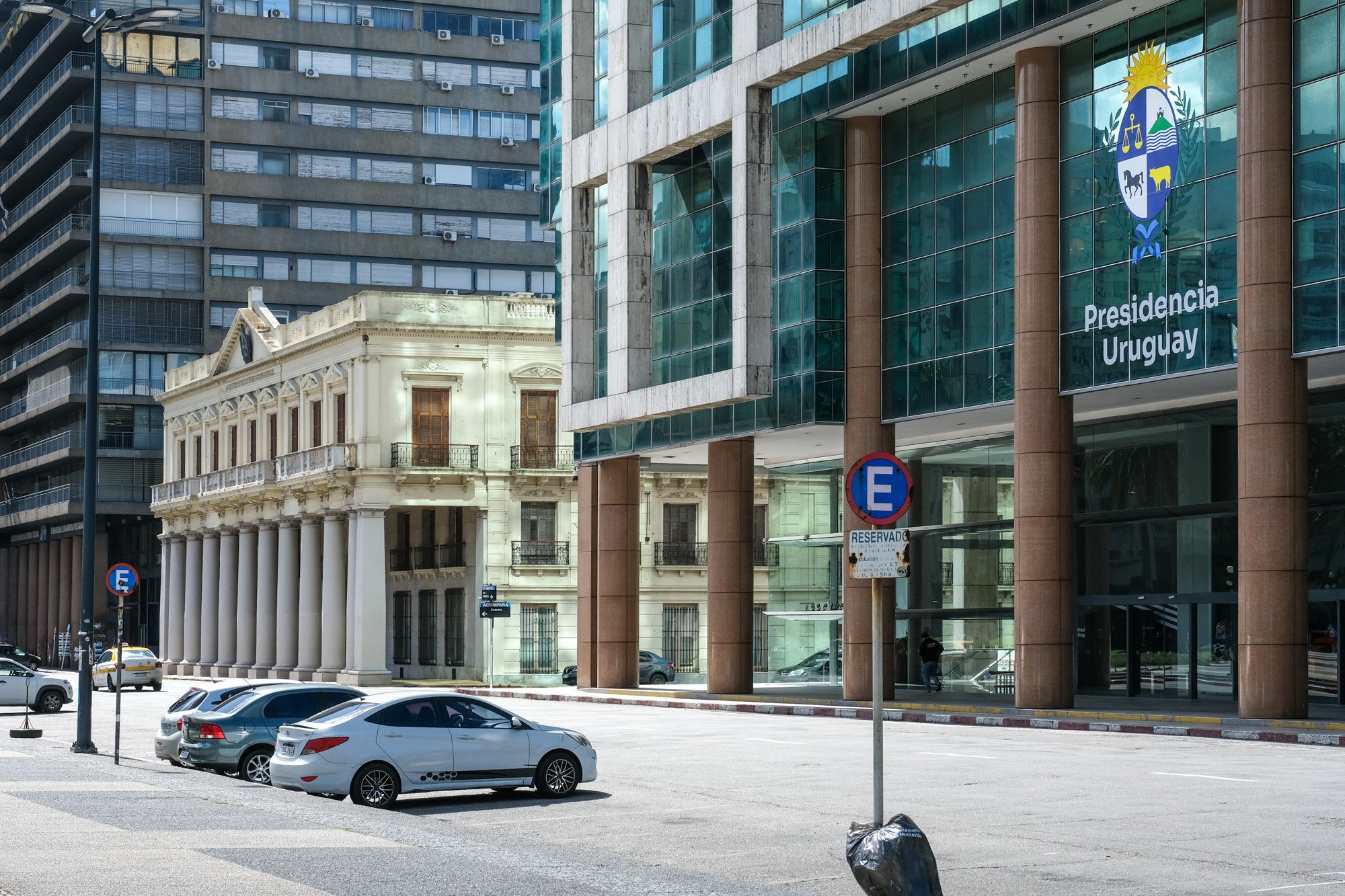
Palacio Estevez and the Executive Tower.
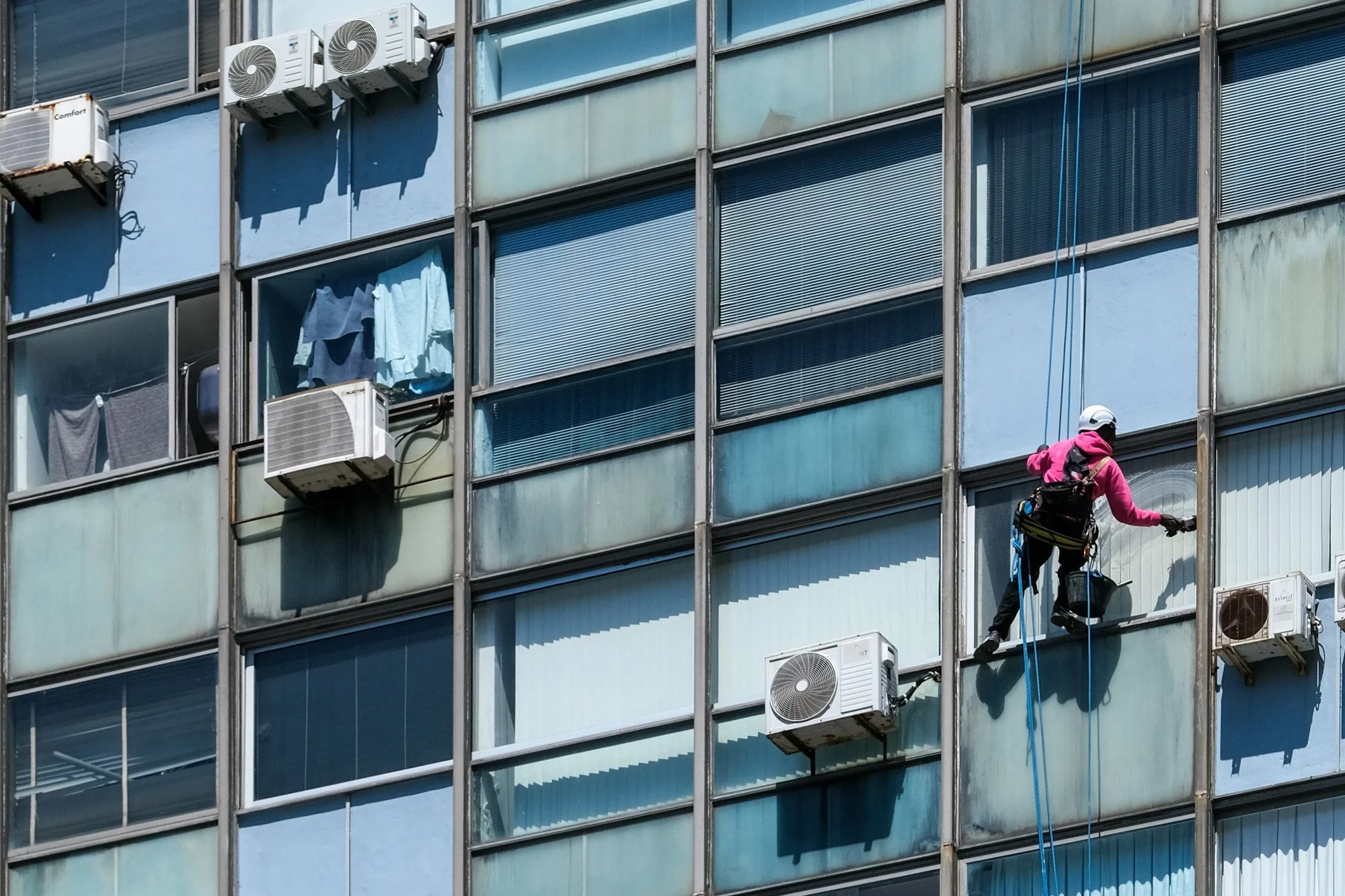
The window cleaner on Edificio Ciudadela.
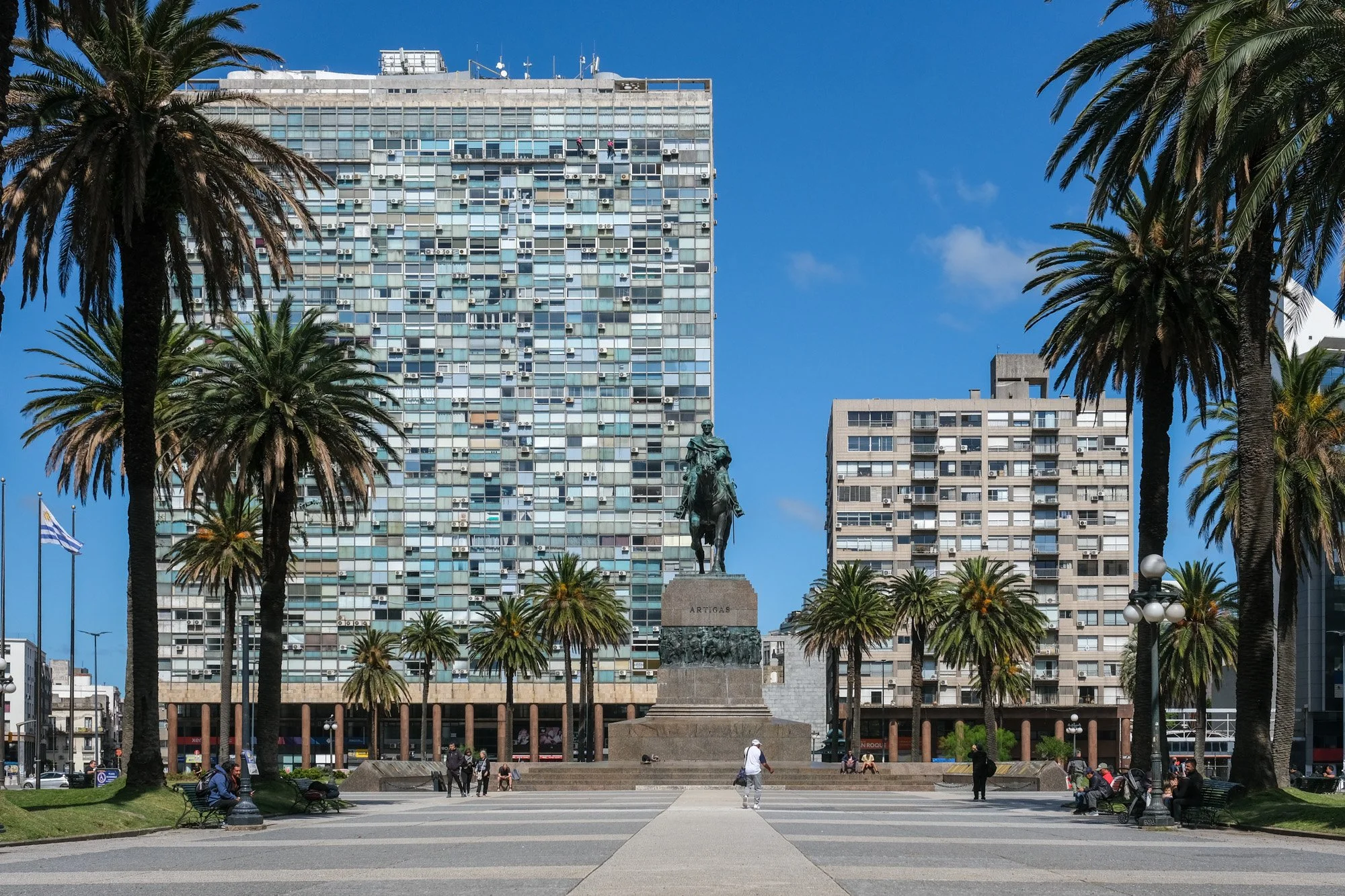
The modernist apartment blocks had become a blight on the urban landscape.
Plaza Independencia may be Montevideo’s grandest public space, but it is certainly not the most beautiful. On the western face of the plaza are two ugly and poorly maintained apartment blocks. They may be a blight on the landscape today, but they were once the epitome of modernism, full of optimism. Designed by noted architect Raúl A. Sichero Bouret, one of the towers, Edificio Ciudadela, employed innovative building typologies, such as insulating windows and Le Corbusier's ground-level pilotis. Sadly, the decades of neglect and proliferation of window air conditioners turned this modernist monument into a national embarrassment.
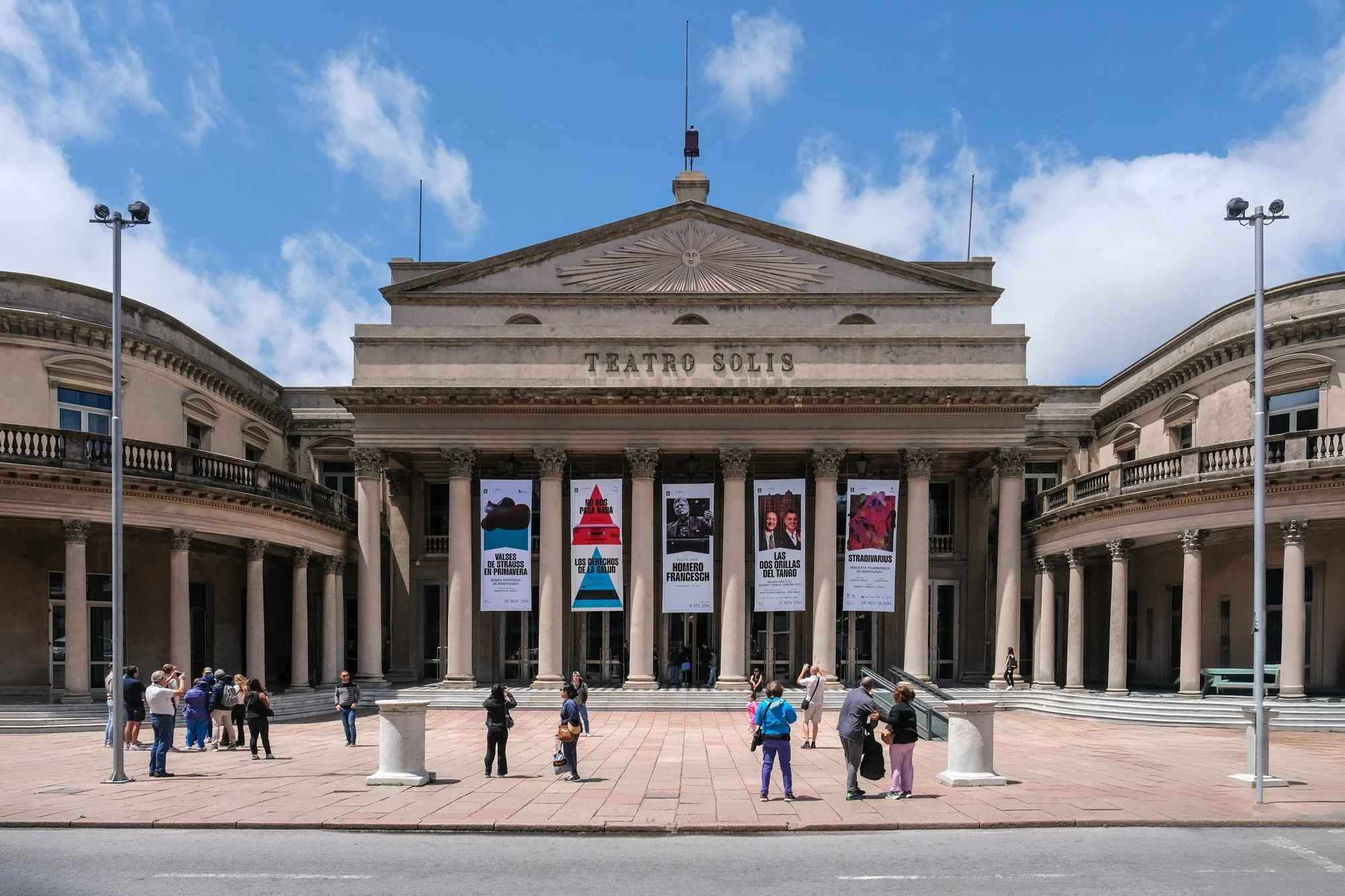
Teatro Solís is modeled after the a few famous opera houses in Italy.
Before heading off into Ciudad Vieja, our final stop at the square is Teatro Solís, the country’s premier performance art venue. Although the building’s facade bears a stylized Sol de Mayo, the theater is named after Juan Díaz de Solís, the first European to land in modern-day Uruguay. According to our guide, the theater’s name, architect, and style all reflect Uruguay’s European heritage and orientation. One of the darkest chapters of this modern utopia was the ethnic cleansing of the indigenous Charruas people. Much like neighboring Argentina, most Uruguayans traced their ancestry to Spain, Italy, Germany, or France.
As the national theater, there were nearly nightly performances. Lucky for us, our visit coincided with a one-night event featuring two of the greatest Tango singers, Uruguay’s Nelson Pino and Argentina’s Ricardo “Chiqui” Pereyra. The sold-out performance was a wonderful introduction to the Uruguayan culture and a chance to take a peek at the theater’s splendid interior. The design is reminiscent of the grand opera houses in Milan and Genoa. For a few hours, I almost forgot that we were in South America.
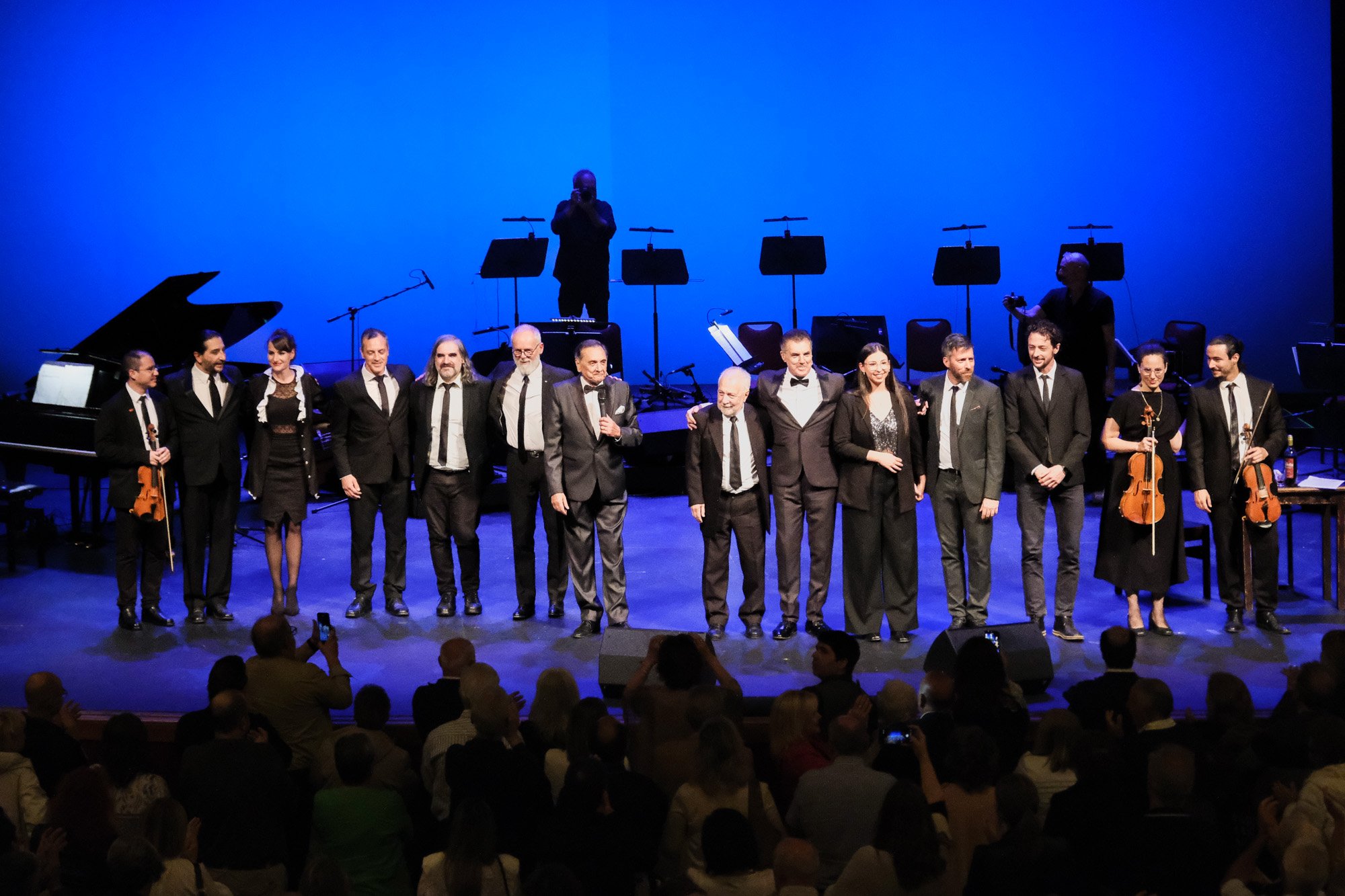
The tango performance at Teatro Solís.
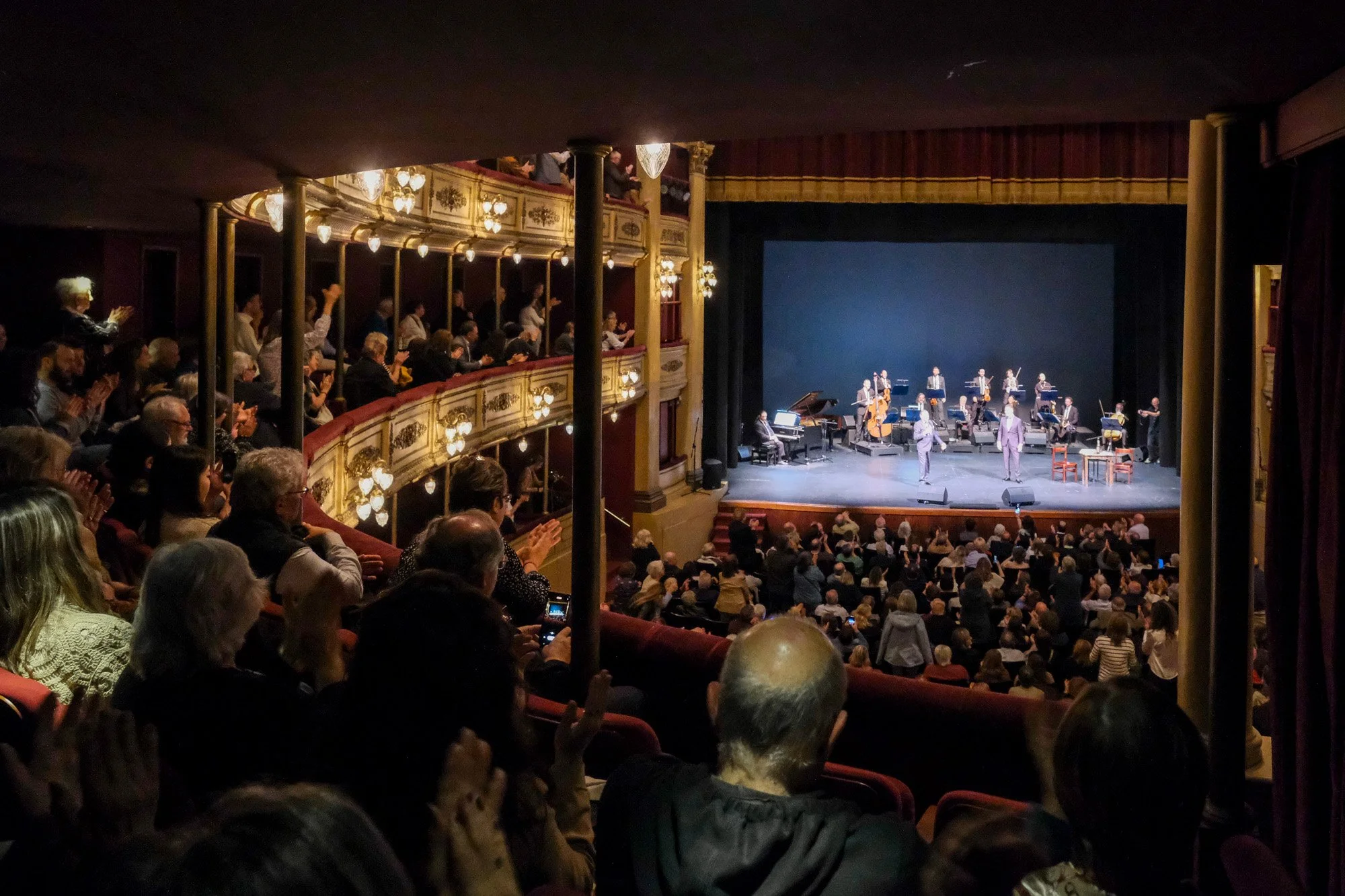
The tango performance at Teatro Solís.
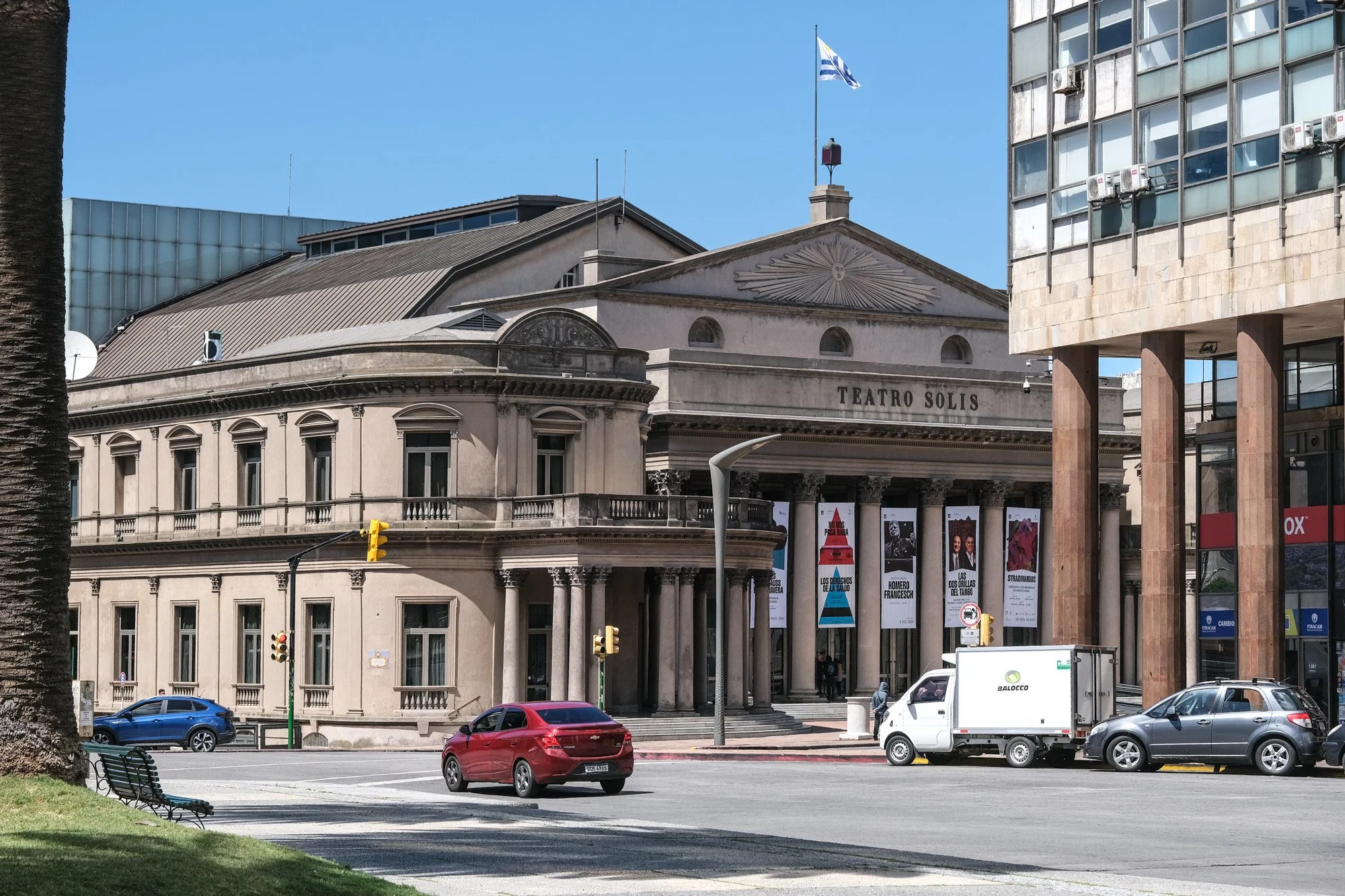
Teatro Solís is the national theater of Uruguay.
A Spanish colonial city, Ciudad Vieja was laid out in a grid with a couple of public squares. Aside from a sprinkle of modern buildings, the area retains quite an impressive collection of neoclassical and Art Nouveau architecture. The main street, Peatonal Saringandí, is pedestrianized and is perfect for strolling. The ambiance was calm, and it certainly lacked the hustle and bustle of a metropolis. Other than a McDonald’s and a Starbucks, there were surprisingly few international chain businesses in this touristy area. That said, Montevideo (and Uruguay) hardly suffers from over-tourism.
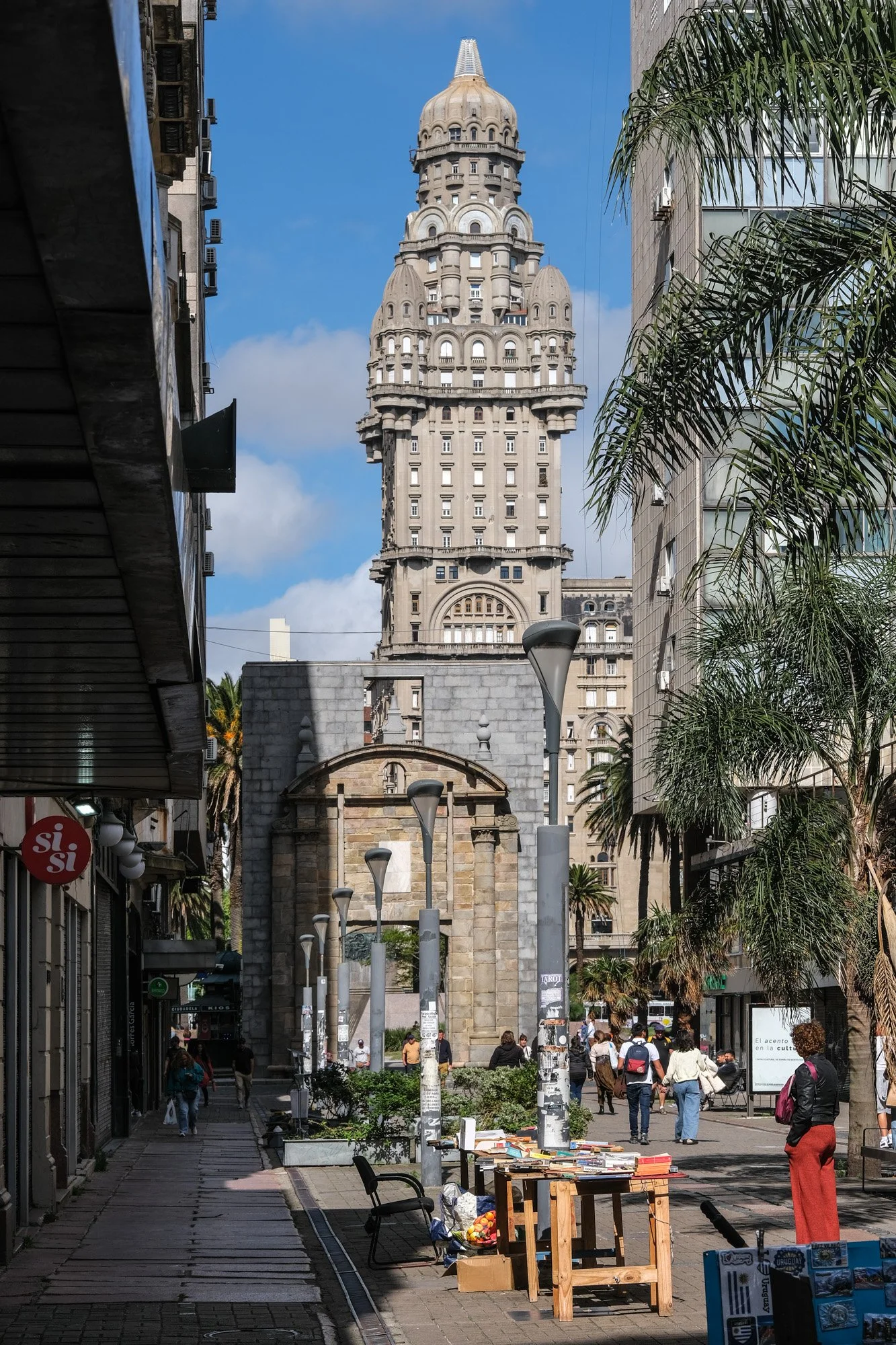
Peatonal Sarandí.
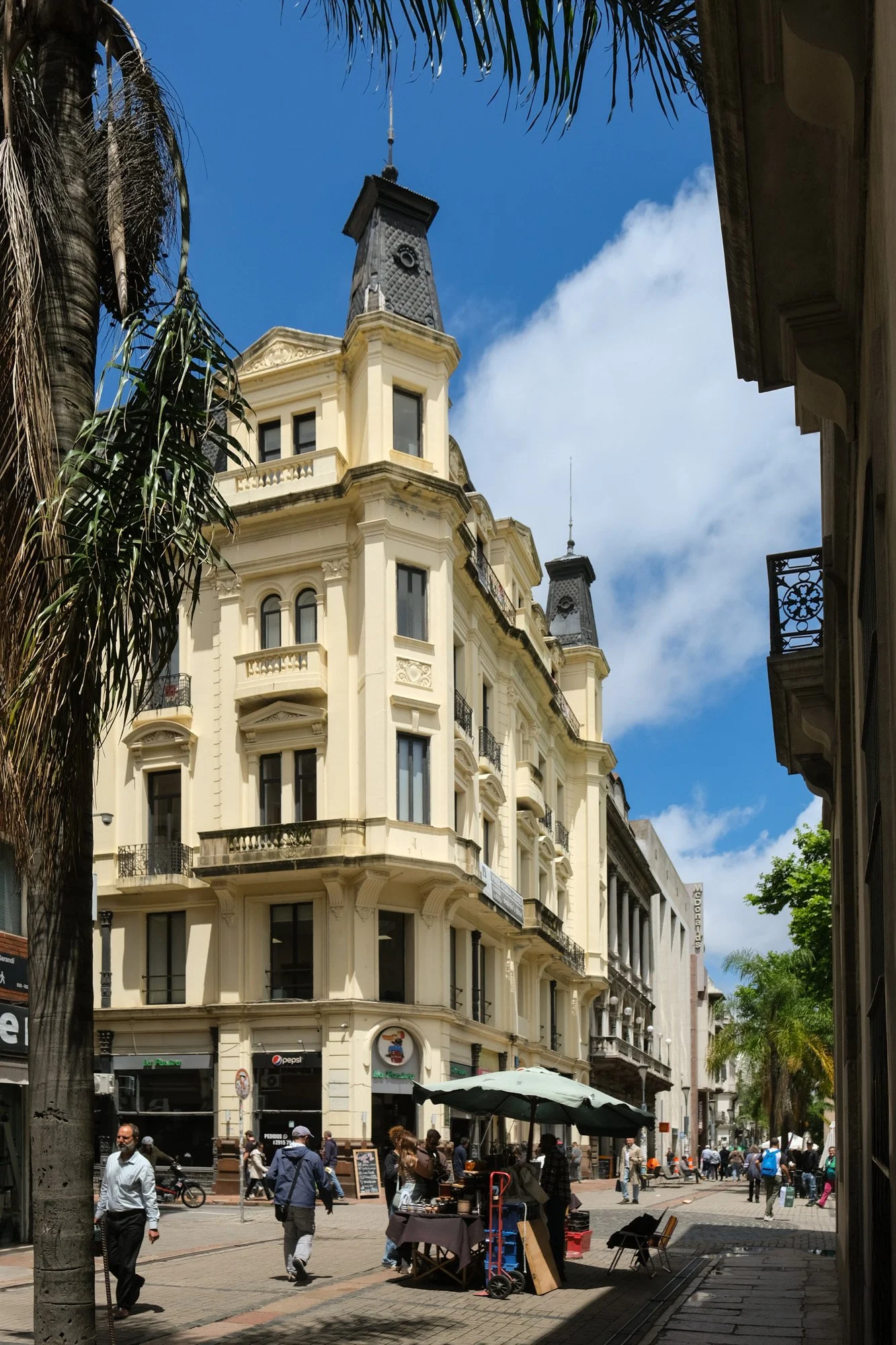
Peatonal Sarandí
With its quaint cafes and gentle ambiance, I was surprised that Ciudad Vieja is not more of a draw than the modern section of the city. It actually took me a while to discover why there were so few hotels in Ciudad Vieja. Since so many large businesses have relocated outside the old city, the neighborhood is surprisingly residential, and stores seem to close around mid-afternoon. I can’t help but wonder how the neighborhood could change with the arrival of a single five-star hotel and government promotion. On the other hand, I am not sure the locals would be pleased with gentrification.
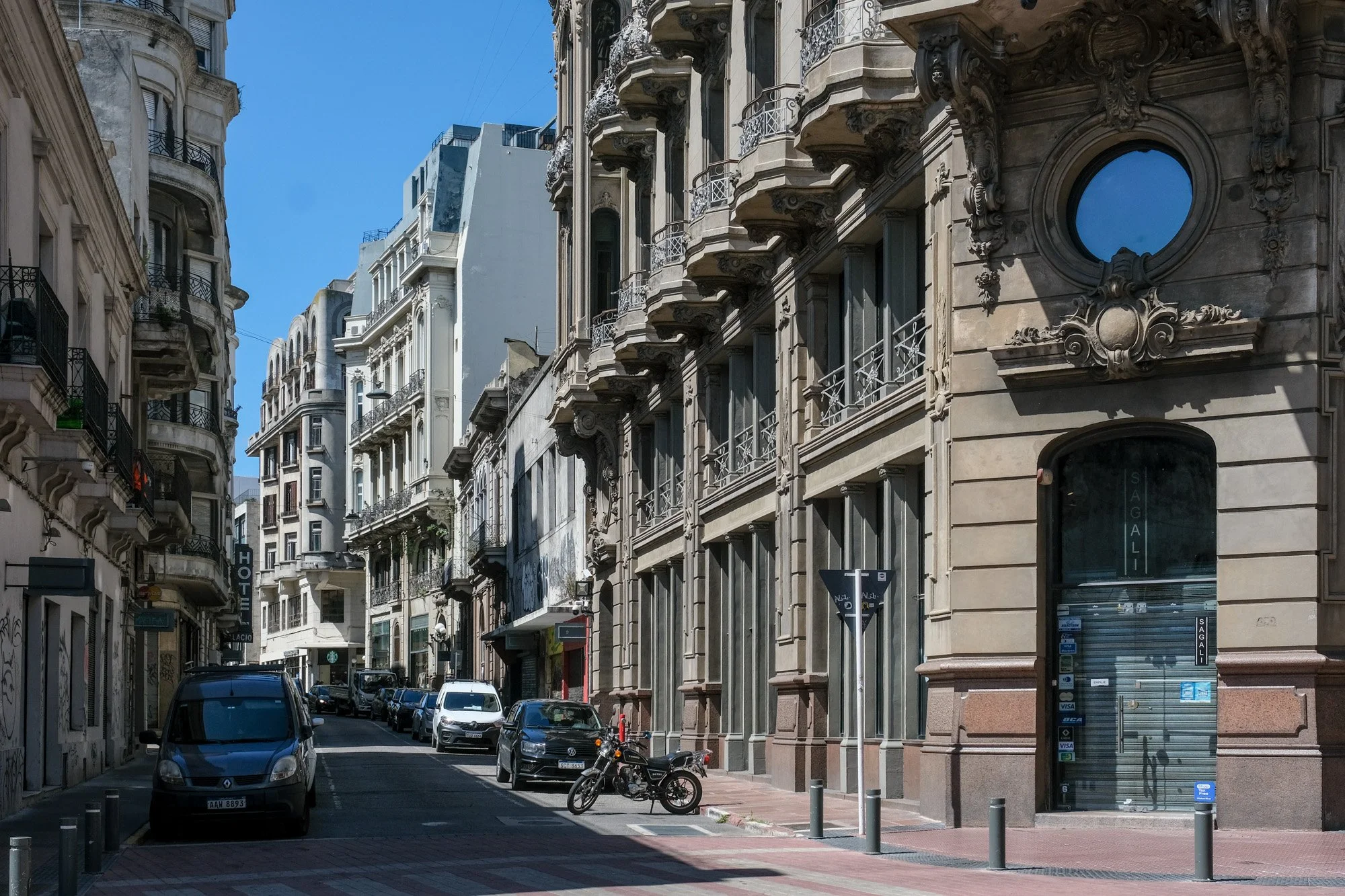
The architectural elegance of Ciudad Viejo.
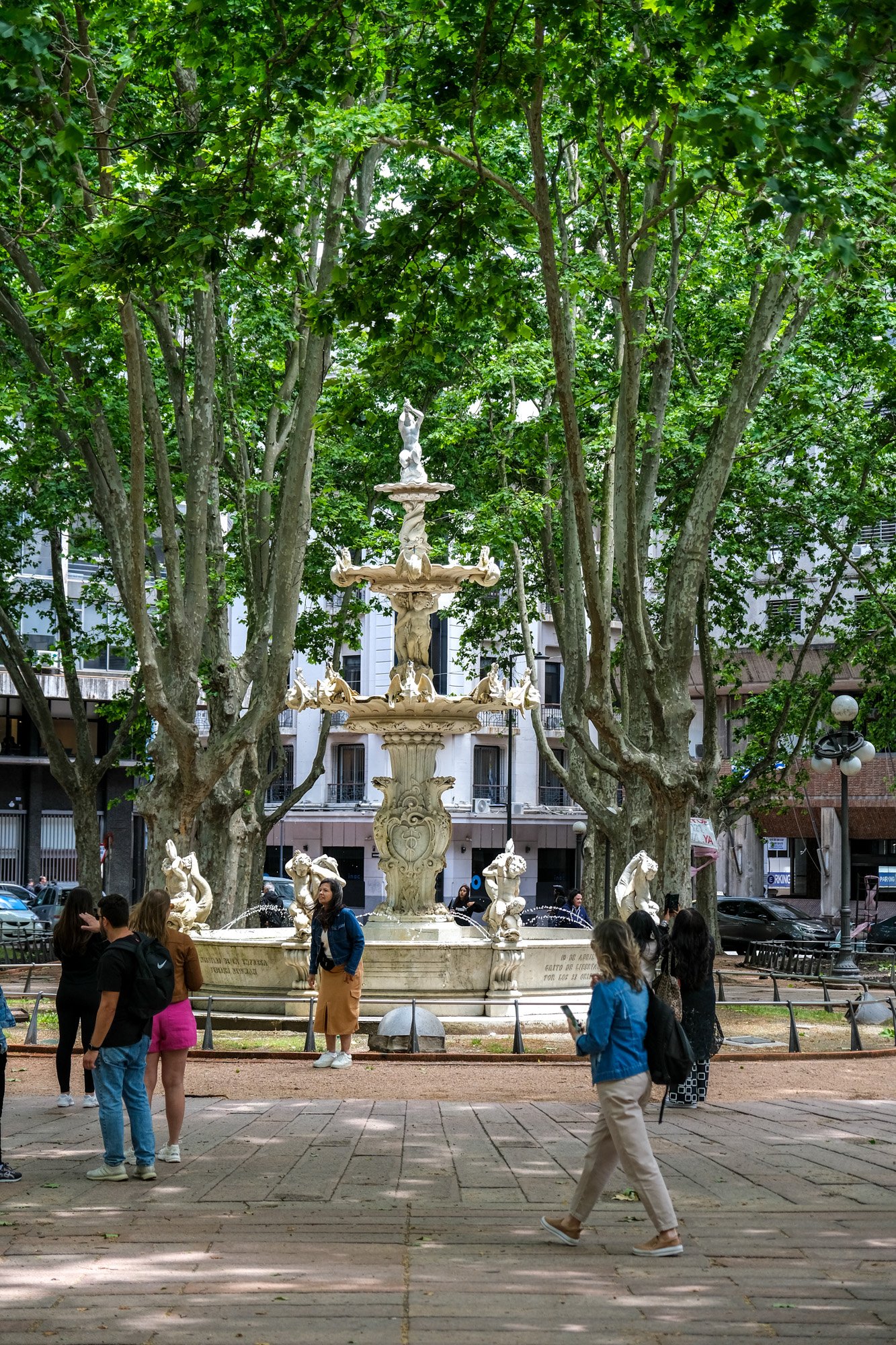
According to our tour guide, there is a typo on the historic fountain.
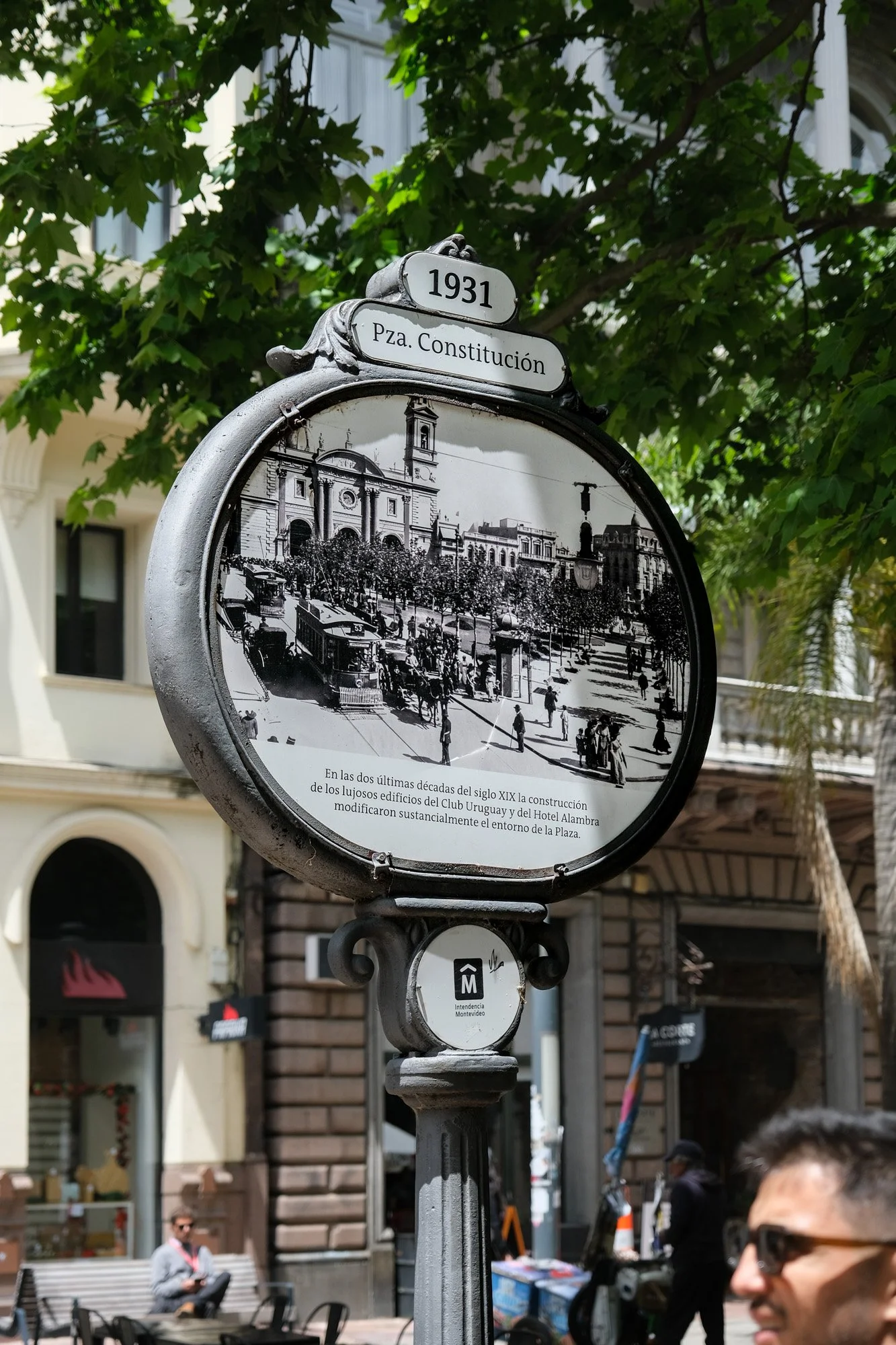
Plaza de la Constitución.
A few blocks from the Plaza Independencia is the heart of Ciudad Vieja: Plaza de la Constitución. It was the only square during the colonial period and is surrounded by the most important colonial buildings. On the eastern edge is Montevideo Cabildo, the old city hall. The heavily rusticated building reflects its early colonial heritage; it was probably among the oldest in the city and witnessed many of Uruguay’s most famous events. The most significant among them is the 1830 signing of Uruguay’s first constitution, which was modeled after the American Constitution.
Throughout the 19th and early 20th centuries, the City Hall was the setting for many decisive political, judicial, and social events. On July 18, 1830, Uruguay’s first Constitution was signed in one of its chambers. At different times, the building served as the seat of the national legislature and as a prison, the Ministry of Foreign Affairs, and a history museum since 1958. The museum contains a small collection of historical artifacts; the most popular among the visitors is an enormous oil painting of Ciudad Vieja in the colonial era. It gives visitors a bird’s-eye view of colonial Montevideo.
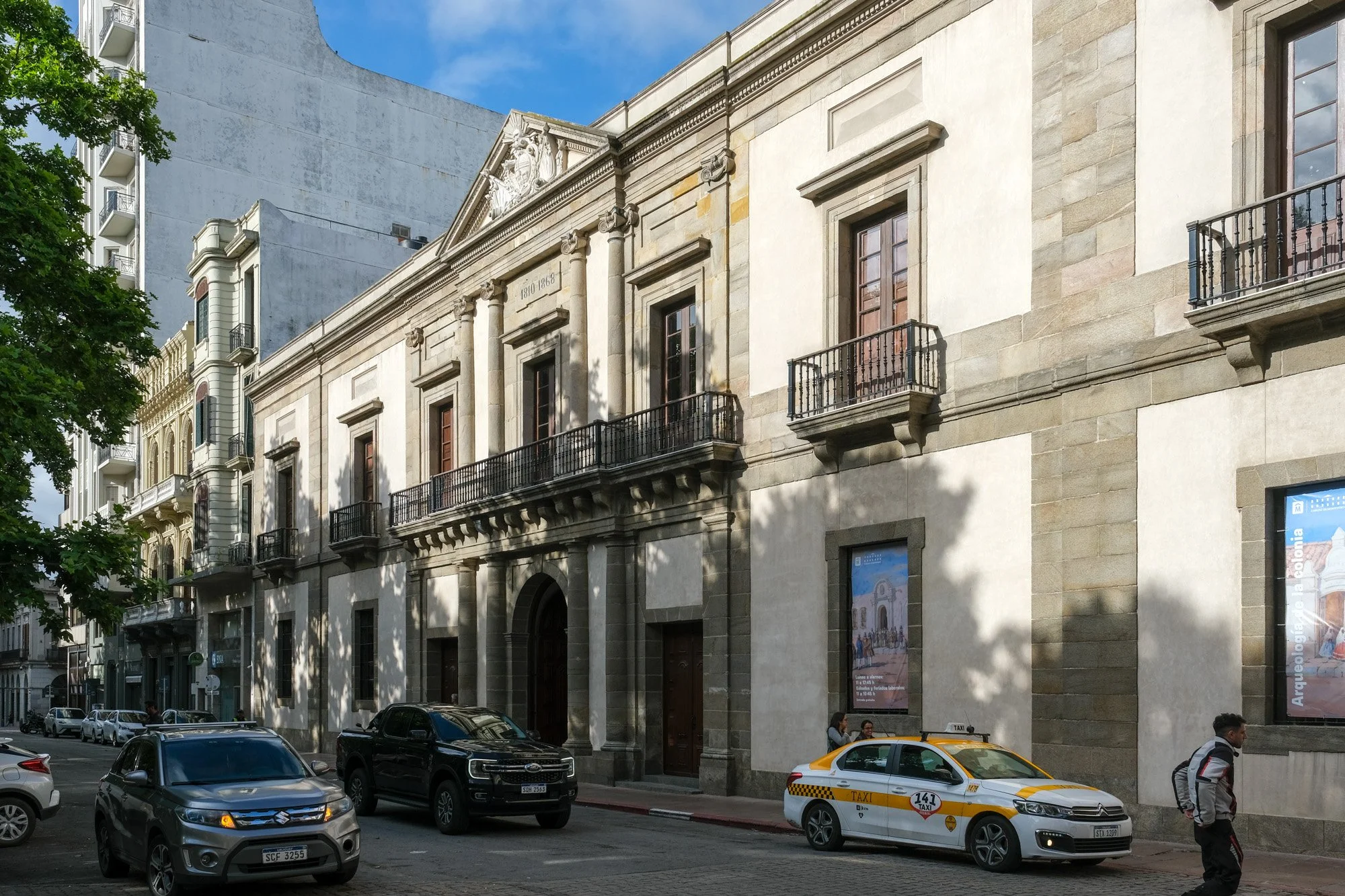
Montevideo Cabildo is one of the oldest buildings in Montevideo.
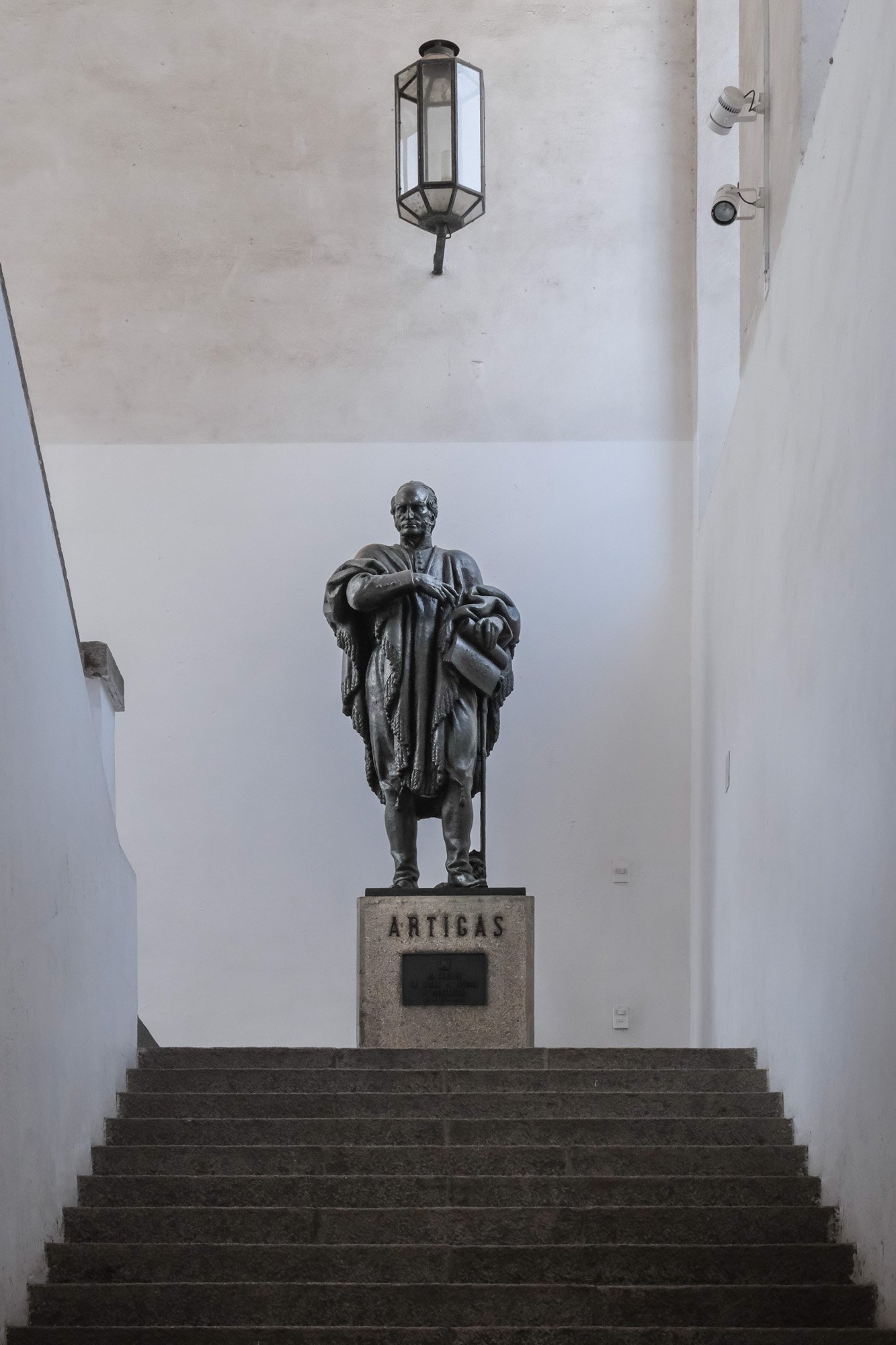
You’ve got to have a statue of General Artigas in the history museum.
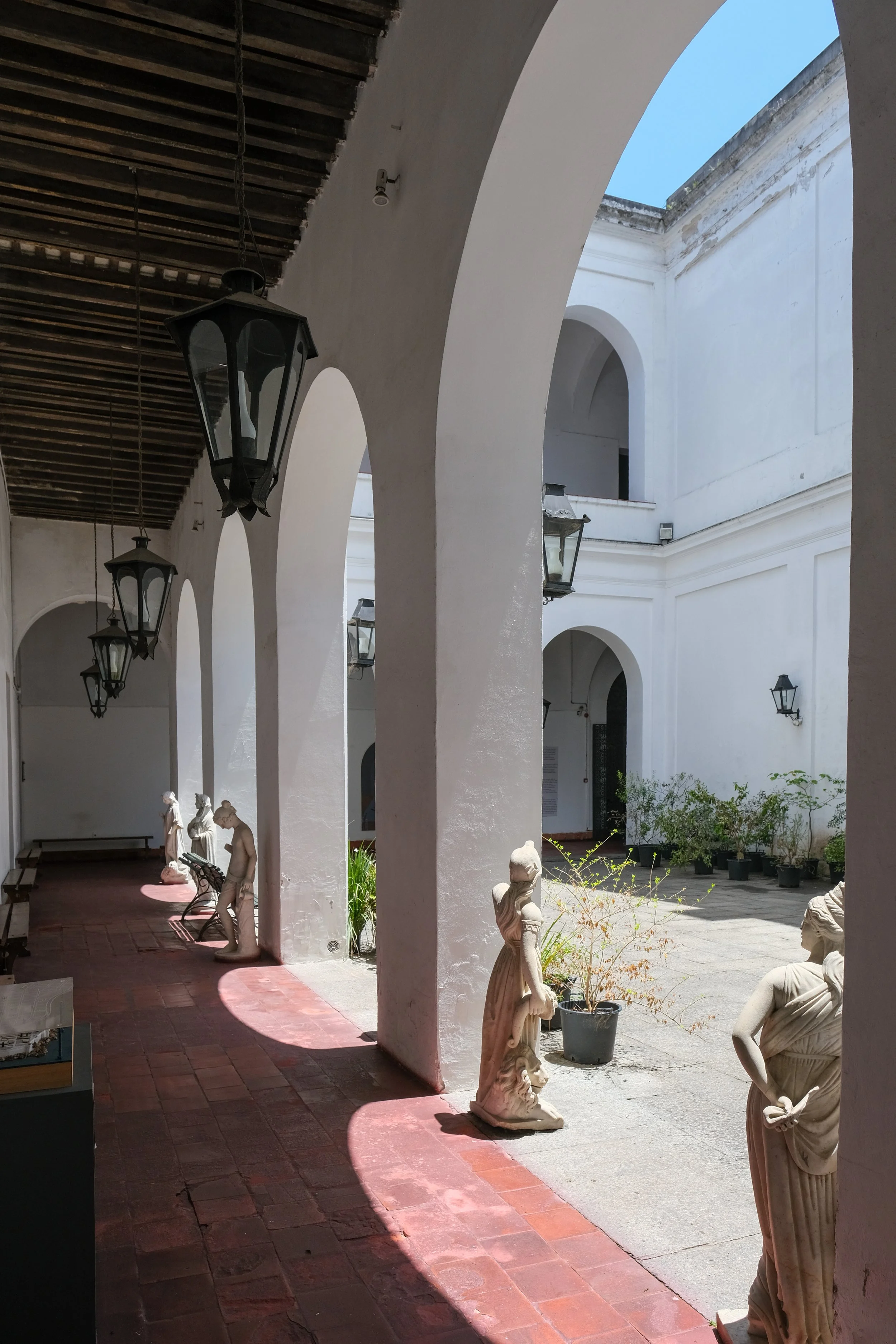
Like most public museums in Uruguay, the admission to Montevideo Cabildo is free.
Across the square from the museum is Montevideo Metropolitan Cathedral. Our guide pointed out that the church is noticeably plain in embellishment both inside and out. By the time Montevideo’s building was in full swing, Spain’s colonial empire was already in decline and had far fewer resources for evangelization. It may also be that the indigenous population was already decimated by then; hence, the Catholic church played a much less potent role politically. This may explain why modern Uruguay consistently ranks as the least religious nation in Latin America. The country’s constitution even goes further than the United States’ by proclaiming that religion shall have no involvement in politics.
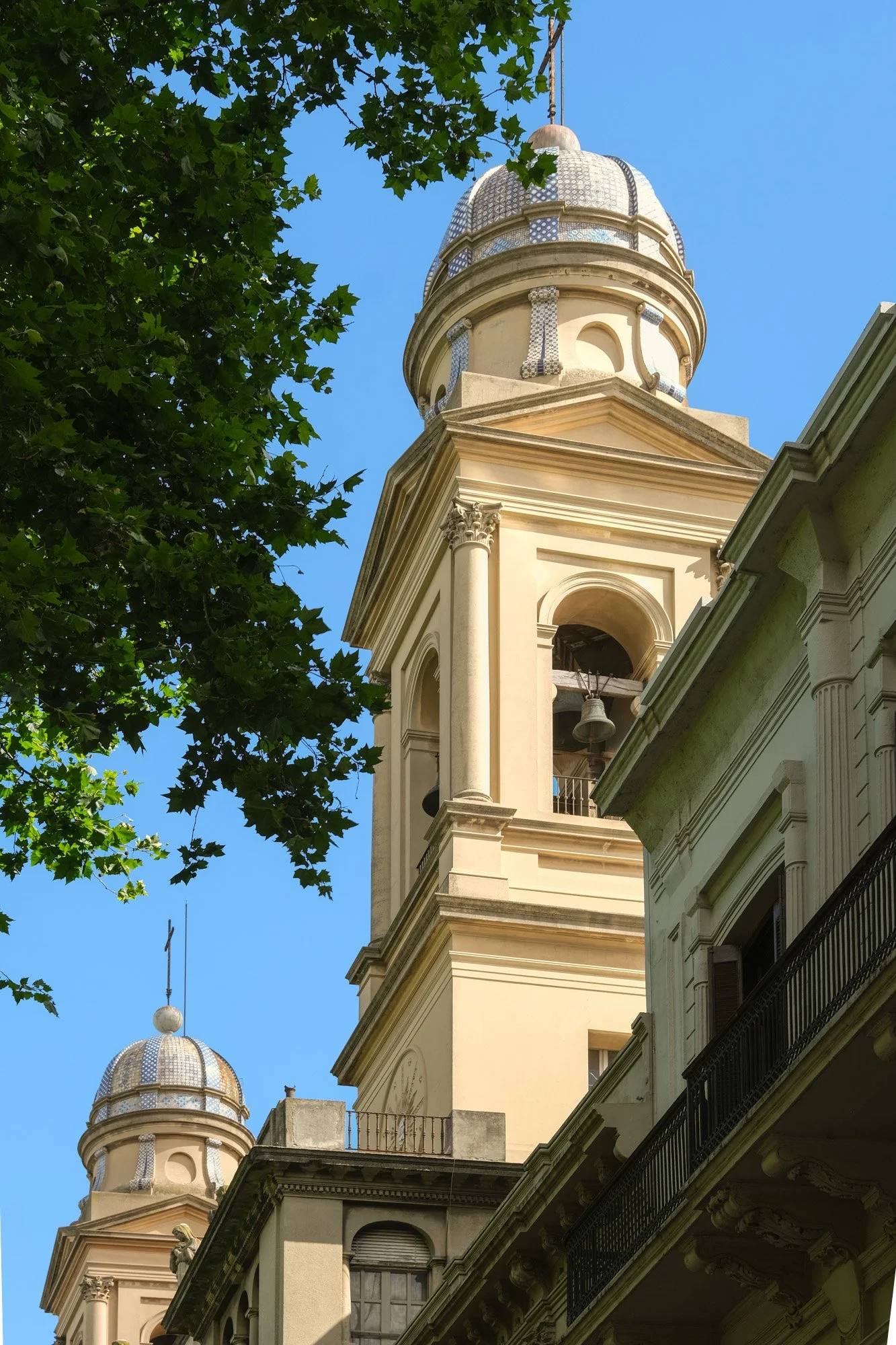
Montevideo Metropolitan Cathedral is surprisingly plain in decorations.
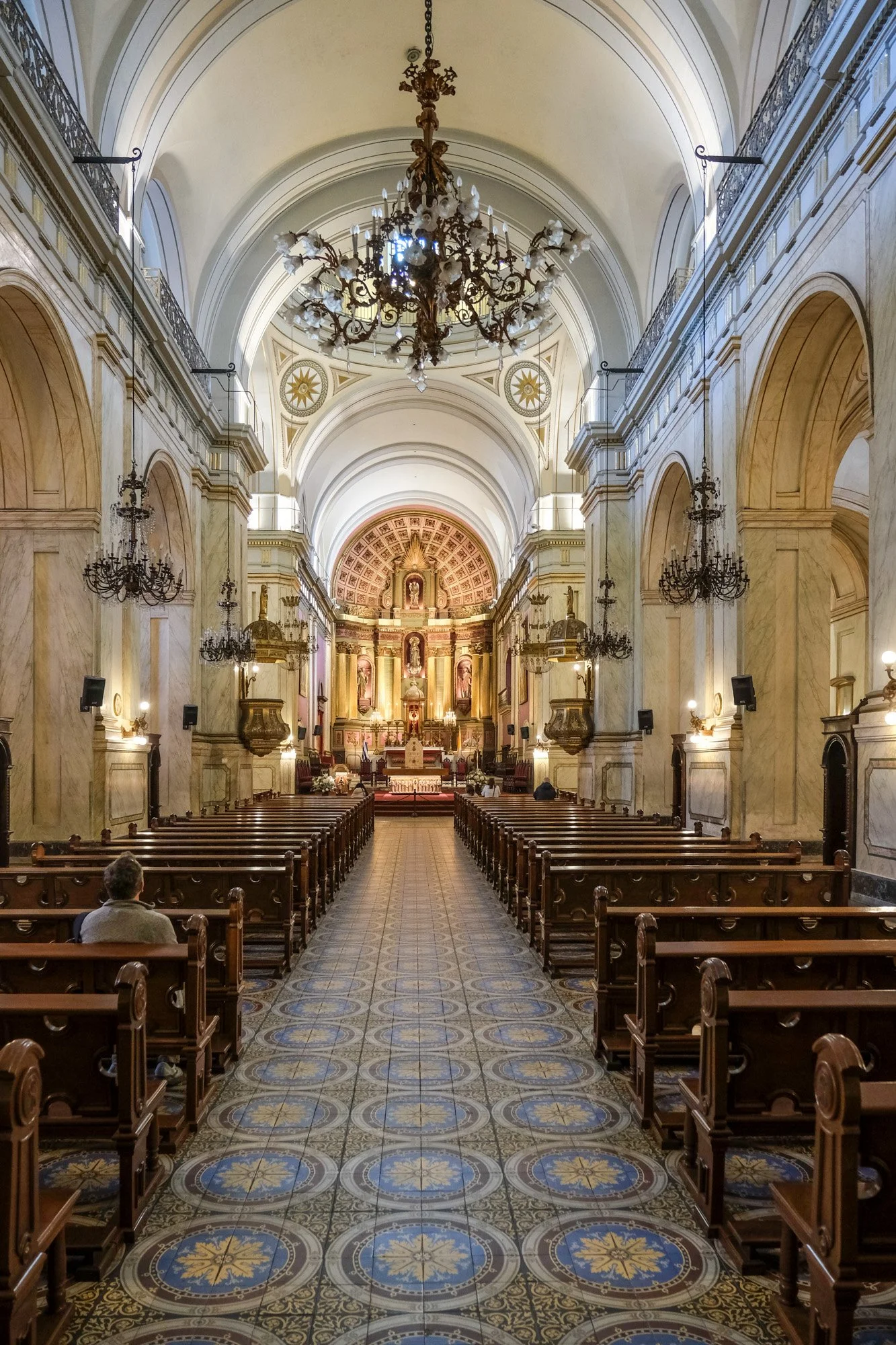
Uruguay is the most secular Latin American nation.
Less than a block from the church is a public register. During our three-day stay in Montevideo, I witnessed at least half a dozen wedding parties outside the registrar’s door. They don’t seem like the typical city hall wedding in the United States. Rather, there are large wedding parties, cheering the newlyweds as they leave the office. At the risk of generalization, it was apparent to me that many Uruguayans do not see marriage as a civic institution. Uruguay’s strict separation between church and state paved the way for the country’s progressive bent. It has been at the vanguard on issues like marijuana legalization, same-sex marriage, and euthanasia.
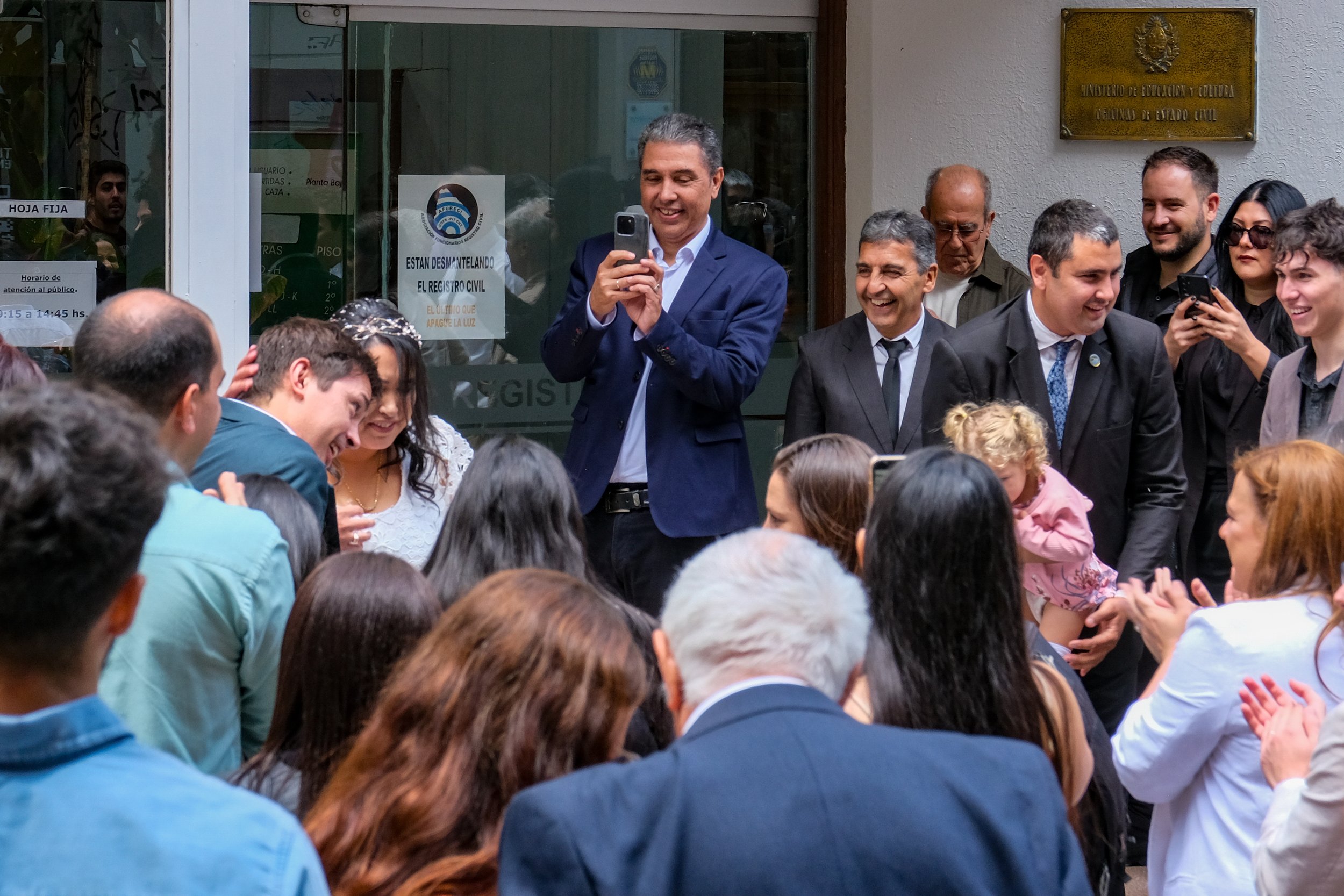
A wedding celebration outside of the public registrar’s office.
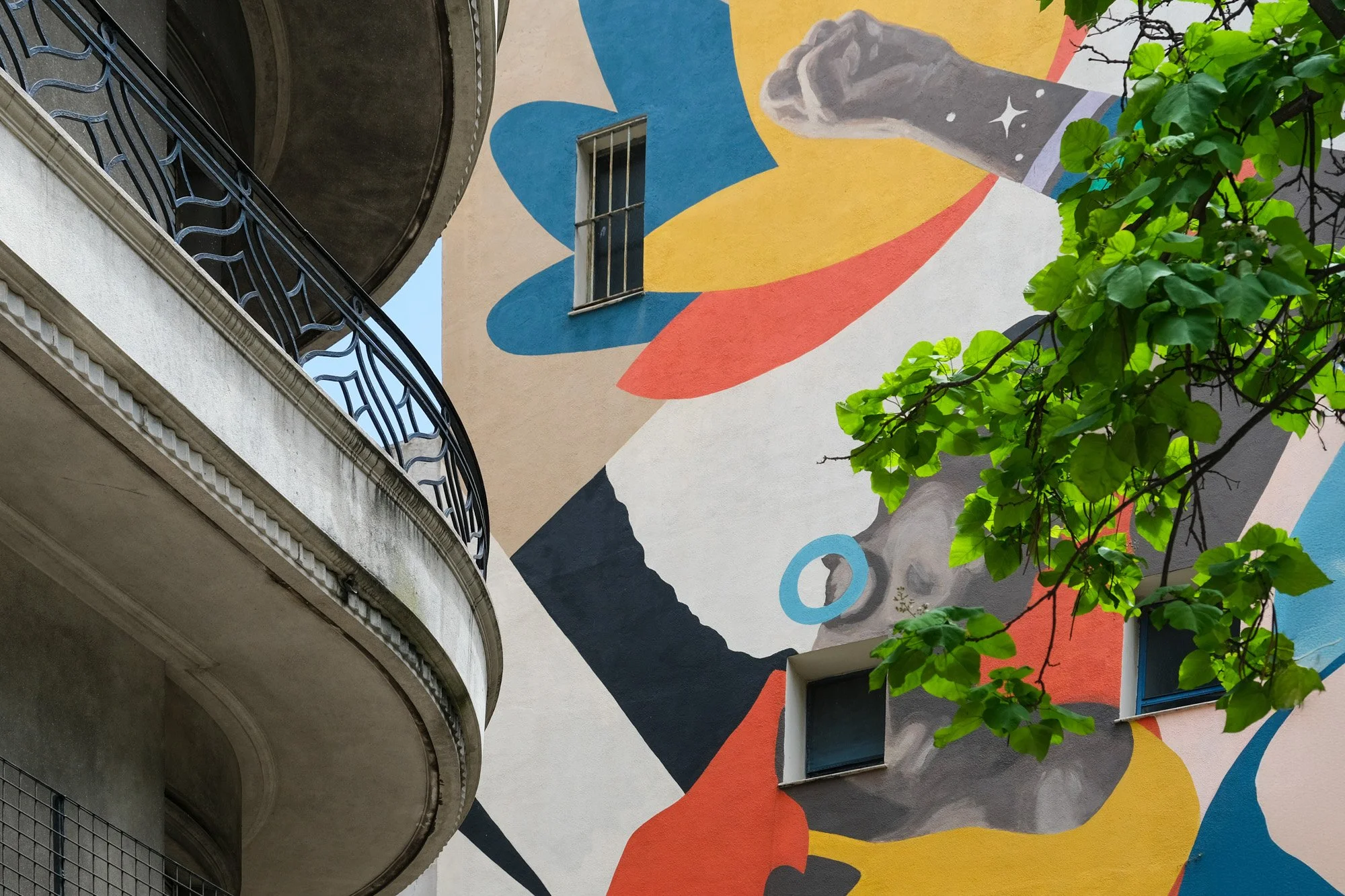
Ciudad Vieja is filled with numerous colorful murals.
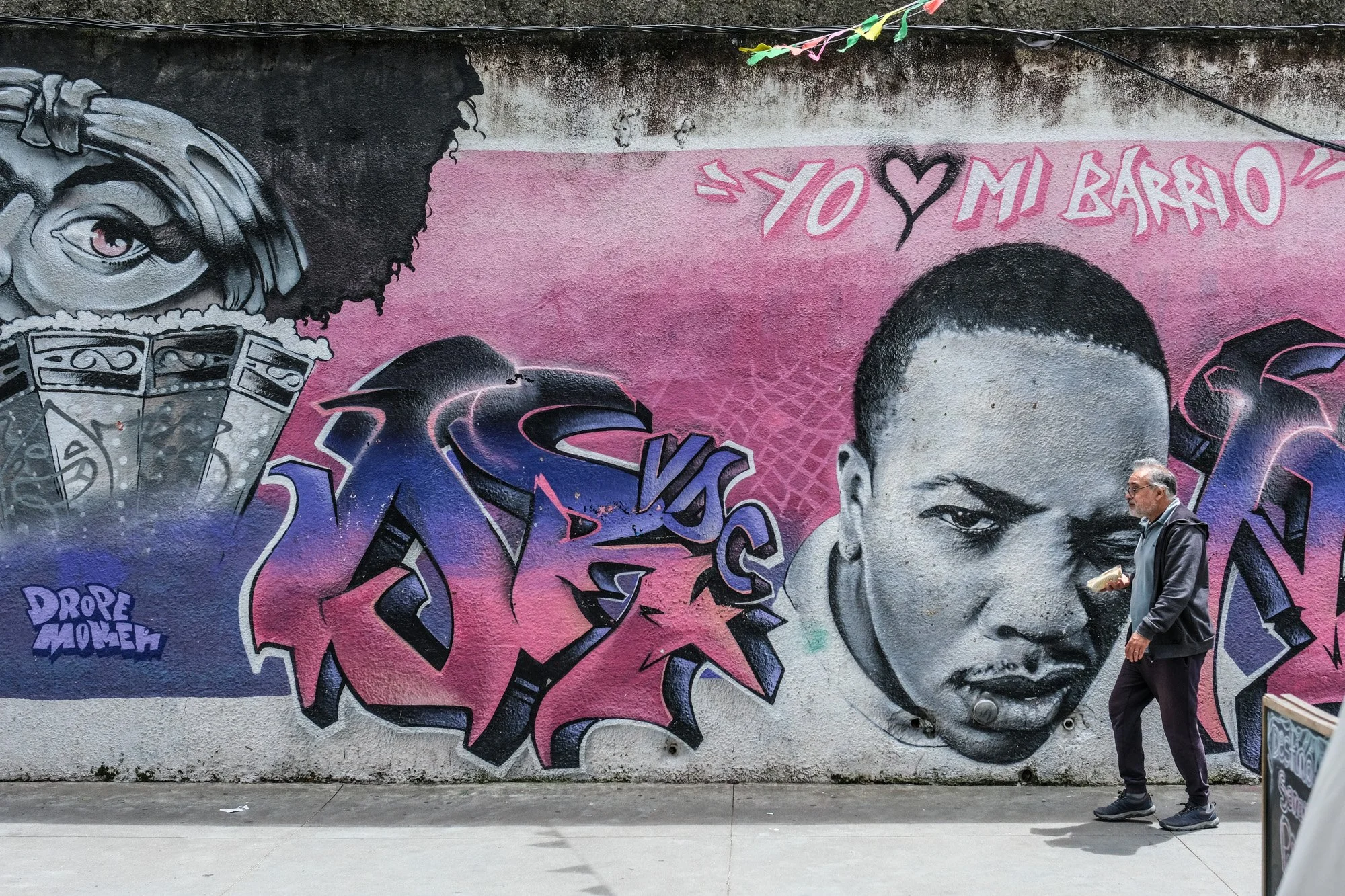
Ciudad Vieja is filled with numerous colorful murals.
Along Sarandí Street, there is plenty of street art and a few community gardens. I noticed a general preference for modern and contemporary art, which I really appreciate. They create a great contrast with the ornate Baroque and Art Deco buildings. Ciudad Vieja is home to a small collection of museums that might be worth visiting for anyone staying for a few days. Of course, the most unique among them is Museo Andes 1972, a boutique museum dedicated to the infamous crash of Uruguayan Air Force Flight 571. If you are not familiar with “Miracle of the Andes,” check out my previous post on this miraculous tale of human survival.
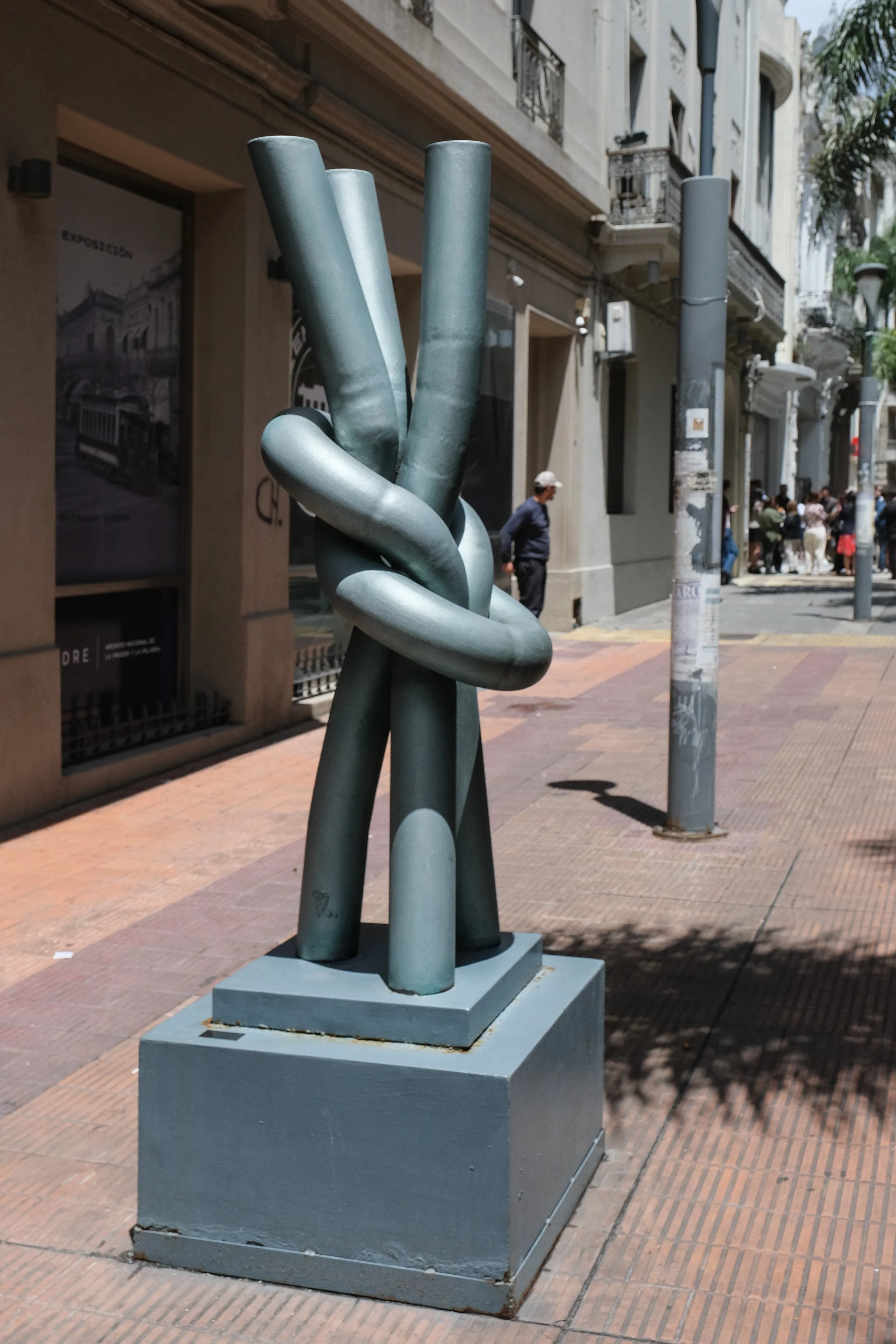
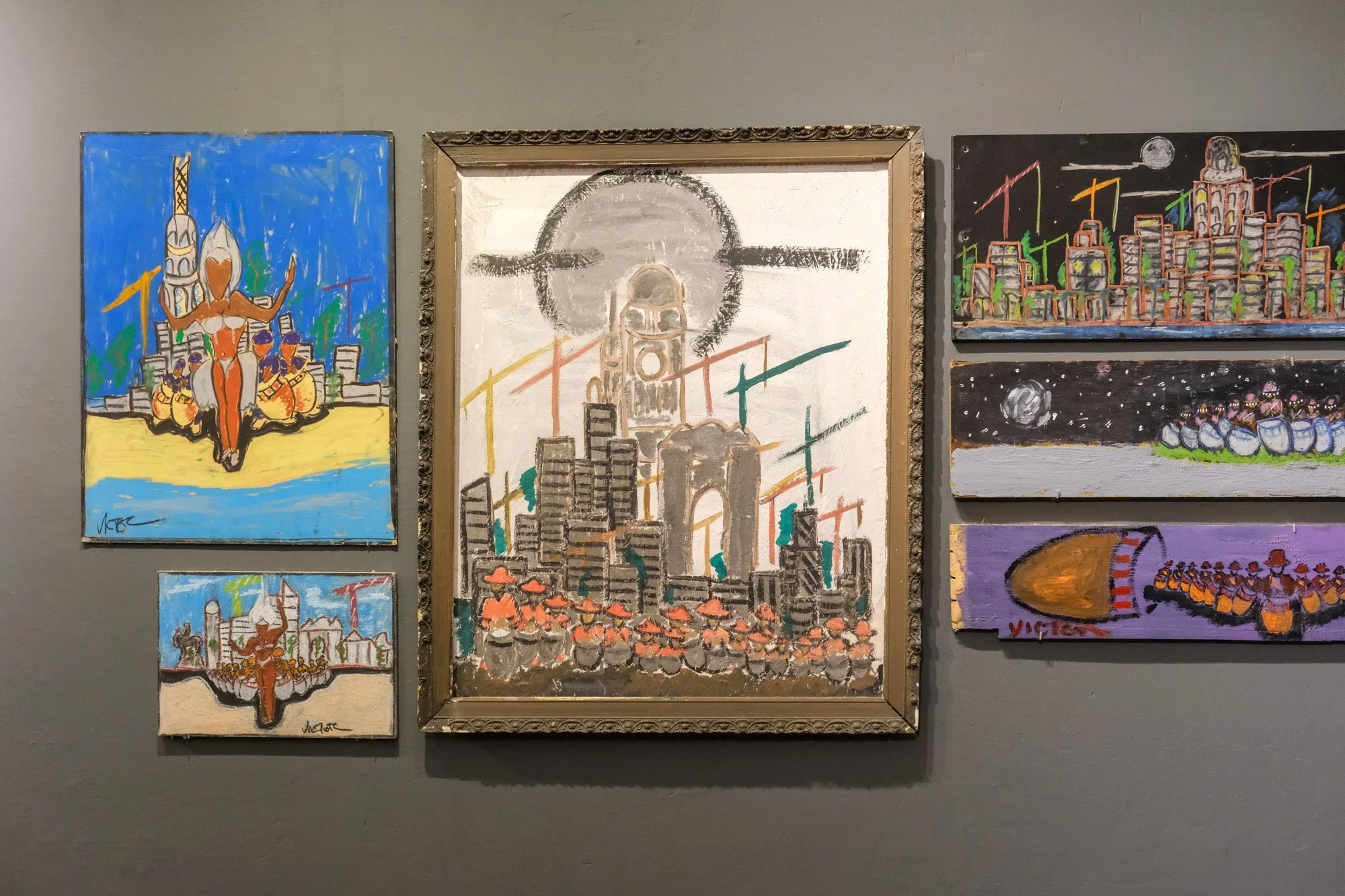
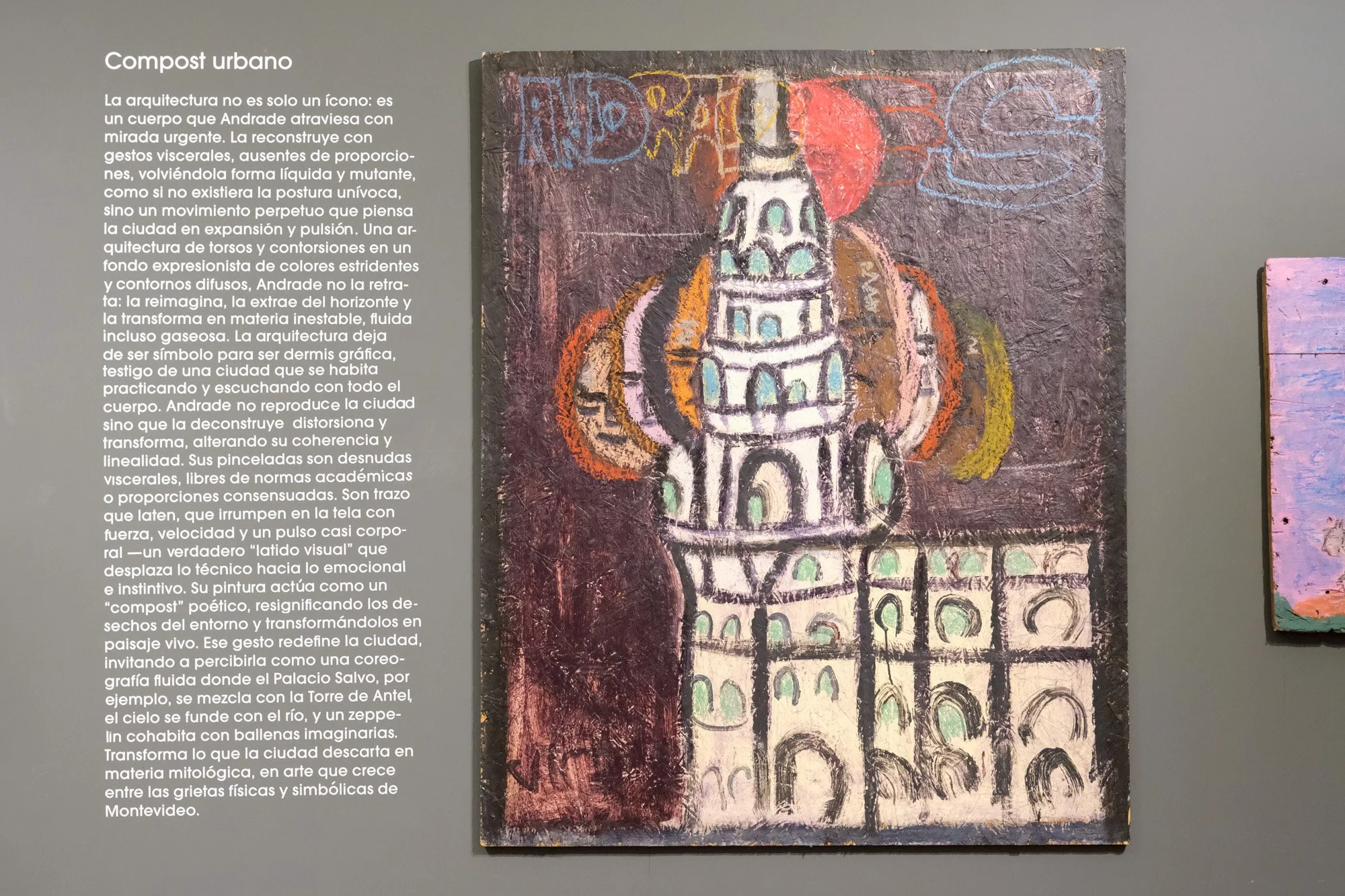
Montevideo fully embraces the modern and contemporary arts.
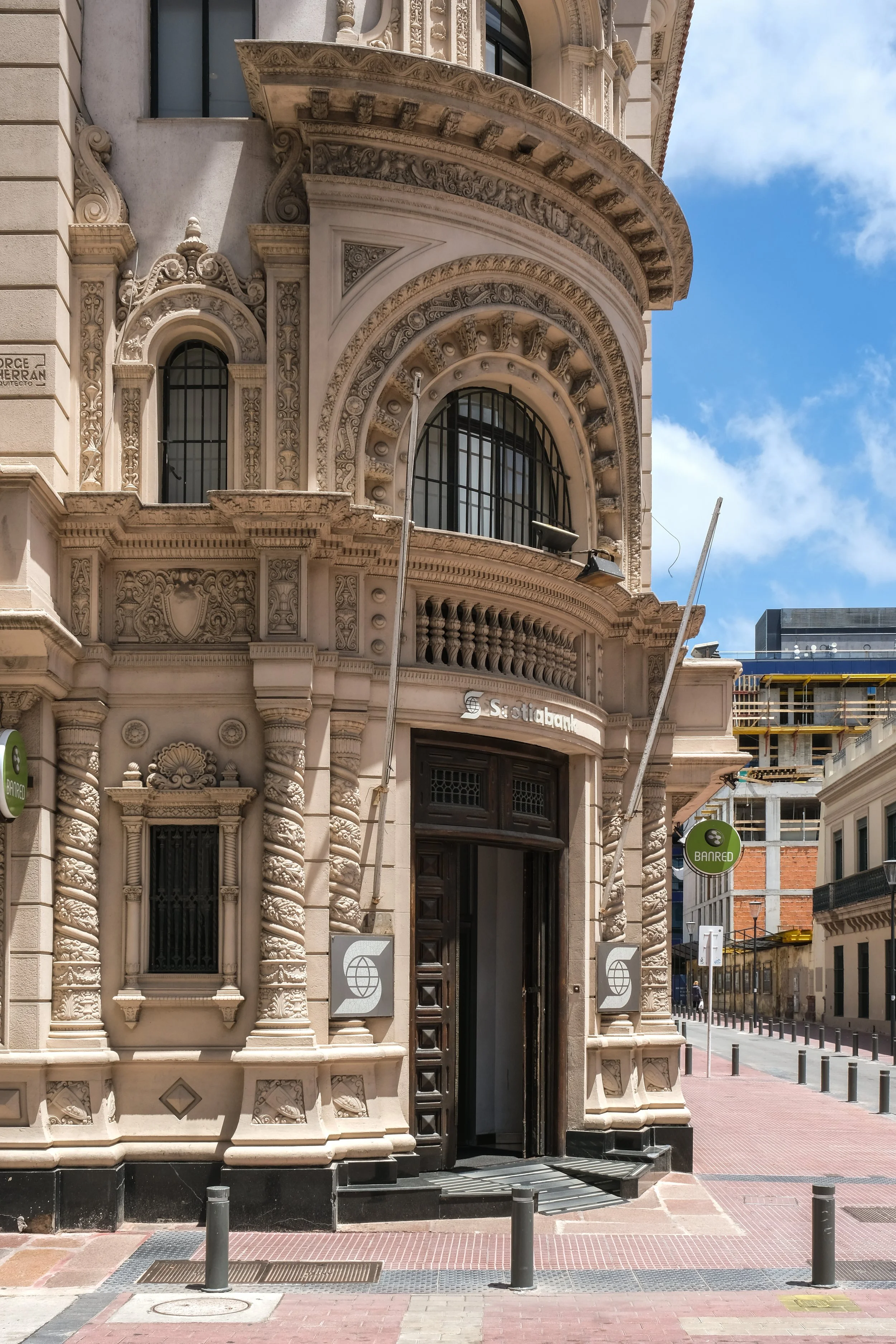
Ciudad Vieja is filled with numerous architectural gems.
Other notable museums worth checking out in Ciudad Vieja include the Pre-Columbian and Indigenous Art Museum and the Museum of Decorative Arts. The latter is housed within Taranco Palace, a palatial residence created by one of France’s most famous Beaux-Arts architects. The building was the site of the signing of the Montevideo Act in 1979, which ended the bitter border dispute between Chile and Argentina. Today, this adorable museum features an impressive collection of period furnishings and interiors. Like most public museums in Uruguay, it is completely free to the public.
A block to the east is the Fructuoso Rivera House, a grand former residence of the first constitutional president of the Uruguayan Republic and a soldier under General Artigas. While Rivera’s role in the Uruguayan independence is undeniable, he was also responsible for the brutal massacre of the indigenous Charrúas people. The most infamous was the Massacre of Salsipuedes in 1831, where the Charrúa chiefs and their most important deputies were lured into a massacre under the guise of peace negotiations. As many as 300 Charrúas were captured and sold into slavery in Montevideo. Four of them were famously shipped out to Paris to be exhibited as the “last Charrúas.” His legacy is now under modern scrutiny for good reasons.
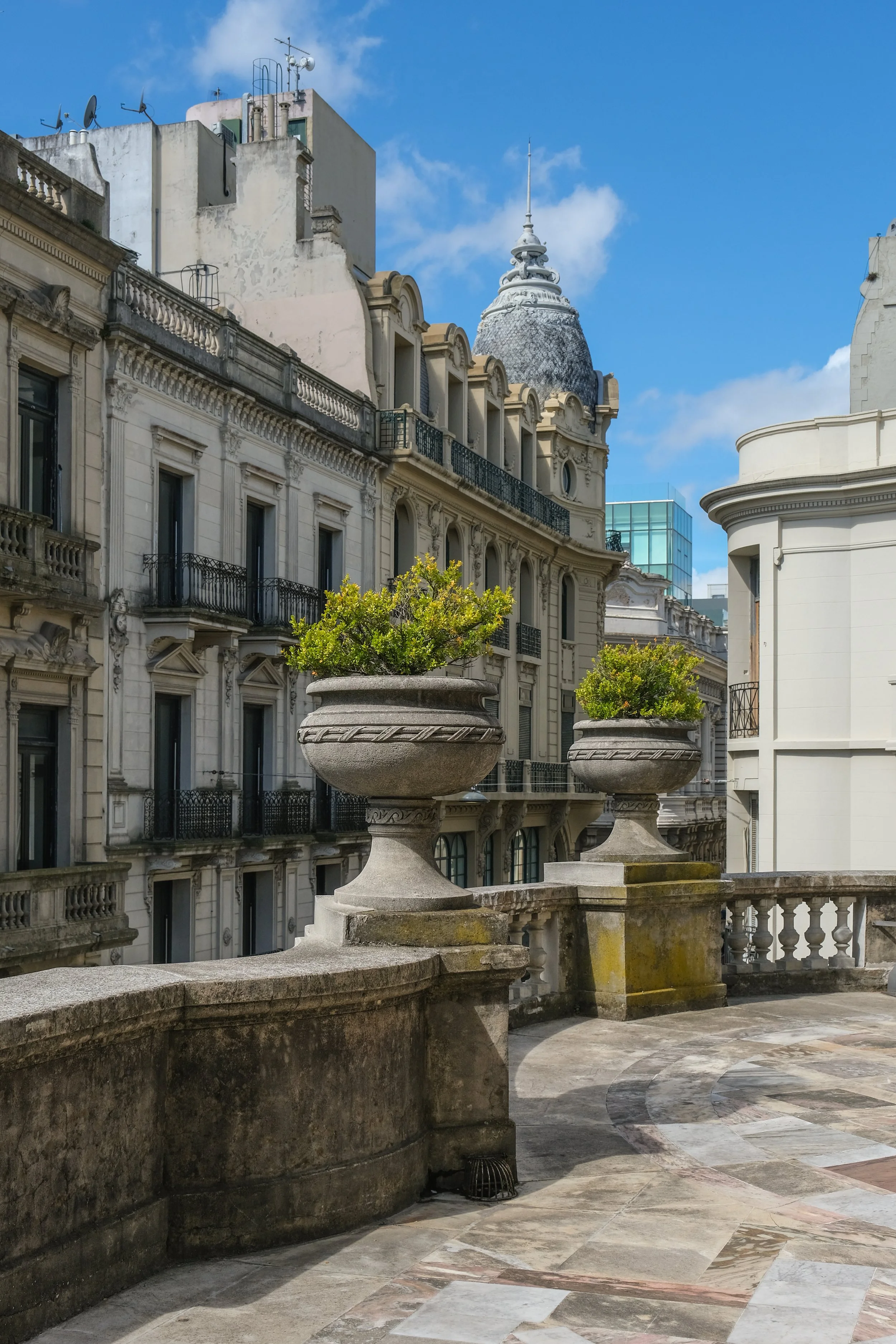
The Taranco Palace is now home to the Museum of Decorative Arts.
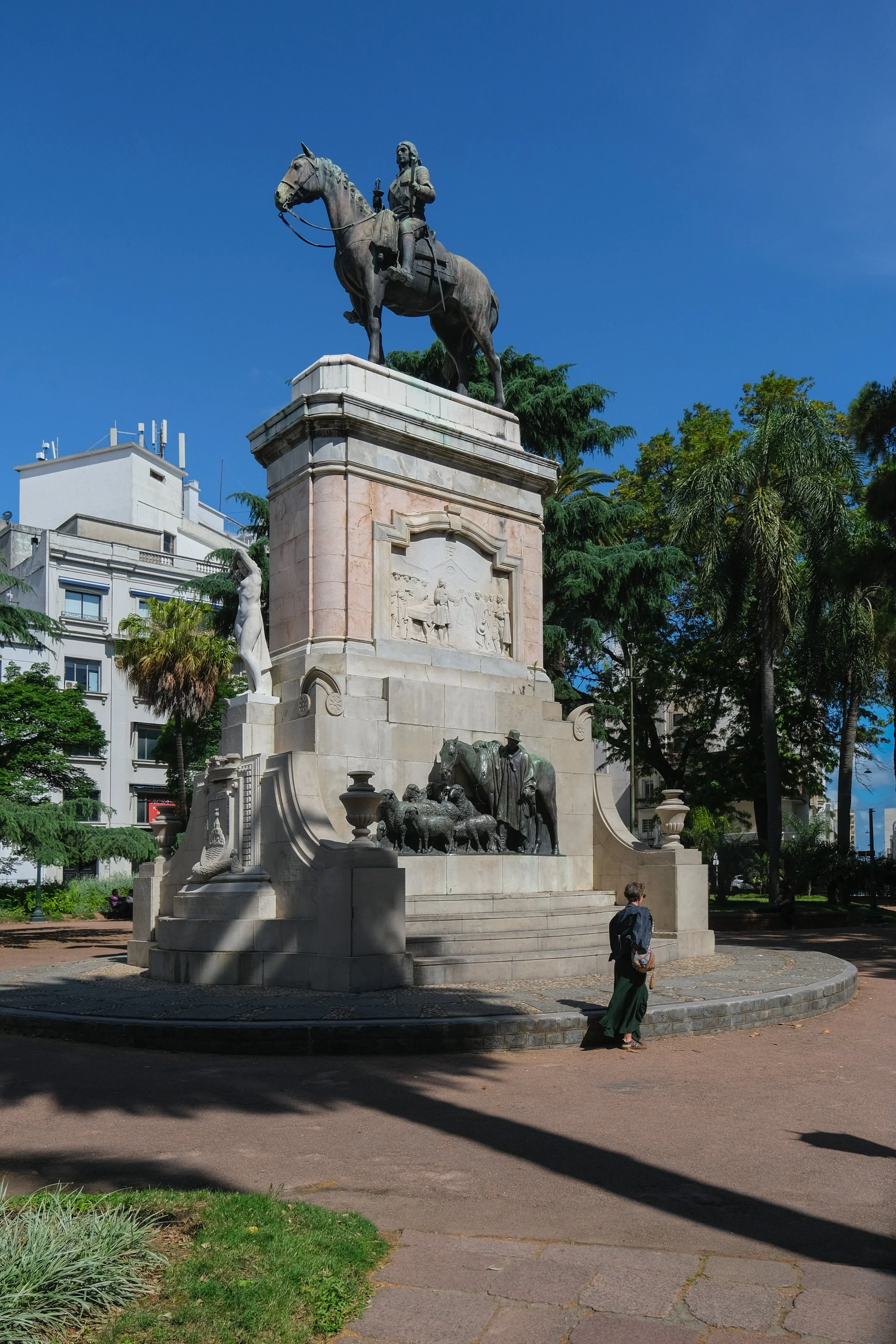
The equestrian statue of Mauricio de Zabala.
The most unique plaza in Ciudad Vieja is the nearby Zabala Square. The plaza occupies the site of a former fortress and is distinct for its diamond-shaped layout, which stands out in the colonial grid of Montevideo. It is easy to see why this square was once the most desirable address for Montevideo’s rich and famous. Situated in the middle of the square is an equestrian statue of Bruno Mauricio de Zabala, the former governor of Río de la Plata and the founder of Montevideo. At the base of the monument are two bronze statues of the settlers. It was clear that livestock had always been the lifeline for Uruguay.
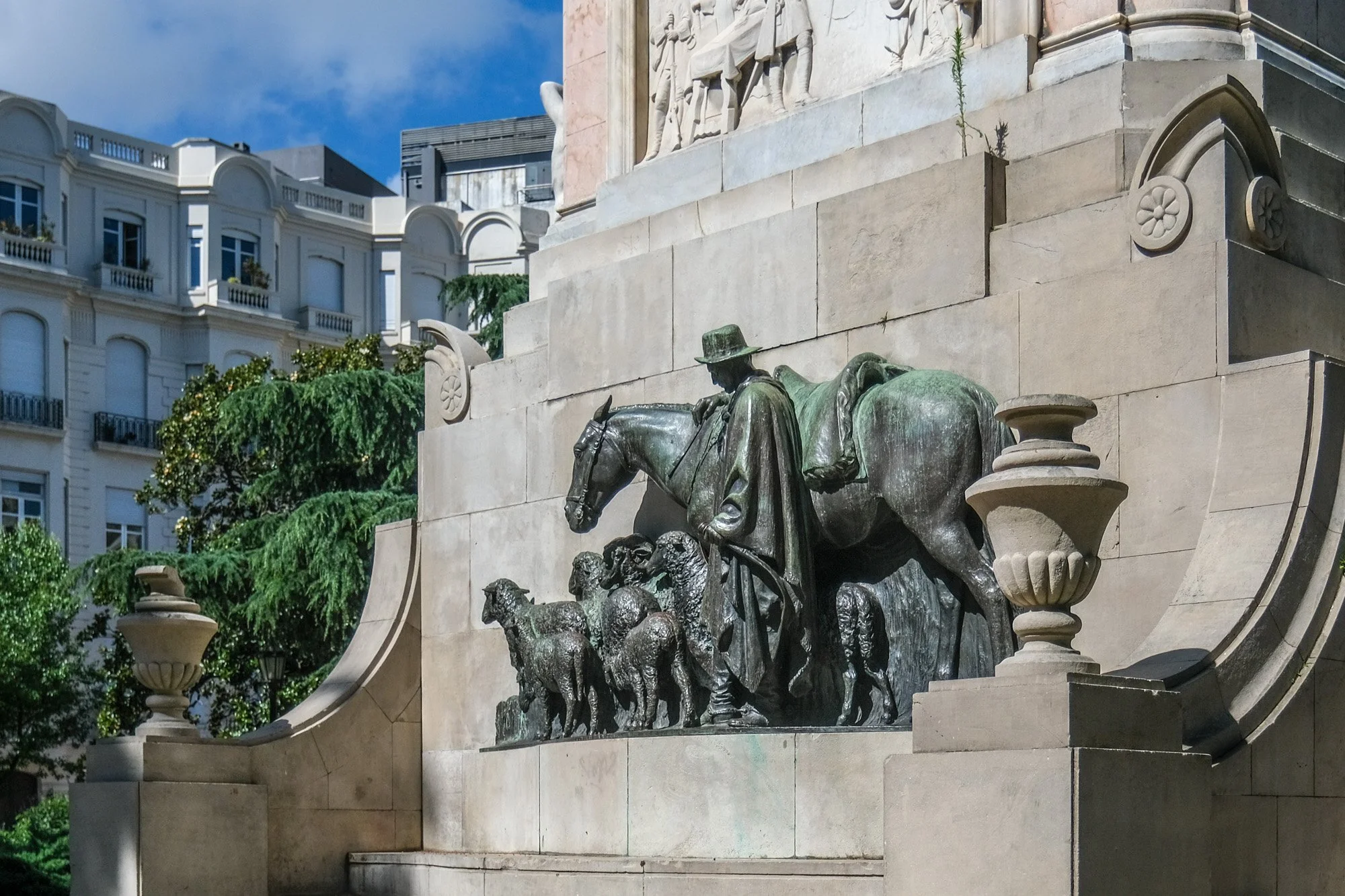
Uruguay’s economy has always been anchored in livestock.
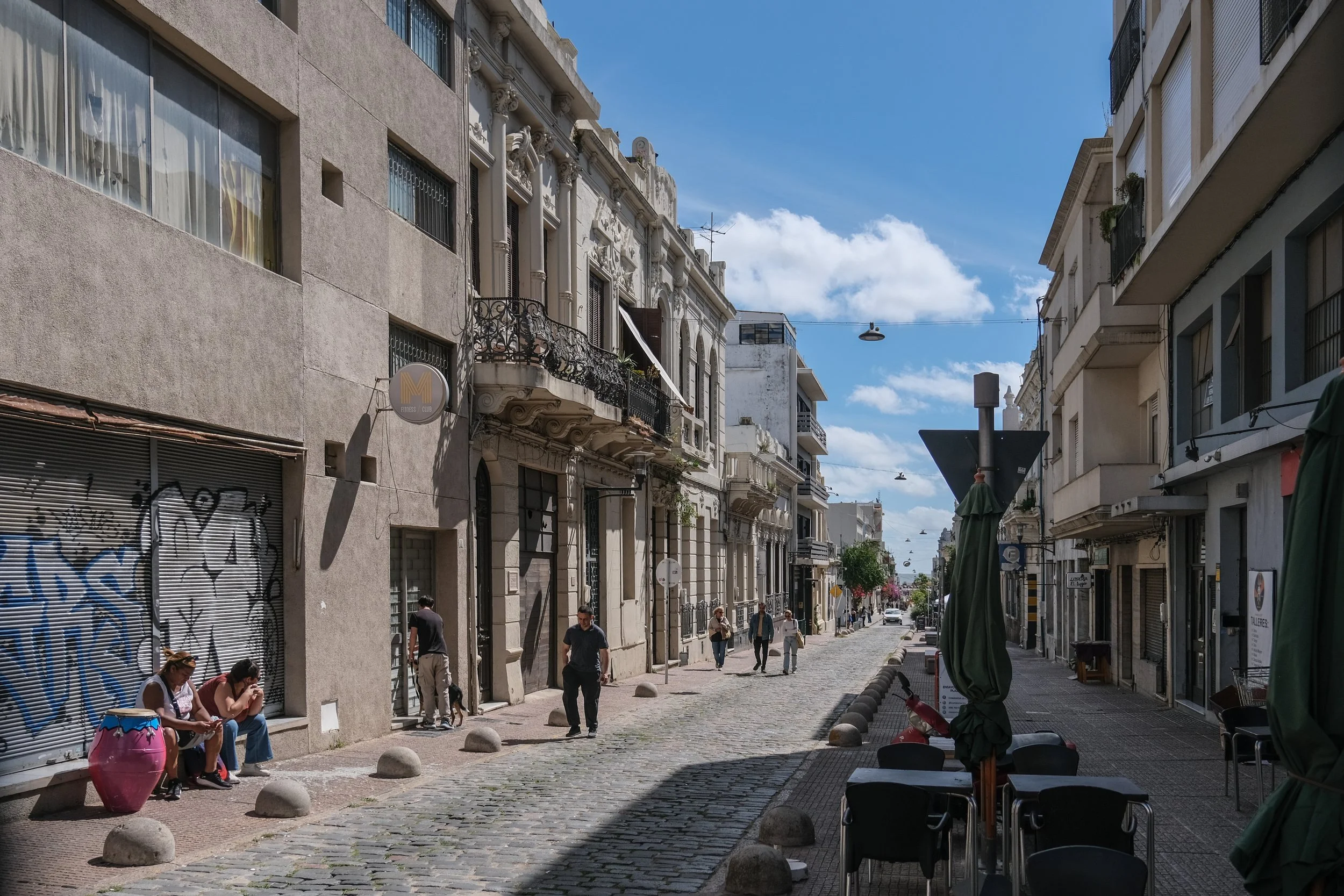
Calle Pérez Castellano.
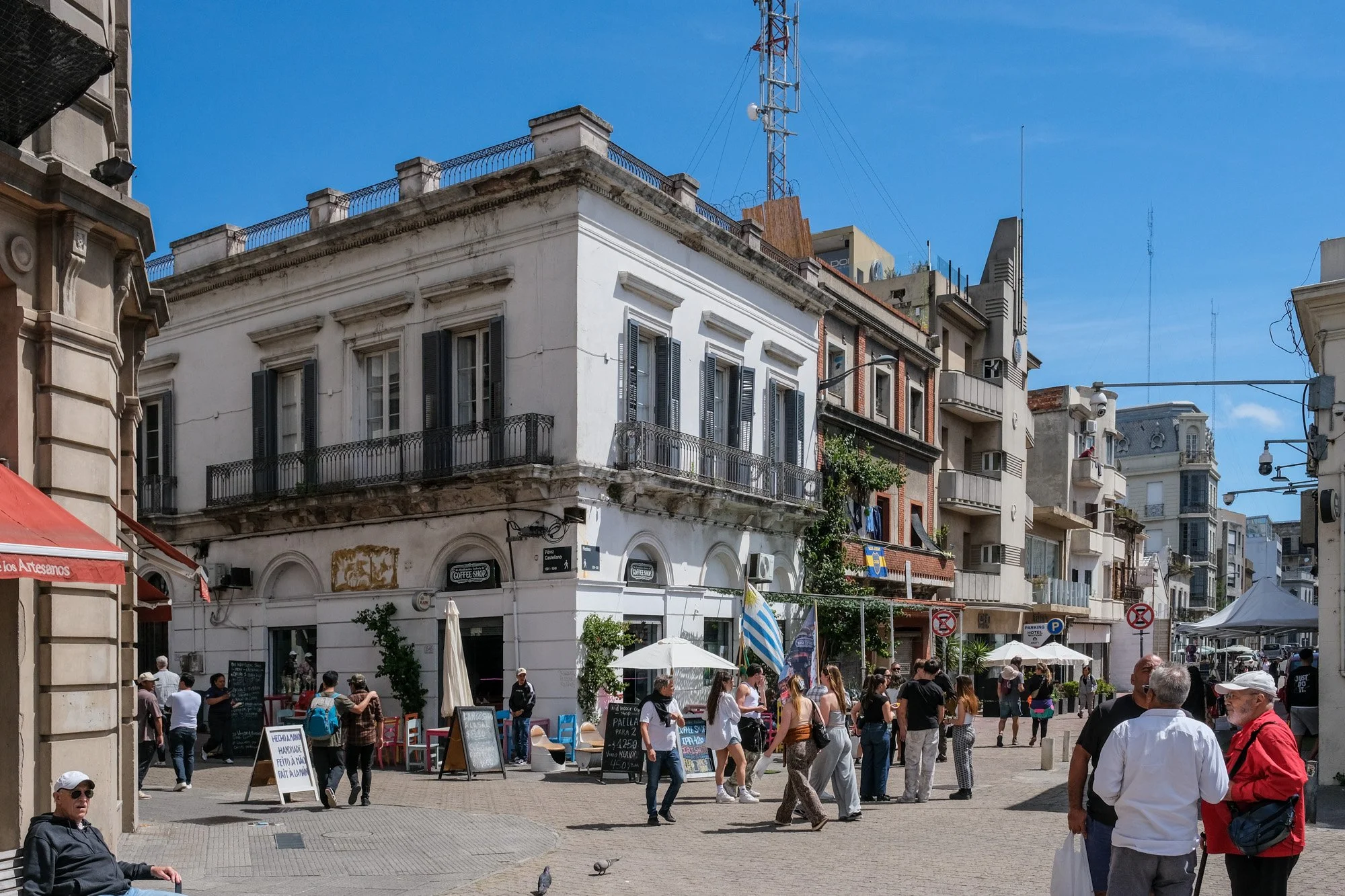
The vicinity around Mercado del Puerto is definitely touristy (by Uruguayan standards).
The pedestrian stretch of Ciudad Vieja takes a turn at the intersection of Calle Pérez Castellano. This four-block stretch is probably the most touristy part of the neighborhood, lined with numerous hipster cafes and restaurants. Because of its proximity to the cruise port, this is sadly where you'll find mass-produced souvenirs like fridge magnets and printed mugs. For a better shopping experience, I would recommend Mercado de los Artesanos, a convenient emporium of Uruguayan-made handicrafts and arts. That said, a novice like me can’t really discern a Uruguayan style. Perhaps an artisanal mate gourd is the best buy.
Like most visitors, we eventually found ourselves at Mercado del Puerto, the old port market. Completed in 1868, the market hall bears all the characteristics of a great European market hall, such as an ornate central clock tower and a wrought-iron truss roof manufactured in Liverpool, England. Originally a produce market catering to locals and docked ships, the market has been transformed into a gastronomic hub of Montevideo. In particular, it has become the most popular spot to sample Uruguayan asado. Culinary connoisseurs might snark on this touristy spot, but you can’t beat the bustling ambiance of this temple of meat.
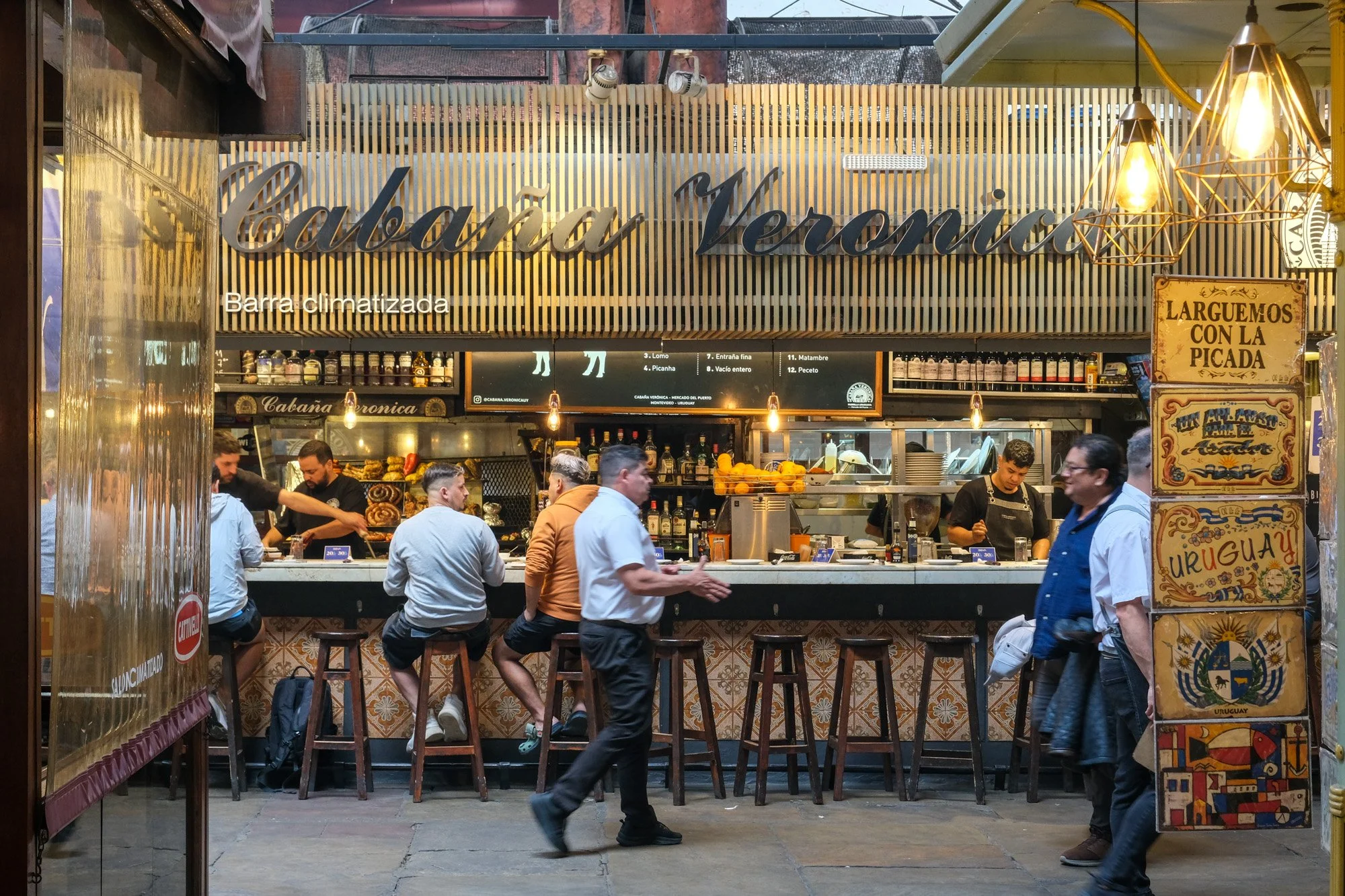
Cabaña Veronica is well recommended by locals and visitors alike.
In all honesty, our love for Uruguayan asado was the main reason we came to Uruguay. We first had a taste of Uruguayan grill at a conspicuous restaurant in Panajachel, Guatemala. Before that, we knew nothing about Uruguay, and we had been actively looking for a Uruguayan restaurant after returning to New York. While Argentinian asado is world-famous, Uruguayans do it their own way by doing things a little differently but using embers or hot coals, never charcoal. Traditionally, many prefer their beef well done; the locals are so proud of their grass-fed beef that it remains tender even fully cooked. People’s favorite cuts include cross-cut short ribs, sweetbread, and morcilla blood sausages. This is definitely not a place for vegetarians.
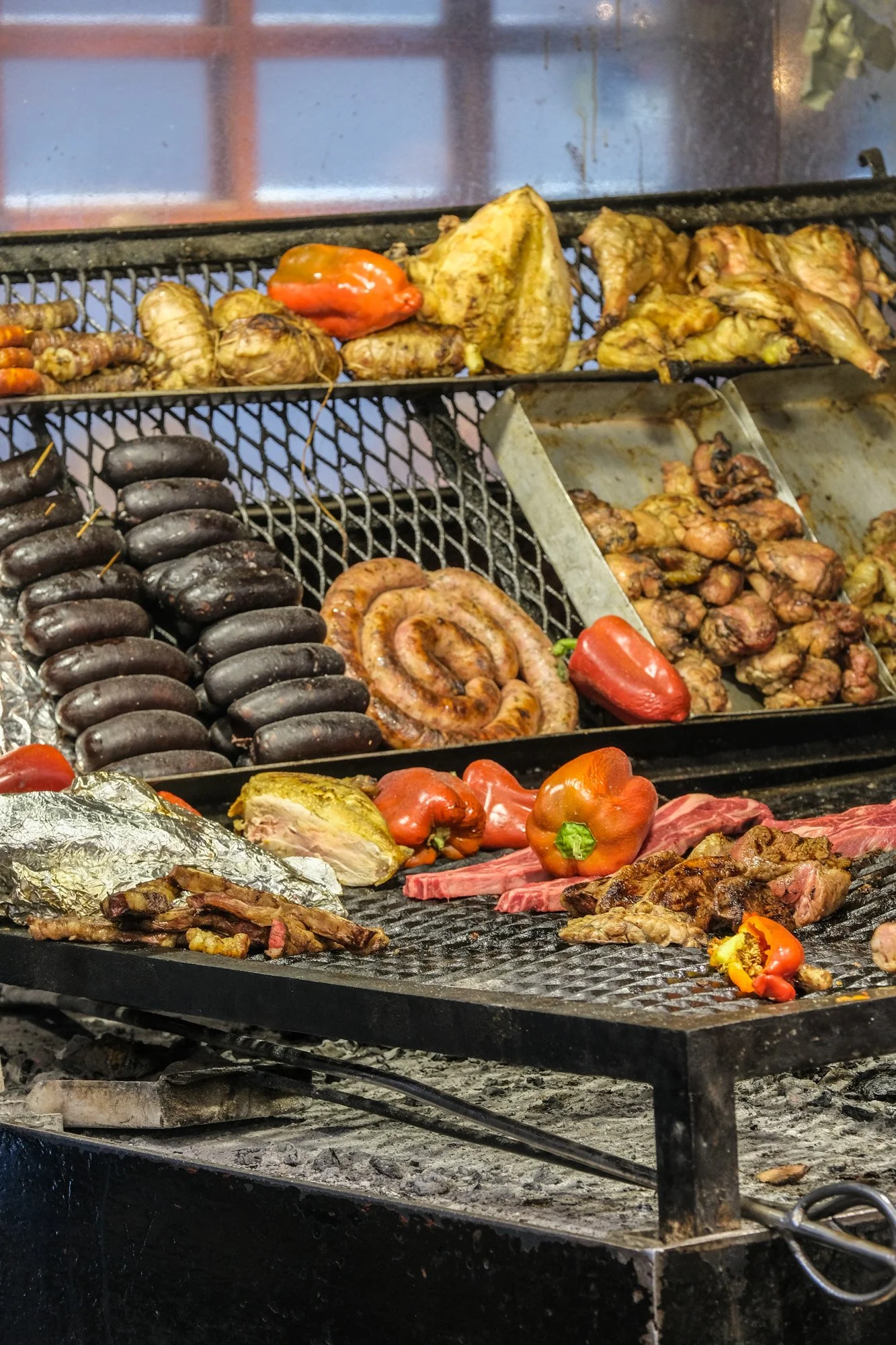
Unlike its Argentinian cousin, Uruguayan asado is known for not using charcoal.
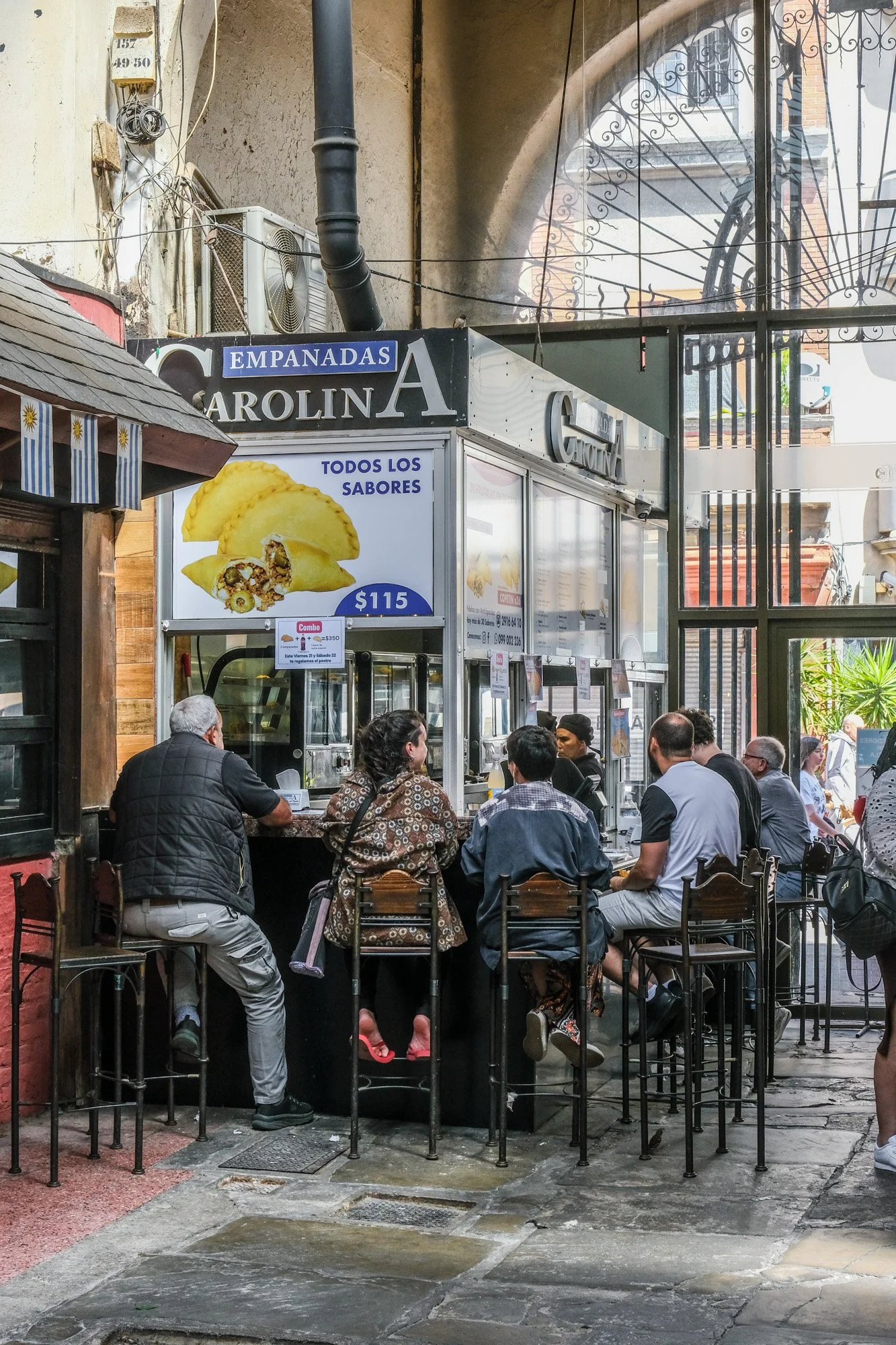
Asado aside, there are also smaller food vendors at the market.
With nearly a dozen parrillas to choose from, choosing a place for lunch can be quite challenging. I have read from a couple of locals that the best of the bunch is Cabaña Veronica. It is the only woman-run parrilla there, and the service was efficient and friendly despite its popularity. We are definitely no experts on grilled meat, but this was definitely the best meat we had in Uruguay. We ended up coming back for a second time at the end of our trip. To get the convivial ambiance, it would be best to sit at the bar and watch the grill masters in action. It may not be a cheap meal in Uruguay, but it is certainly considered good value compared to what it costs back home in North America.
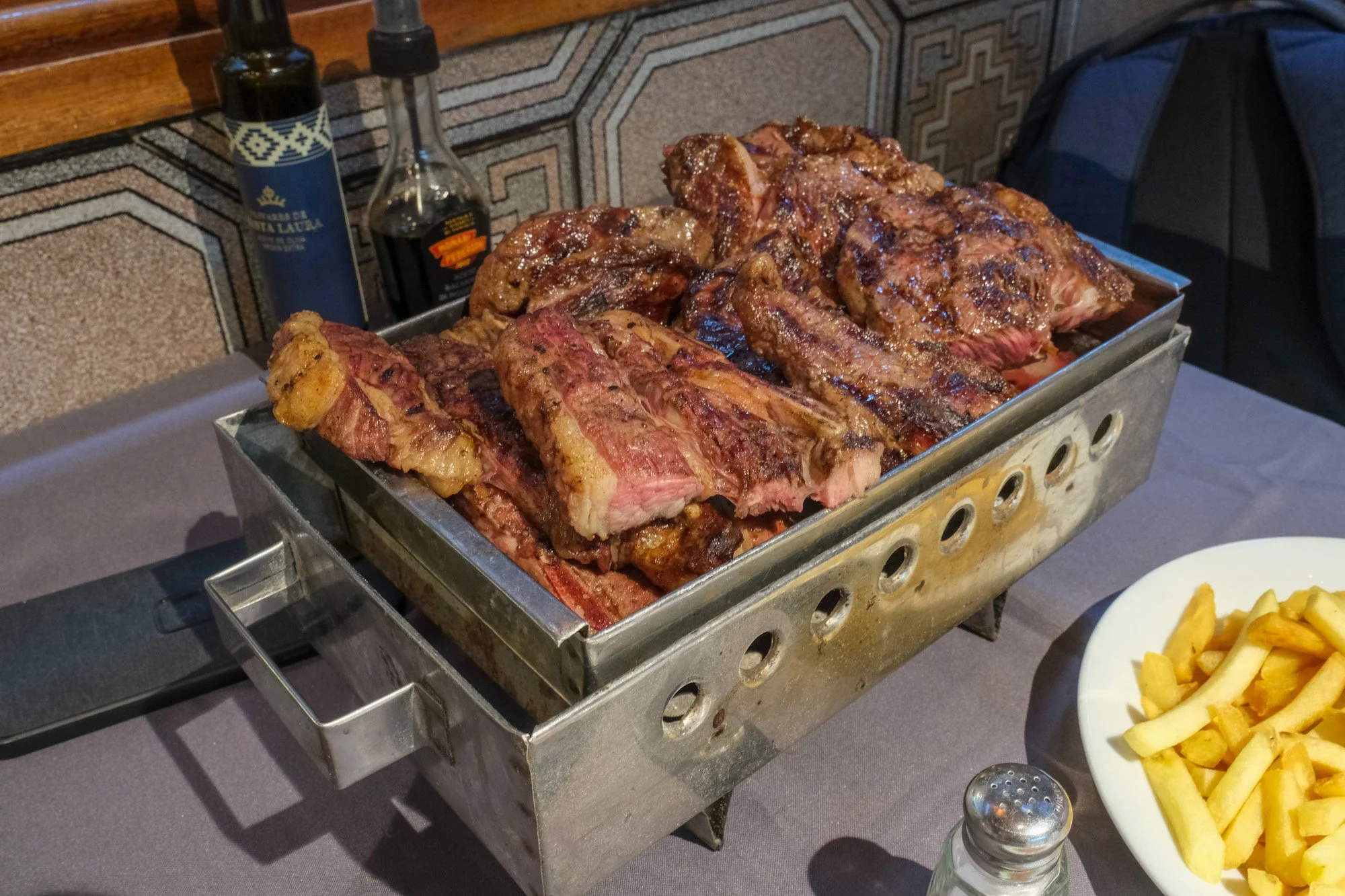
I couldn’t believe the two of us finished the meat platter at Cabaña Veronica.
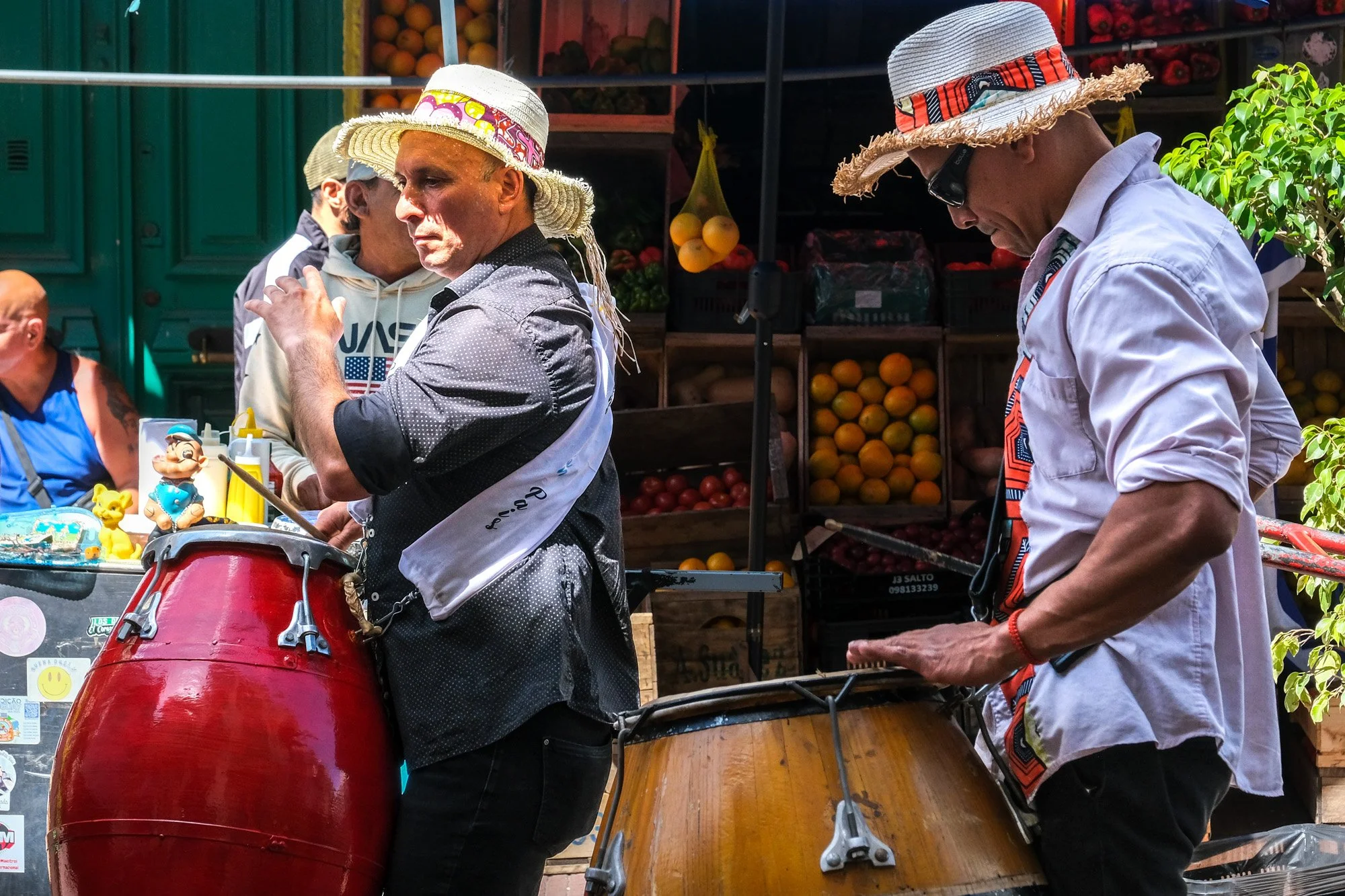
Candombe performance along Calle Pérez Castellano.
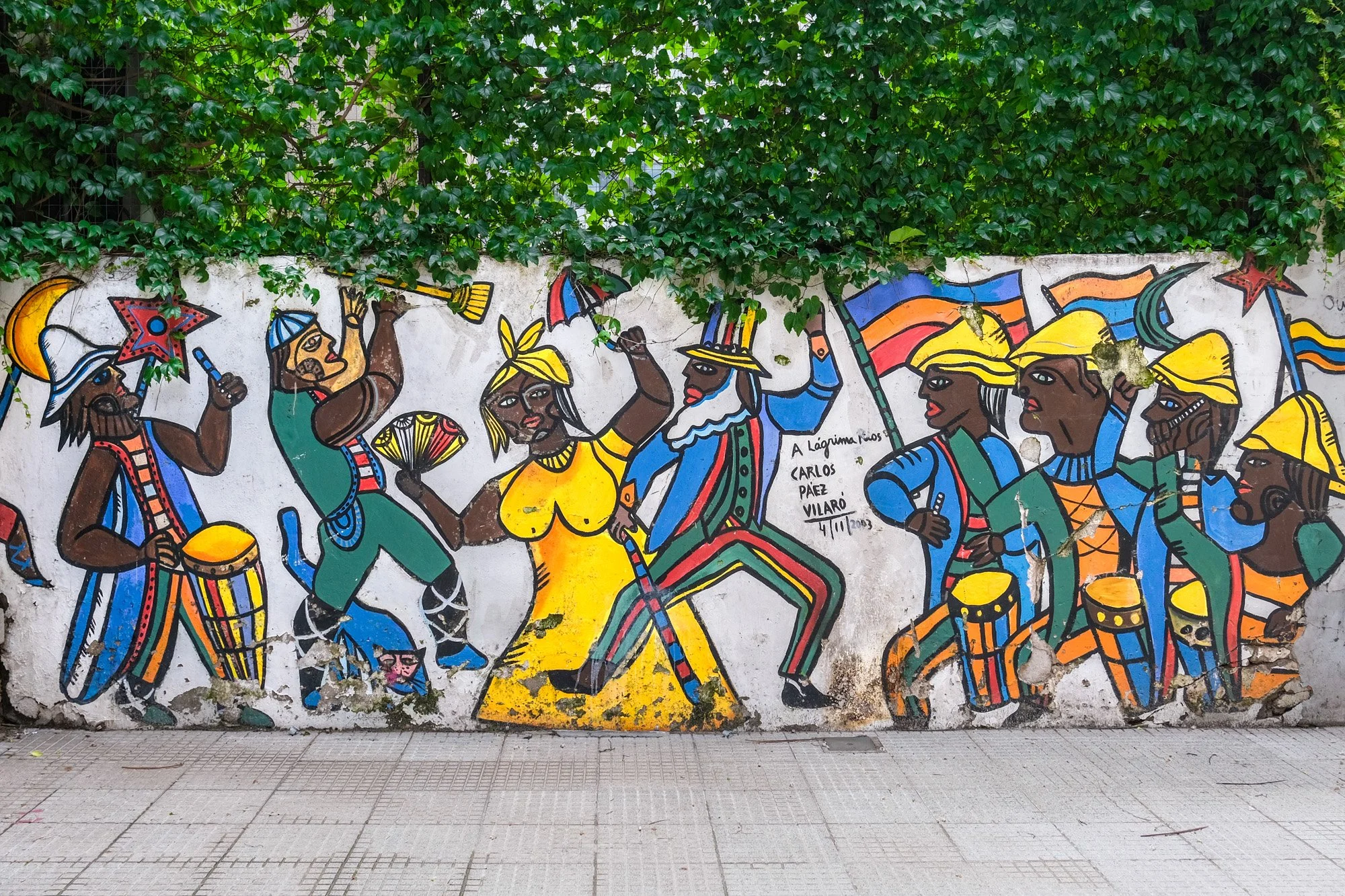
Candombe is a celebration of Afro-Uruguayan culture.
Thanks to the cruise port and the number of tourists, this is probably the area where visitors could catch candombe, a uniquely Uruguayan music and dance tradition associated with liberated African slaves. The small musical ensemble was originally performed by Afro-Uruguayans and was banned by the government in 1807. But over the course of the century, people kept the traditions alive, and it eventually became an integral part of the national culture. Its distinctive rhythm is unmistakable and is closely associated with the “Uruguayan Tango,” and it has been inscribed on the UNESCO Intangible Cultural Heritage list since 2009.
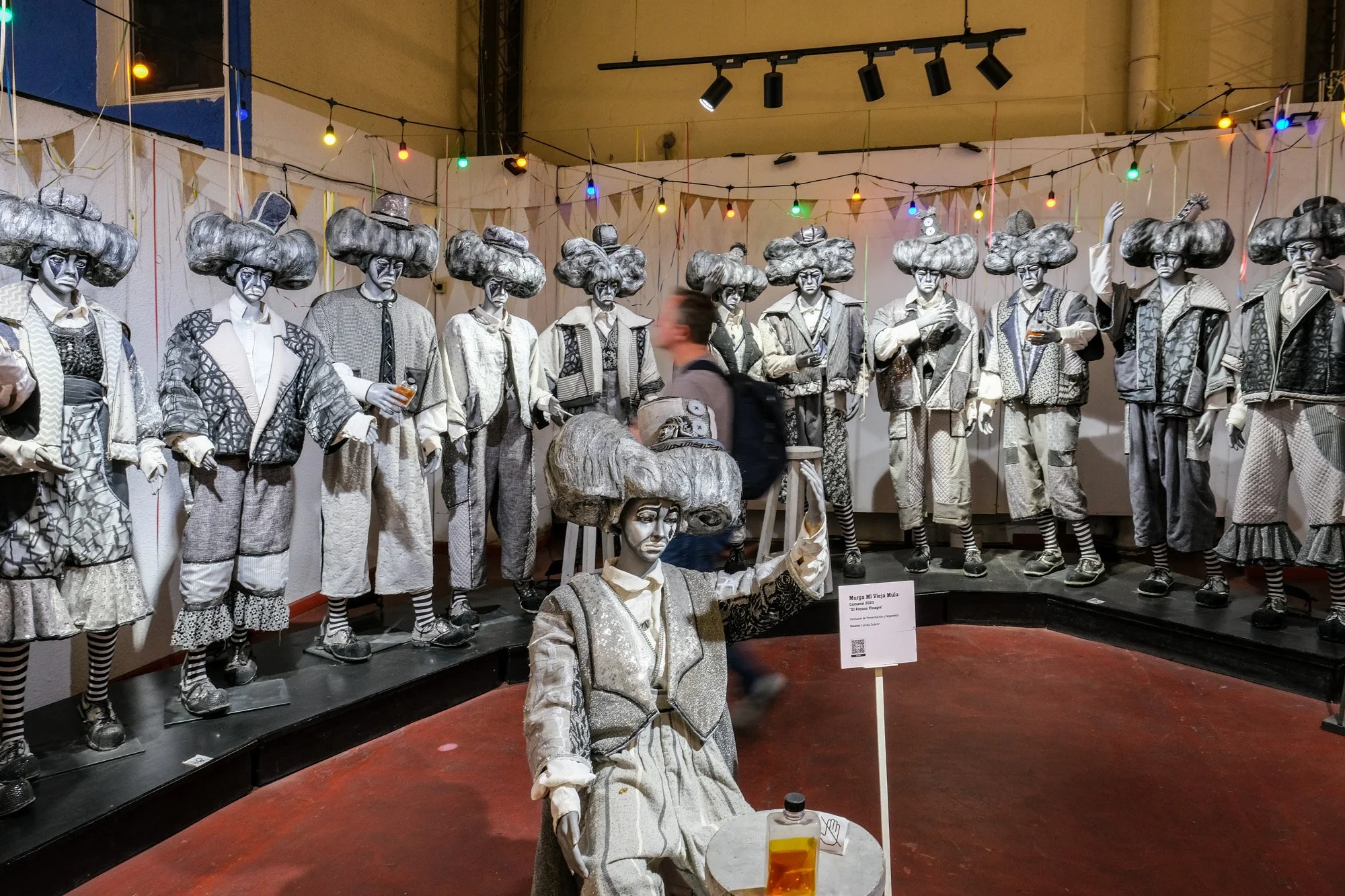
Am I the only one who thinks this is terrifying?
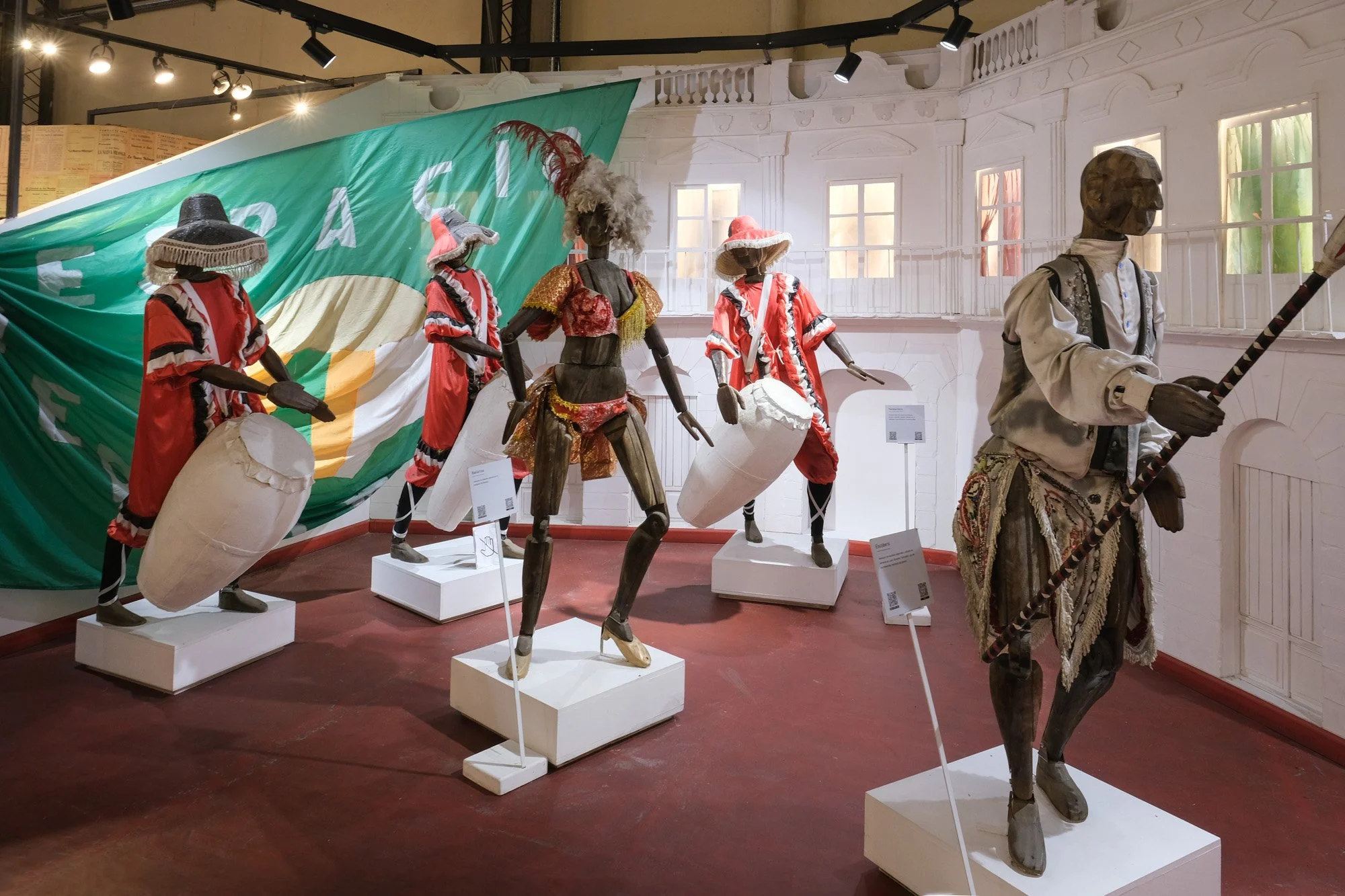
Montevideo’s Carnival Museum is small but mighty.
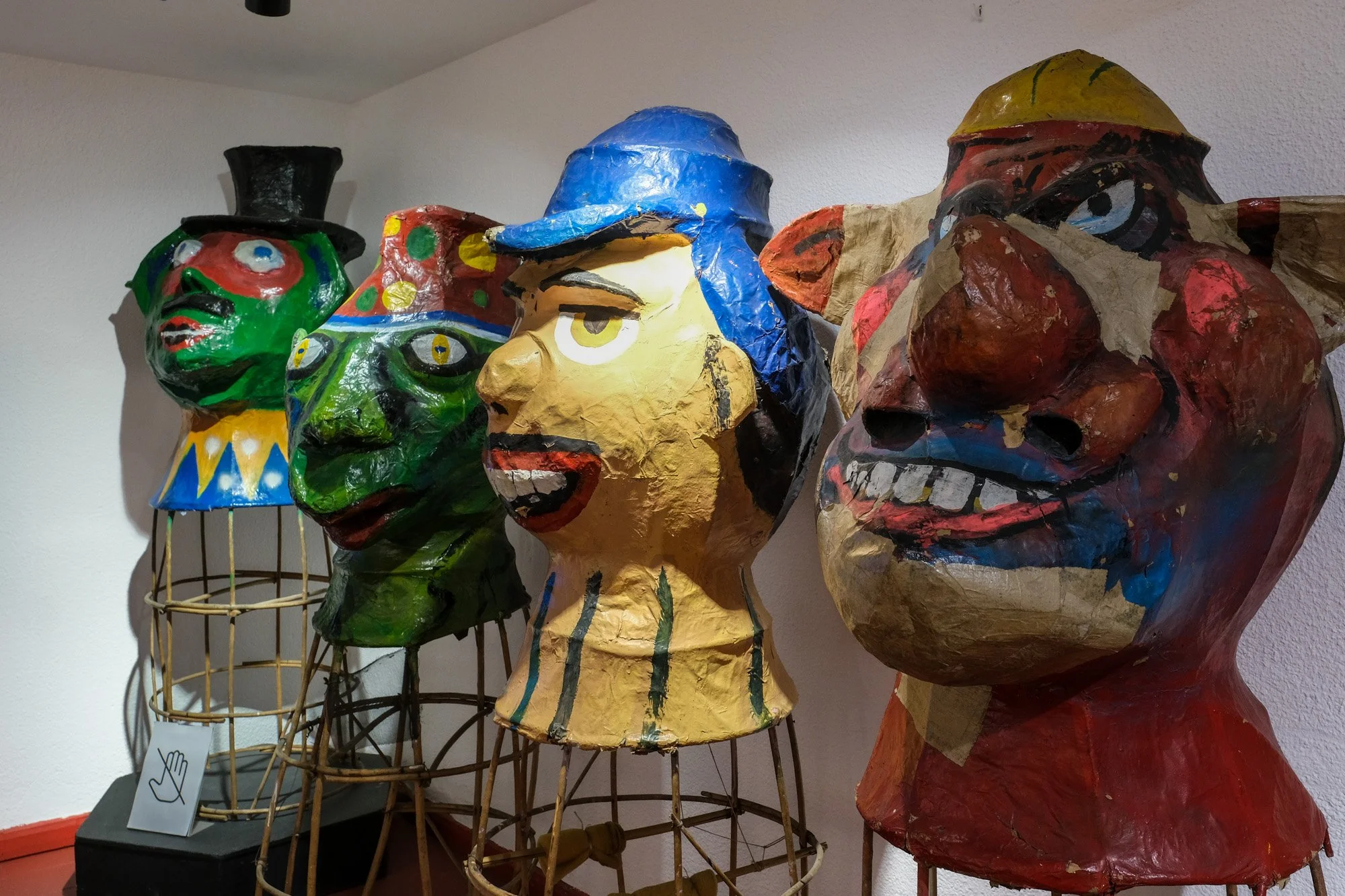
These paper-mache heads are iconic.
Nowadays, candombe can be heard throughout Montevideo during and before the carnivals. Although Brazil is best known for its flashy festivities, Uruguay holds the distinction of having the world’s longest carnival, lasting as long as 40 days. Since we visited during November, most of the city’s neighborhood comparsas had not come to life yet. I did read somewhere that good hotel sound insulation would be important during the period leading up to the carnival, as the groups would practice their routines in the streets day and night.
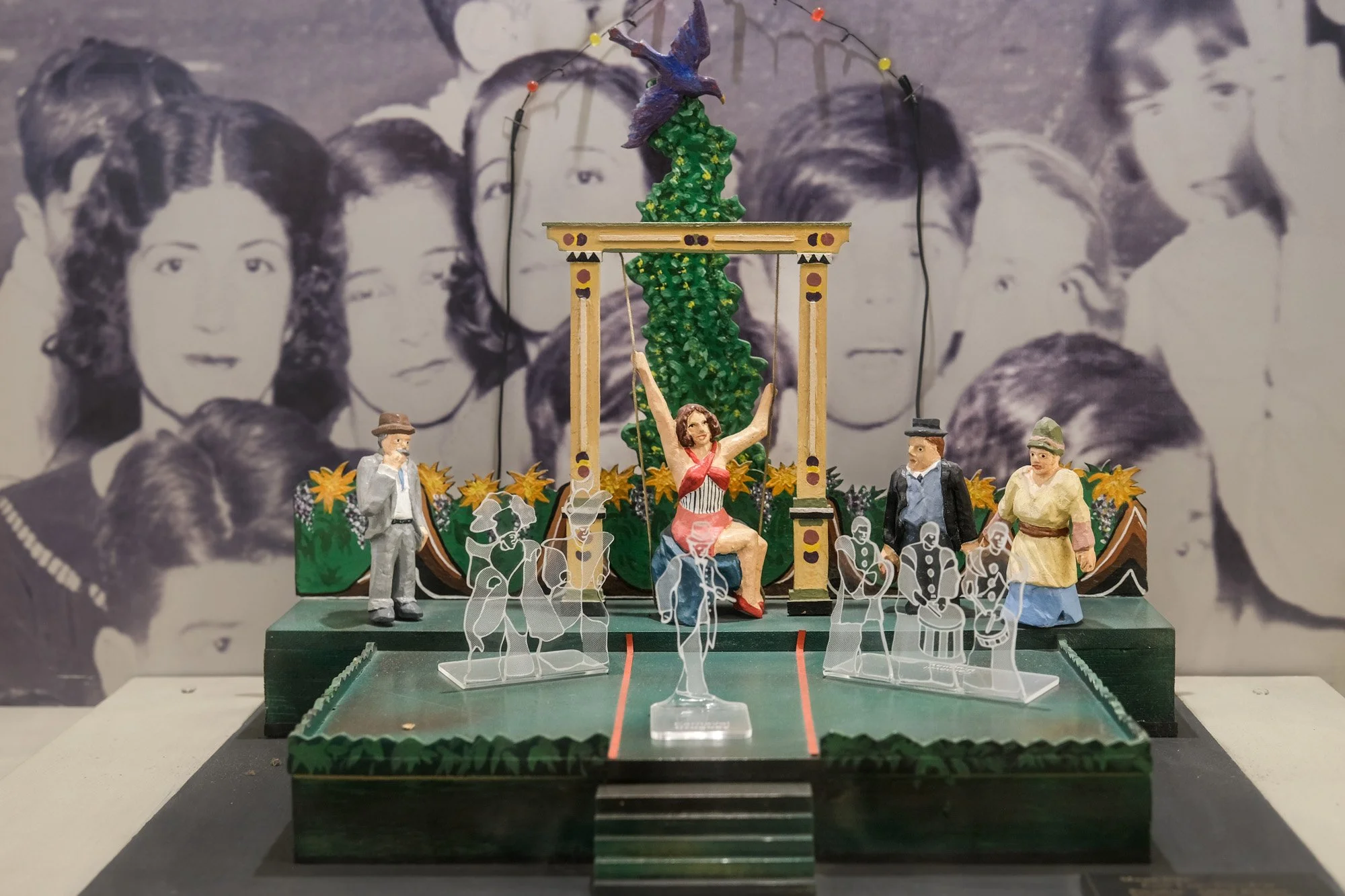
Each neighborhood set up its own elaborate stage for carnival festivity.
Since we did not have the good fortune to experience Uruguayan carnivals, the best alternative was a visit to the Carnival Museum, which is just steps away from Mercado del Puerto. The small exhibitions tell the history and evolution of the carnival traditions, and how they are traditionally centered around different neighborhoods of Montevideo. From the elaborate costumes to the country’s unique form of murga performances, Montevideo seems like a good alternative to the flamboyant chaos of Rio’s carnivals. It is actually maddening that Uruguayan carnivals are virtually unknown outside of this region.
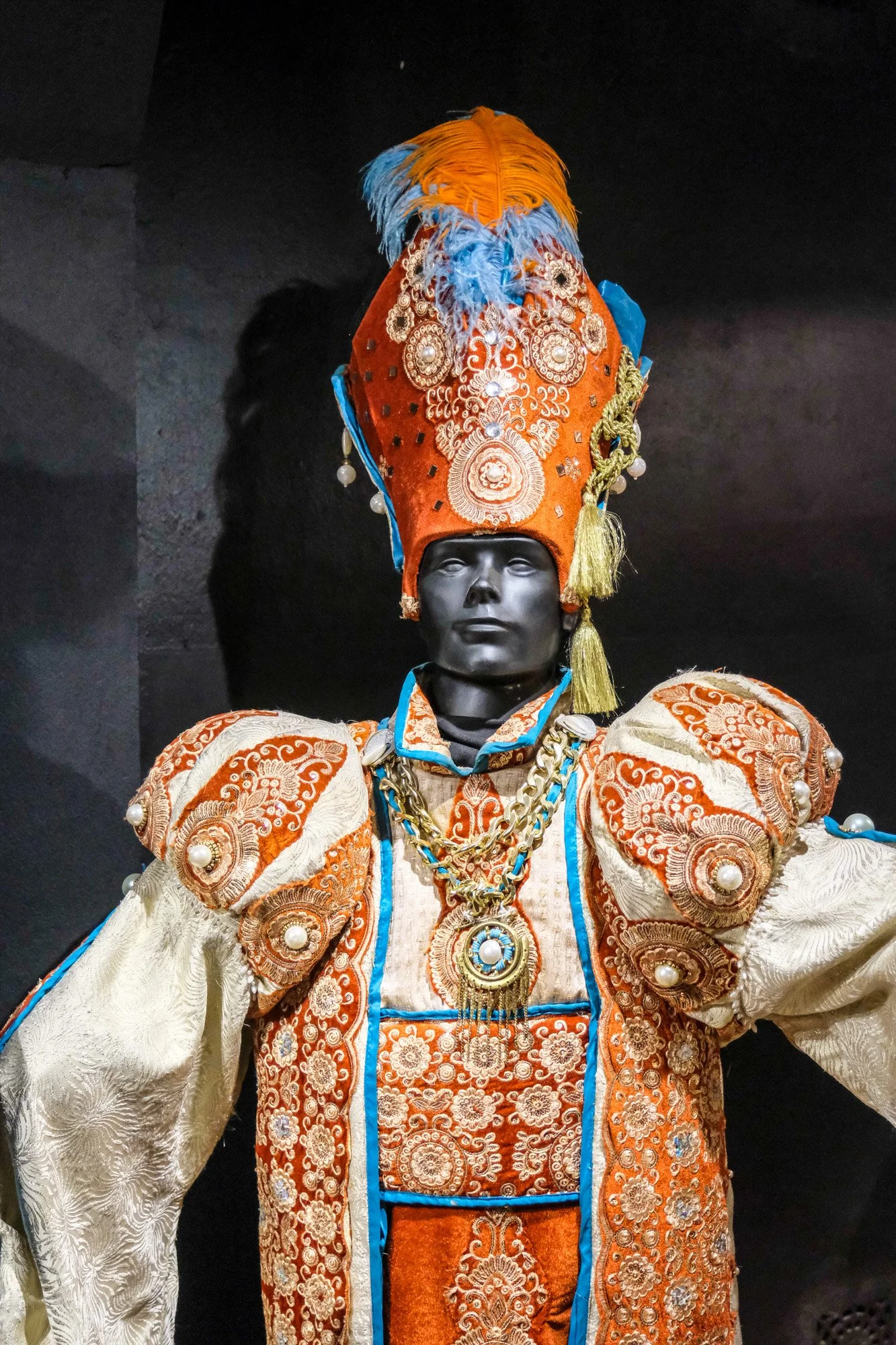
It is not a carnival without the flamboyant costume.
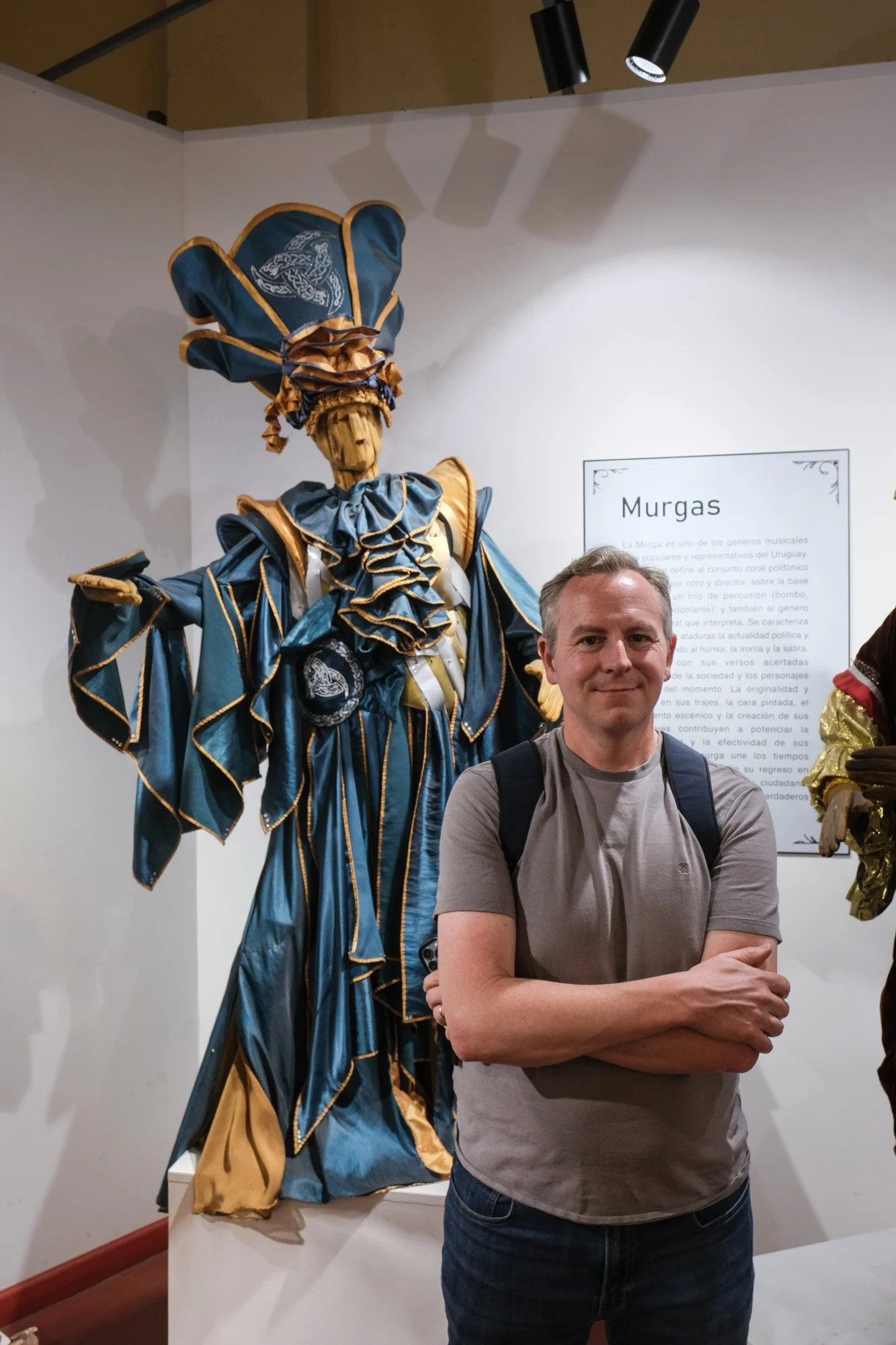
Thanksfully, Montevideo’s temperature is far less temperate than Rio’s.
For any visitors staying in Montevideo for more than a few nights, I would suggest checking the Hall of the Carnival Museum's event calendar to get a taste of Montevideo’s unique carnival traditions. Another venue for enjoying traditional music and dances is the evening session at the aptly named Baar Fun Fun. But for us, the best way to spend our quiet evening at Viti Bar de Vinos, Ciudad Vieja’s most popular wine bar. I typically don’t write much about wine, but I must do a shout-out to Uruguay’s amazing and boutique wines. It is honestly one of the best hidden secrets of South America.
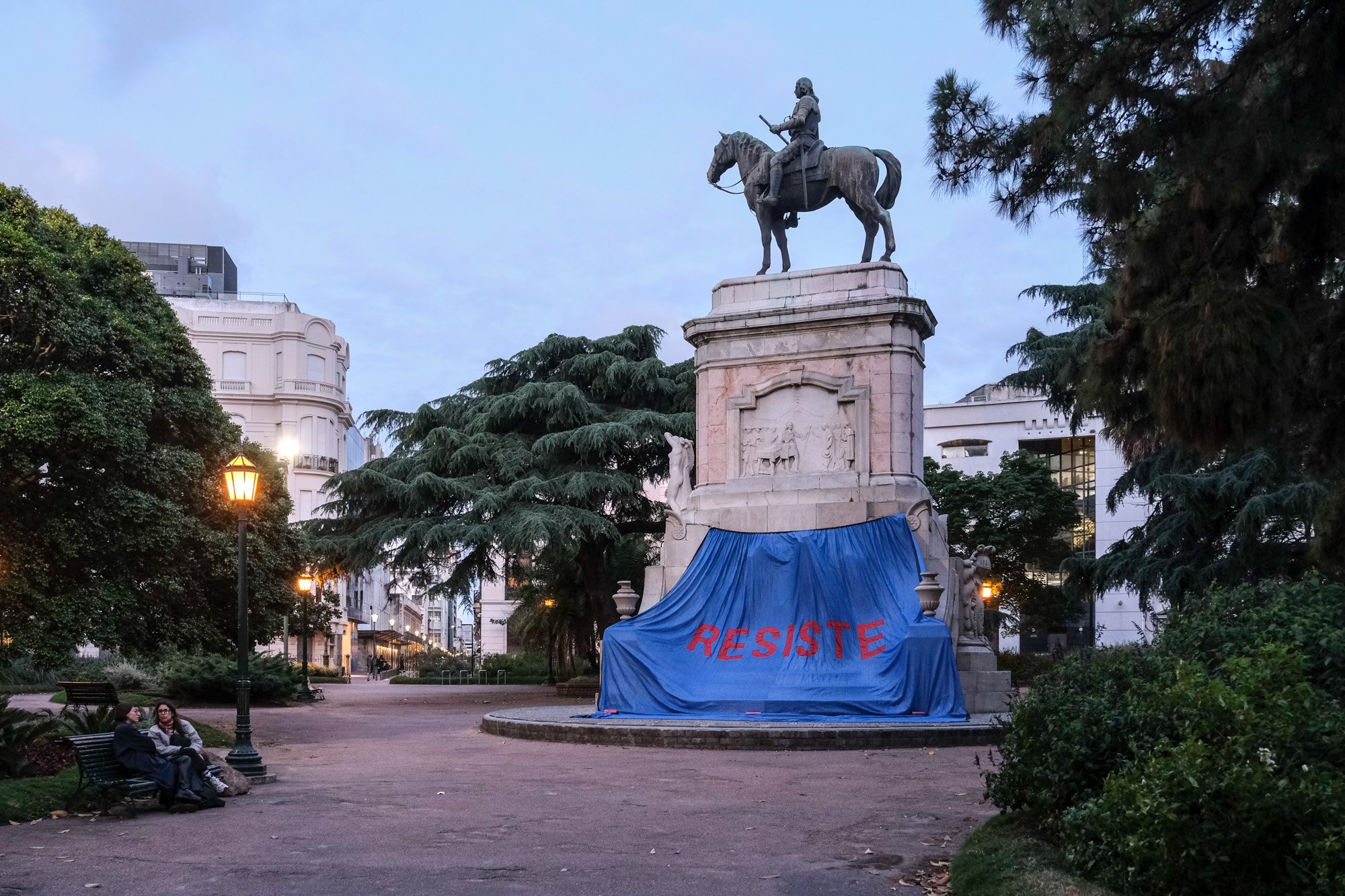
There is definitely an underlying rebellious spirit in Montevideo.
Montevideo may not be Rio de Janeiro or Buenos Aires, but it is a city that is perhaps more livable. Objectively speaking, the city is not the most photogenic or the most charming, but one can’t simply put a price on stability and security. I can’t promise we will be able to revisit Montevideo anytime soon, but I could wholeheartedly understand why it is such a desirable place to retire.