

My Impression of Uruguay
Wait… you are going to Uruguay? Where is that? Is that different from Paraguay? Of all the countries we visited in recent years, Uruguay seemed to elicit the most curious questions from friends and families. Besides football/soccer fans, few of us outside the continent ever give Uruguay much thought. Uruguay first piqued my interest when we came across an unassuming Uruguayan parrilla in Panajachel, Guatemala. We were so impressed that we started looking into the Uruguayan restaurants back in New York. So when we were looking for a quick getaway over Thanksgiving, I jumped at the chance to explore this under-appreciated nation. In this edition of “My Impression of…”, I would like to share some of my personal observations on Uruguay. As usual, these are just my personal opinions, and by no means a statement of facts. Please don’t hesitate to drop a comment.
The Coolest Name
Among all the countries within the United Nations, Uruguay probably has the most intriguing official name: the Oriental Republic of Uruguay. For Asian Americans like myself, the word “oriental” could be triggering. However, the word oriental is integral to this country’s history and identity. Before its independence, this land has always a buffer zone between great powers: the Spanish, the Portuguese, and then Argentina and Brazil. Uruguay is situated on the eastern bank of the Rio de la Plata, and its inhabitants are commonly nicknamed “the Orientals,” the people of the eastern bank of the river. The country’s founding legend was the 1825 uprisings of the Thirty-Three Orientals against the ruling Empire of Brazil.
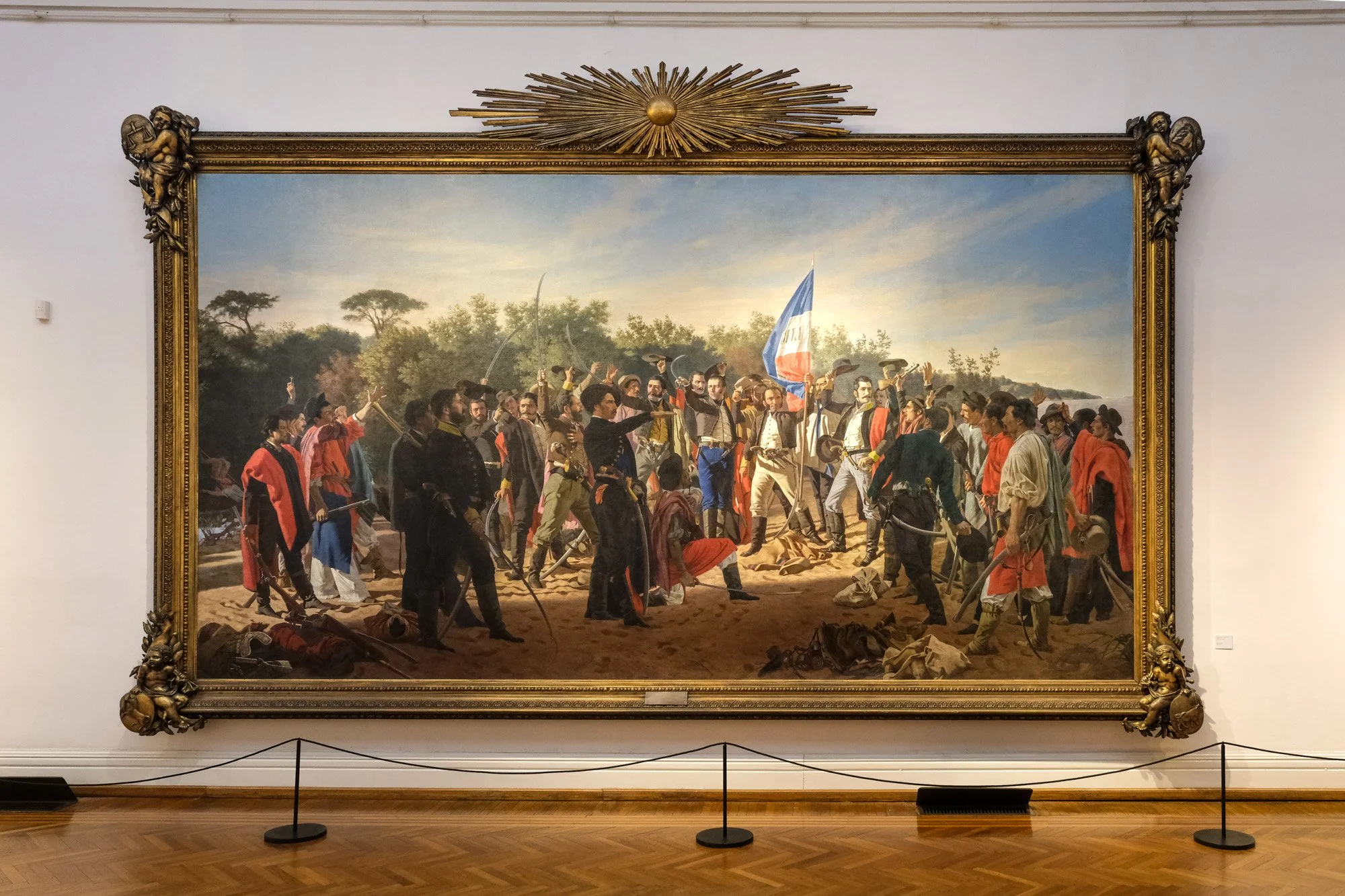
Oath of the Thirty-Three Orientals, by Juan Manuel Blanes.
During the first constitutional assembly, they originally proposed naming the country the State of Montevideo. Officially, Uruguay is not the name of the country; it is the name of the main river of the Rio de la Plata, which marks the national border between Uruguay and Argentina. In the ingenious Guaraní language, the name means the “river of painted birds”. Inevitably, the people adopted Uruguay as the country's unofficial name. Objectively speaking, I think there is something primal and evocative about the name “Uruguay”; it is definitely the coolest country name among all the United Nations member states.
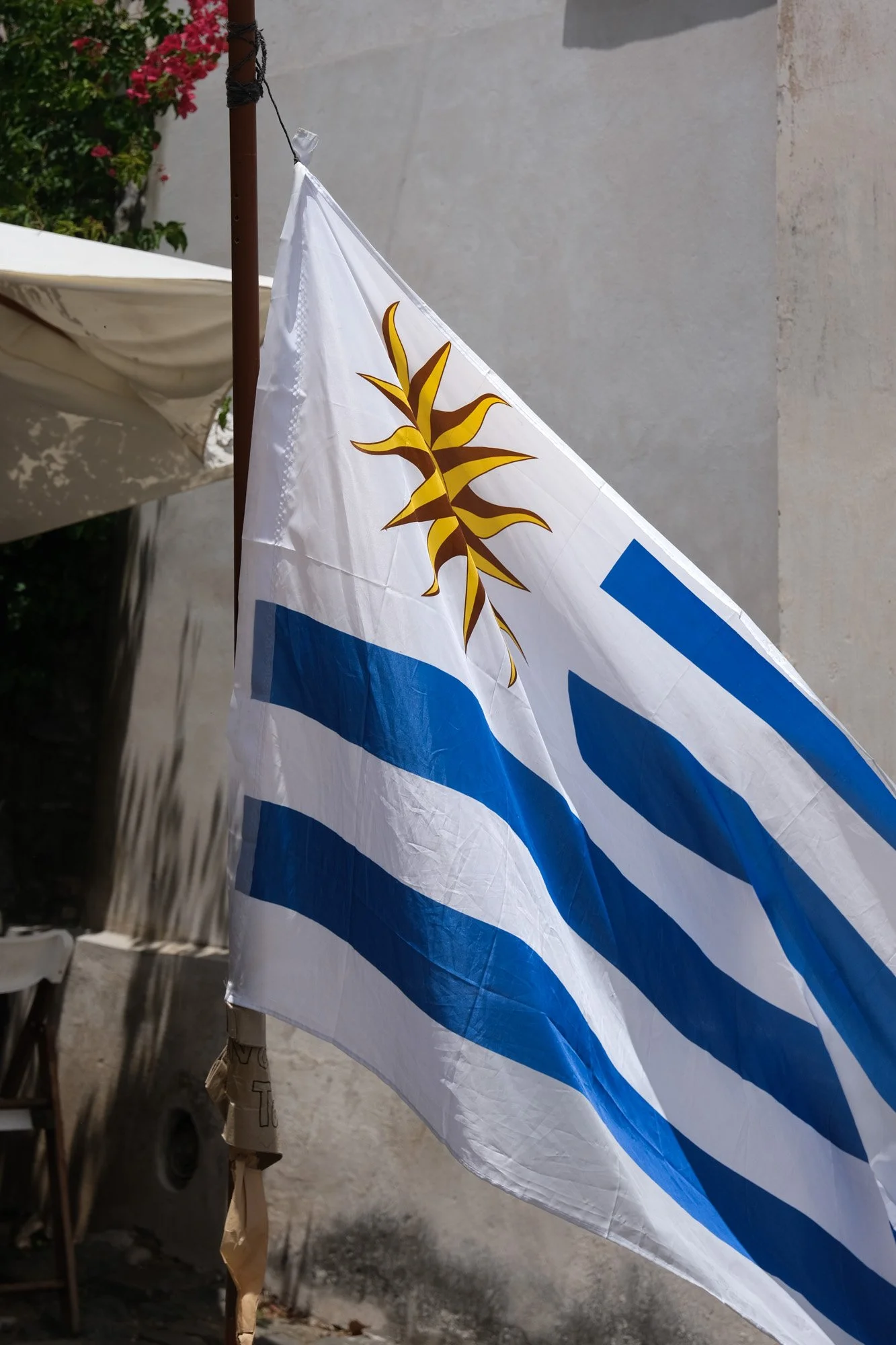
The national flag of Uruguay.
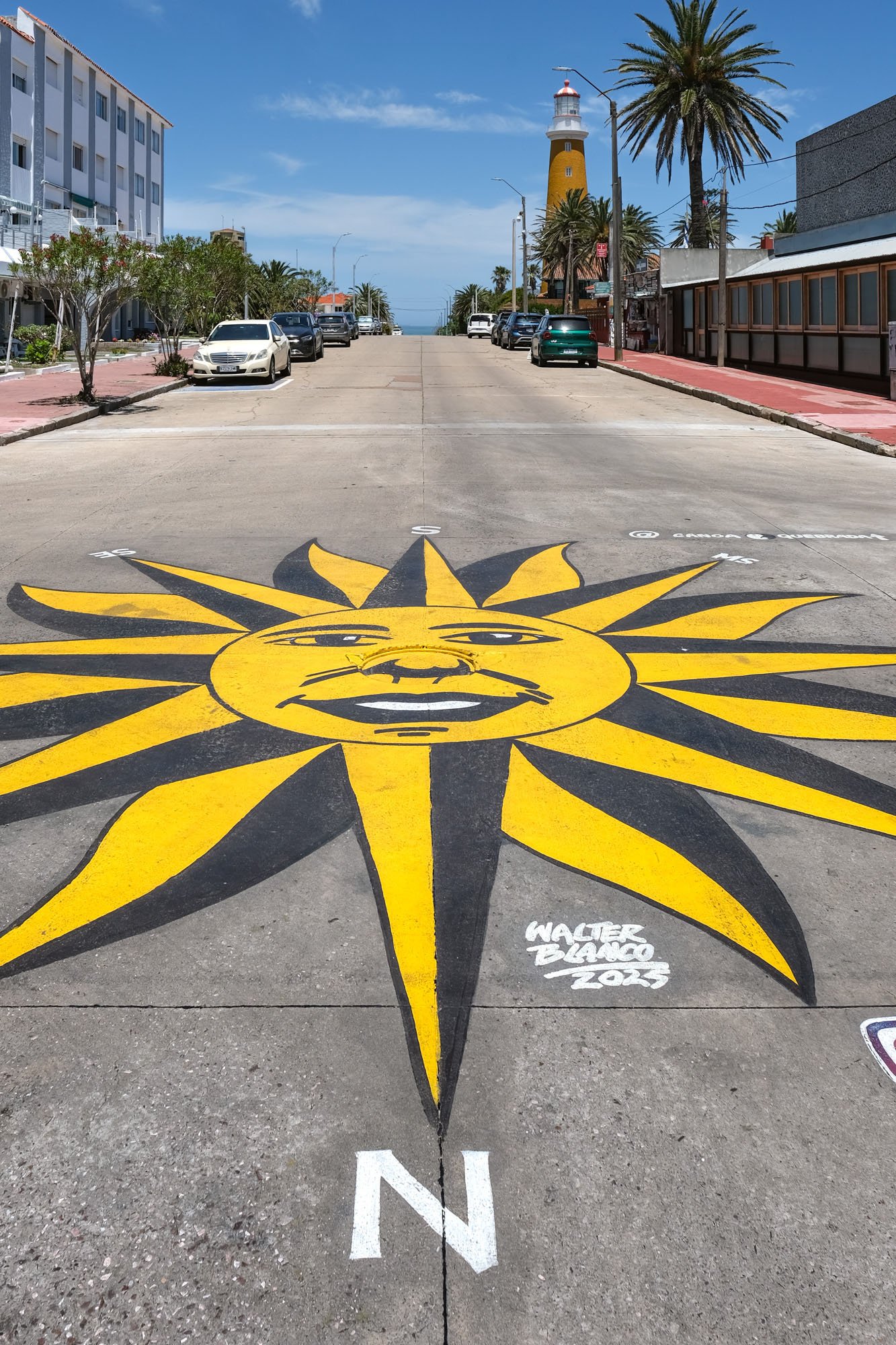
Uruguay’s version of the Sun of May is a little different from that of Argentina’s.
As a small nation, Uruguay certainly has a chip on its shoulder. Having grown up in Taiwan, I knew all too well that every mention of my country abroad could be a cause for celebration. Besides its success in the World Cup, the one famous mention was from a Simpsons episode, in which Homer Simpson made fun of Uruguay by mispronouncing it as “U-R-Gay”. While most Uruguayans don’t take offense at the joke, from my understanding, its prominence nevertheless highlights just how much of an afterthought Uruguay is for most North Americans.
It Is Expensive!
Just a few weeks after I booked our nonrefundable tickets to Montevideo, the company I worked for announced furlough for all employees. I had worked with the firm for more than twelve years, so it came as quite a shock to realize just how dire the firm’s financial condition is. Besides figuring out how to file for partial unemployment benefits, another immediate dilemma was whether we ought to go through with the two international trips Brian and I had already planned and partially paid for. Because these trips coincided with Thanksgiving and the Christmas/New Year period, the airfare was sky-high and non-refundable. After much debate, we decided to press forward with these trips.
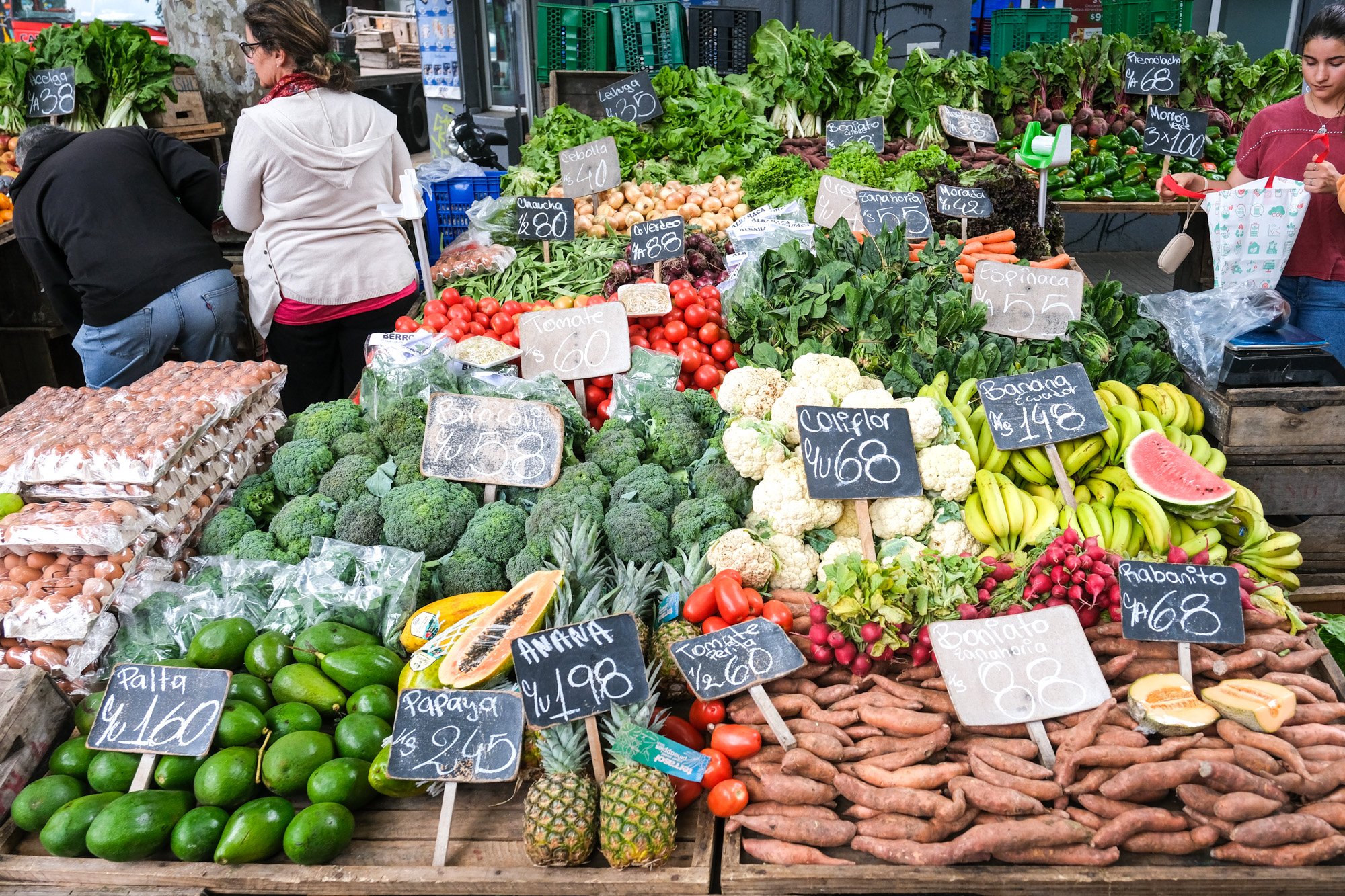
It did not take long for us to realize Uruguay was one of the worst countries to visit in Latin America, given my new financial reality. Historically, Uruguay has been the wealthiest and most developed economy in South America. Not only does Uruguay have the highest minimum wage, but its heavy reliance on imports and tariff barriers also makes it a pricey destination, especially compared to Brazil or Argentina. It may not be as expensive as Norway or Switzerland, but we were still ill-prepared by the prices in restaurants and grocery stores. For reference, a McDonald’s Big Mac costs $8.75 USD, and a small cappuccino at Starbucks costs $6.50 USD in Montevideo. The price is a hair higher than in New York City, and Uruguay adds 22% VAT to the bill. When you consider that the average salary in Montevideo is just a little over $1,000 USD a month, one wonders how average Uruguayans get by.
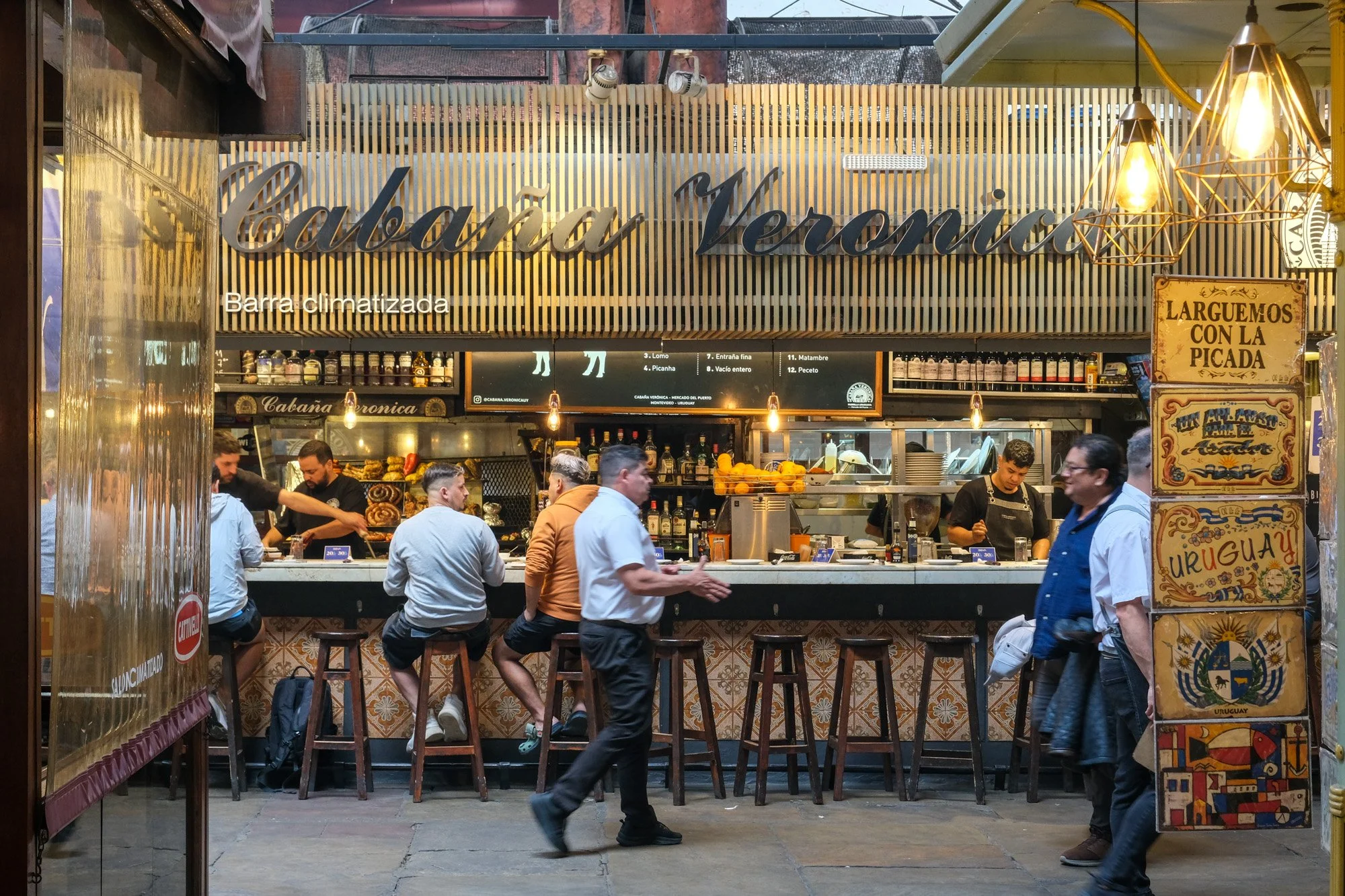
Uruguay may be pricey, but it still worth indulging on a feast of asado.
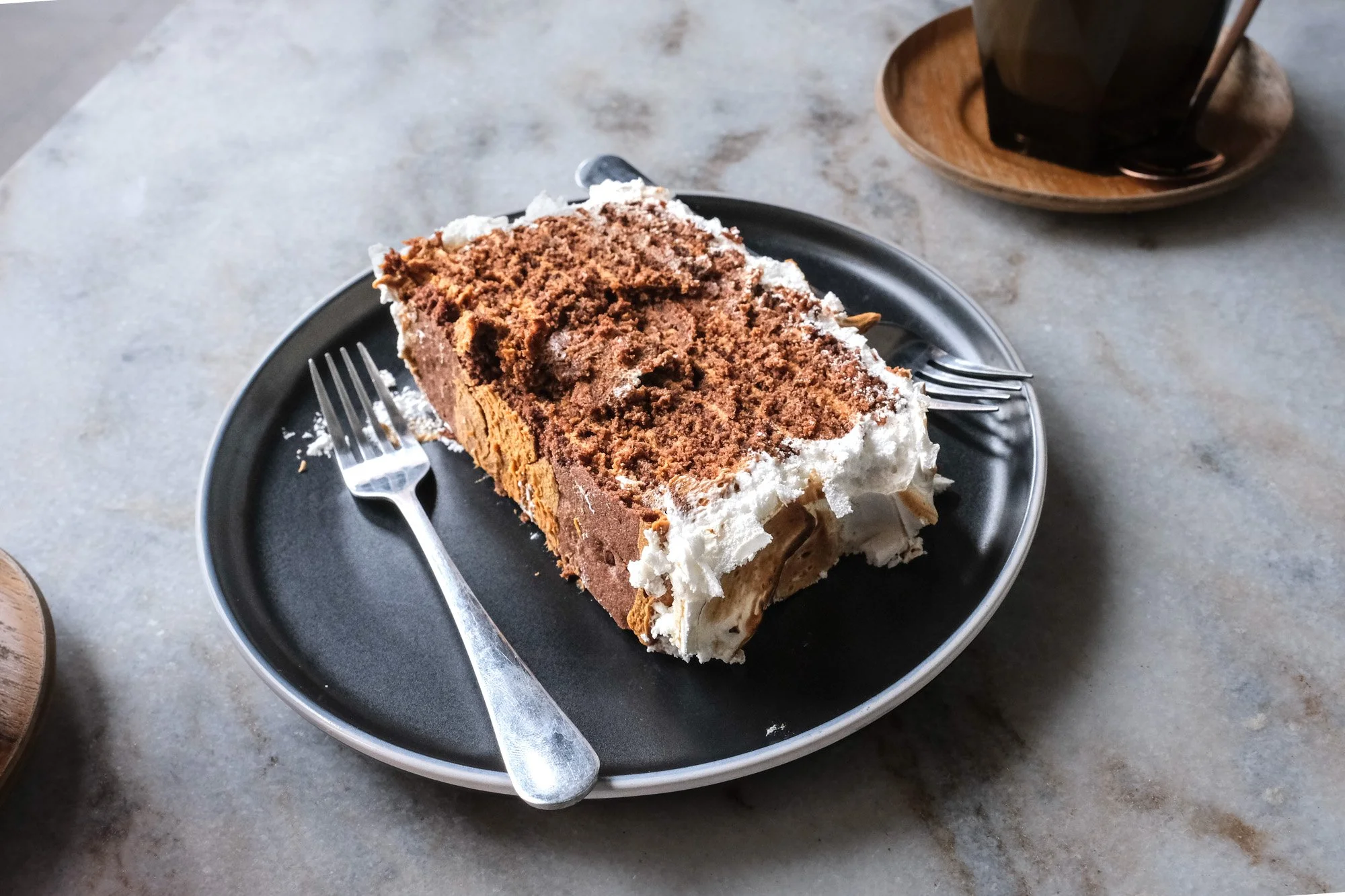
I couldn’t believe this slice of almond cake costs $5 USD at a local roadside cafe.
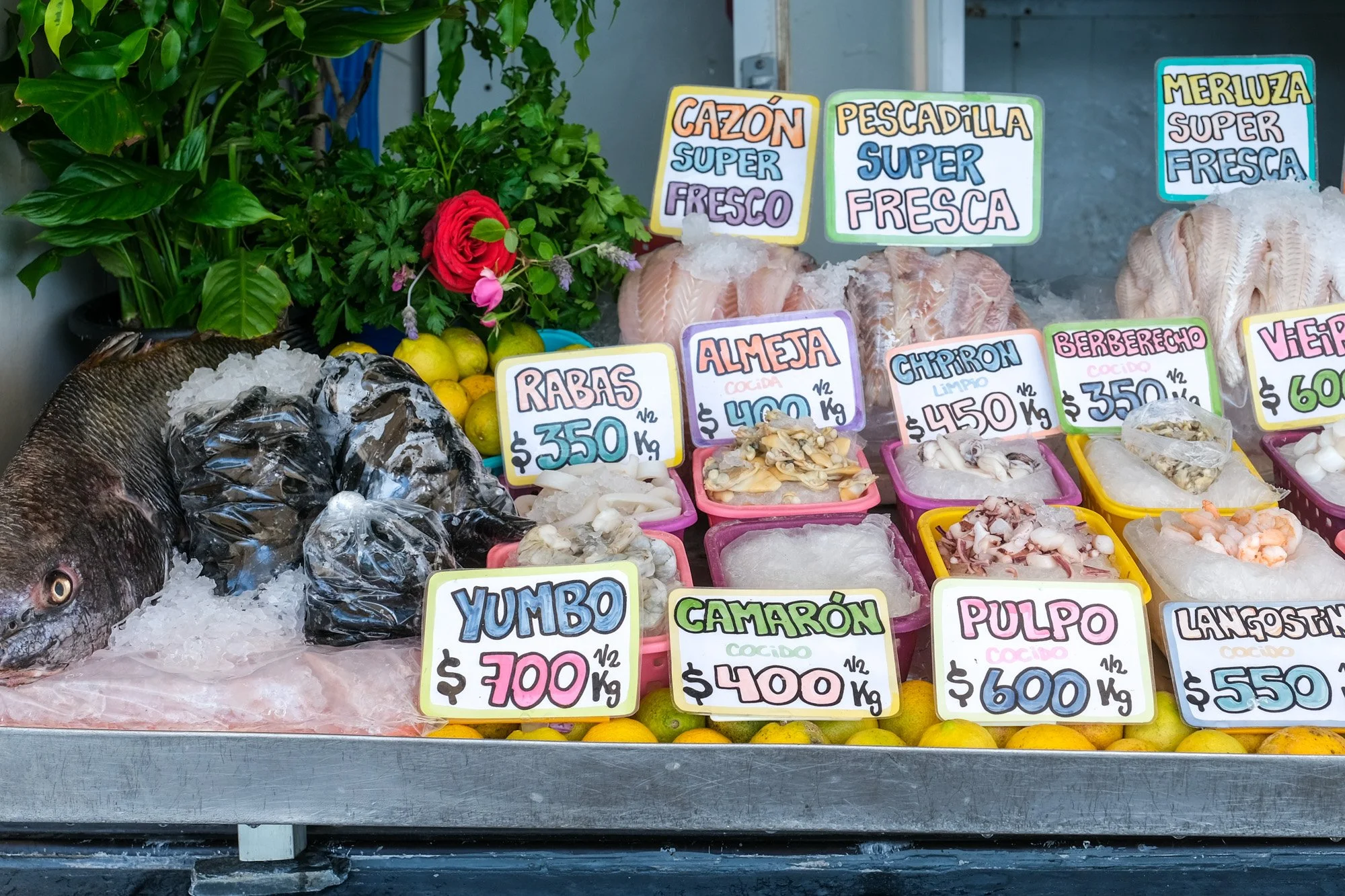
A seafood stand in Punta del Este.
Obviously, judging the cost of living by American restaurant chains is far from an accurate picture. However, we were consistently surprised by the cost of many of Uruguay’s most beloved stables. One such example was chivito, Uruguay’s national dish. Their signature steak sandwich costs around $15 USD a piece, which seems pretty standard, not just in Montevideo. Although the prices at restaurants are only a fraction of those in New York, they were still expensive enough to make me pause as I perused the menu. As a short-term visitor, I could not appreciate Uruguay’s affordable healthcare and free public college. The best value we enjoyed in Uruguay was also the country’s greatest export: world-class grass-fed beef. It may be half as expensive as in the States, but still pricey compared to Argentina or Brazil.
As a “niche” destination, Uruguay’s tourism sector is highly seasonal. The peak season was between Christmas and mid-January. Places like Punta del Este and José Ignacio are supposedly among the most dramatic in terms of price surges during the peak season. High-end resorts such as Posada Ayana and Playa Vik Jose Ignacio run upward of $2,500 USD a night. Fortunately, the country is not densely populated, meaning over-tourism is hardly an issue in Uruguay. It is not too difficult to find your own patch of paradise here.
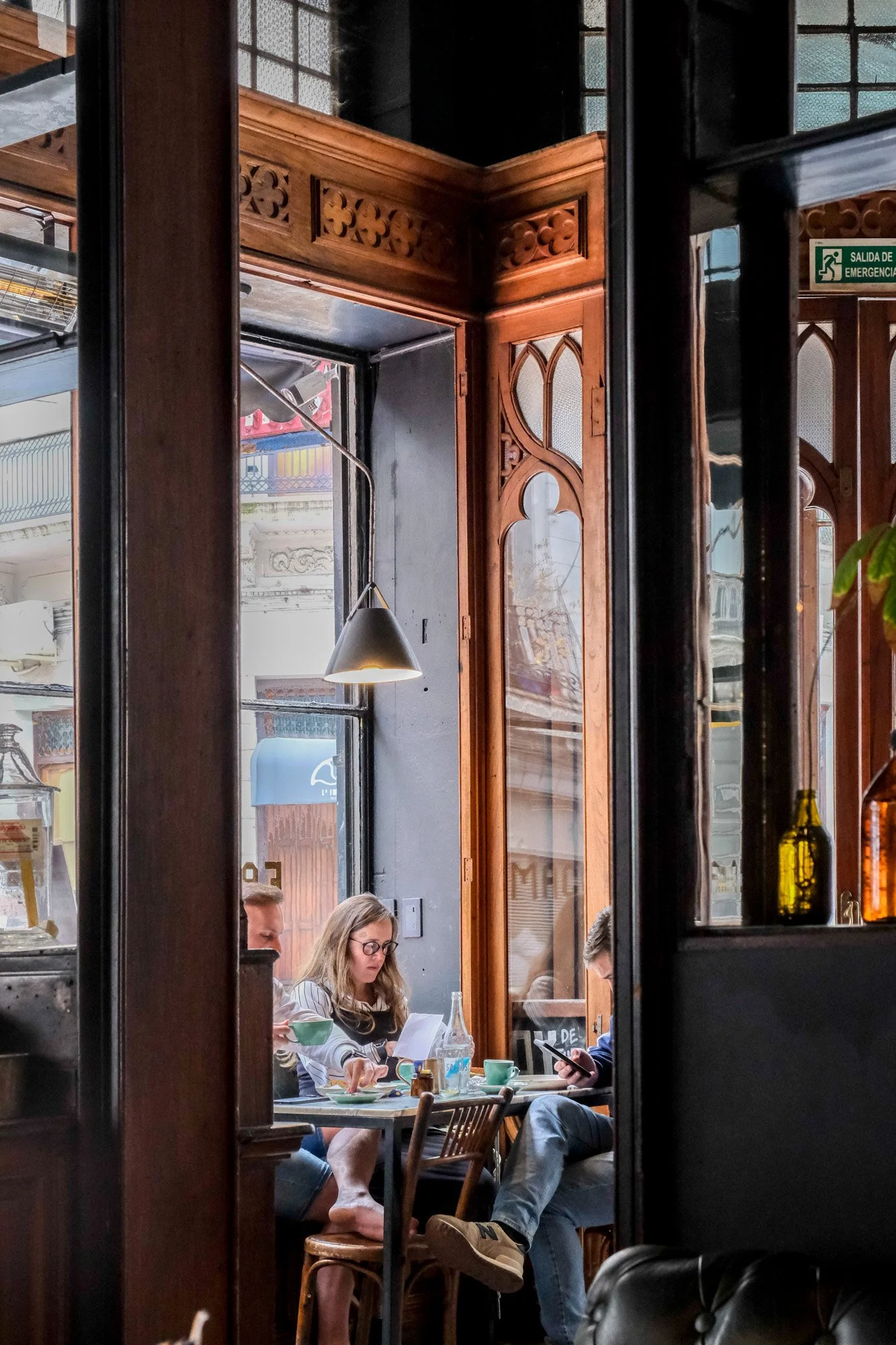
Cafe La Farmacia in Montevideo.
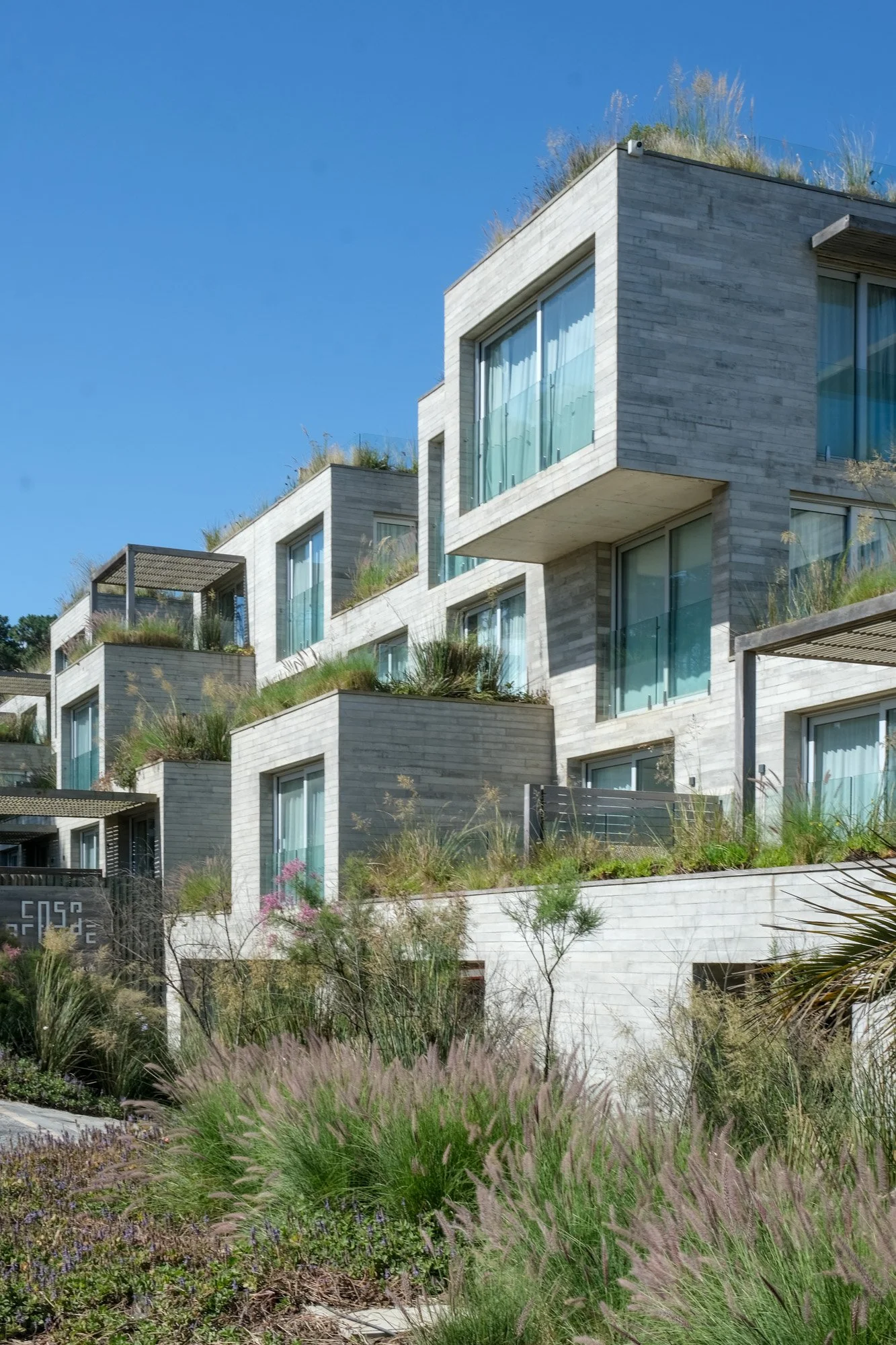
José Ignacio is said to have one of the most insane peak-season pricing in the world.
Uruguay may be expensive, but the government was doing its best to attract foreign tourists. Foreigners residing outside Uruguay are exempt from hotel VAT upon showing their passports. Those carrying foreign-issued credit cards receive 9% discount on VAT at restaurants and supermarkets. VAT refunds for foreign visitors may be common around the world, but this was the first time I had come across a country that voluntarily provides tax exemptions in such a frictionless manner. Even more intriguingly, any merchants in Uruguay even offers VAT discount for those paying by credit or debit card. That was certainly counter-intuitive from the North American perspective.
Yerba Maté Mania
Outside of South America, Yerba Maté is hardly a beverage you hear much about. This highly caffeinated drink originated from the indigenous community of present-day Paraguay and is popular across Argentina, Uruguay, Paraguay, and southern Brazil. However, Uruguayans are particularly known for their love, some would say addiction, to Yerba Maté. While Argentinians are also known for their high consumption, the average Uruguayan consumed 22 pounds of mate per year, double that of Argentinians. In addition, Uruguayans also made Yerba Maté a central element of national identity and social life.
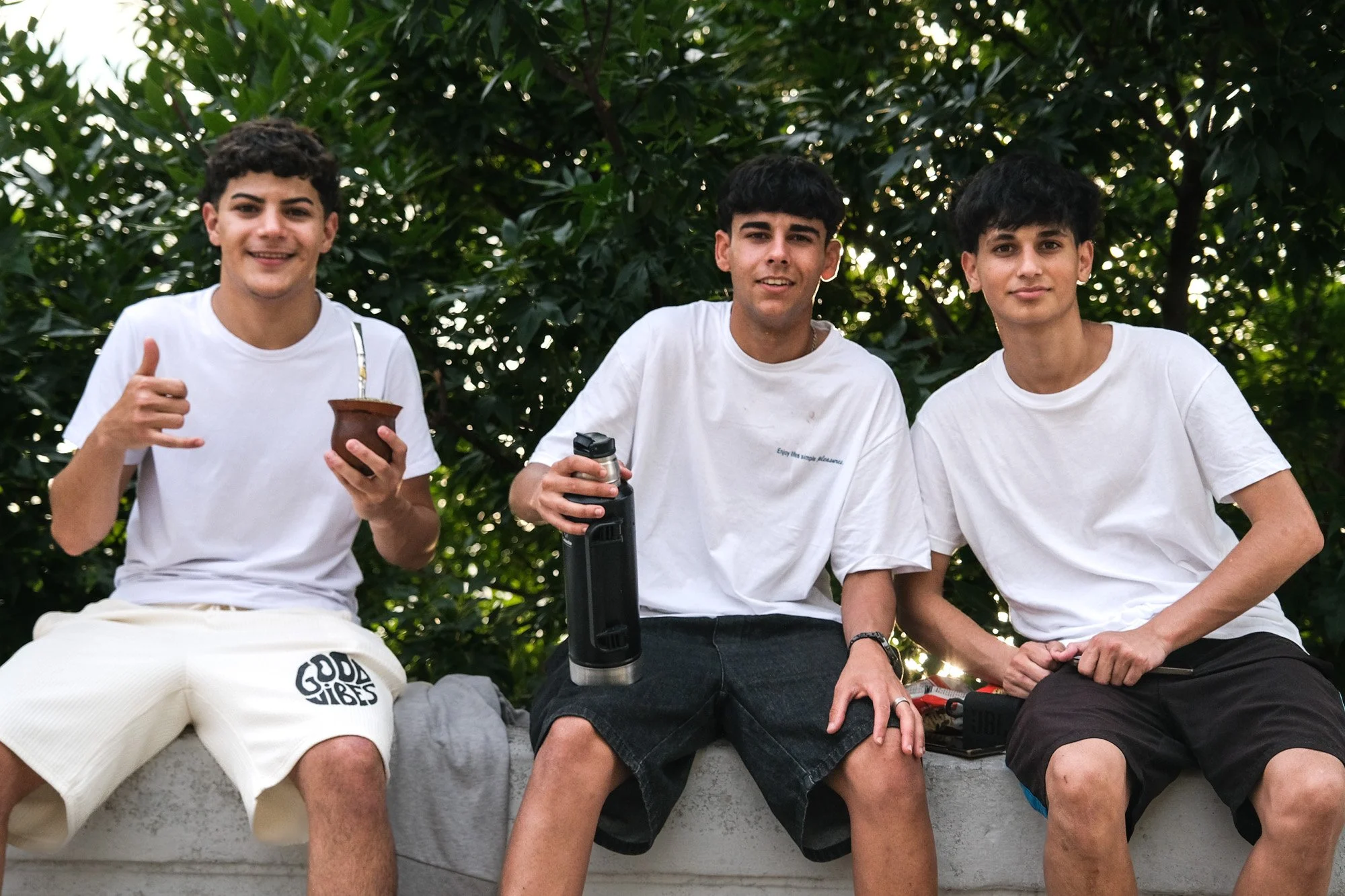
Yerba maté is immensely popular across all generations.
No matter where you go in Uruguay, you can see people carrying around their maté cups and thermal vacuum flasks under their arms. The popularity of maté cut across gender, age, and social class. From friendly gatherings in the park to the parliamentary sessions at the national legislature, the visibility of maté gears in the public sphere is unique to Uruguay. After our first day, I made a habit of assessing what percentage of Uruguayans on the street had their maté gear in hand. Based on my unscientific observation, as many as one in four Uruguayans carry them out and about. The most popular form of socialization is sharing maté among friends. Being invited into a maté circle is a privilege that visitors should not pass up.
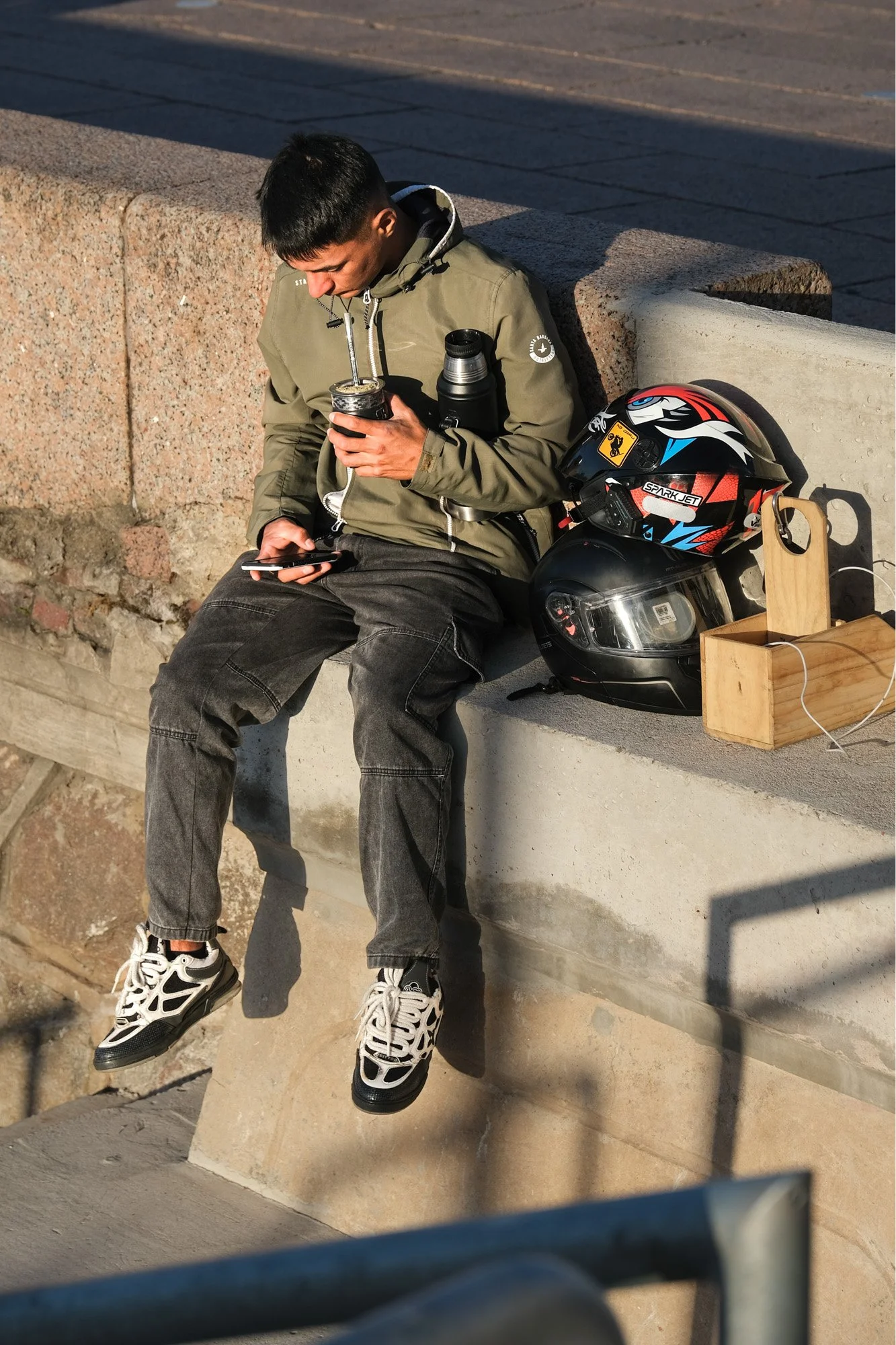
Yerba maté is the omnipresence of this trip.
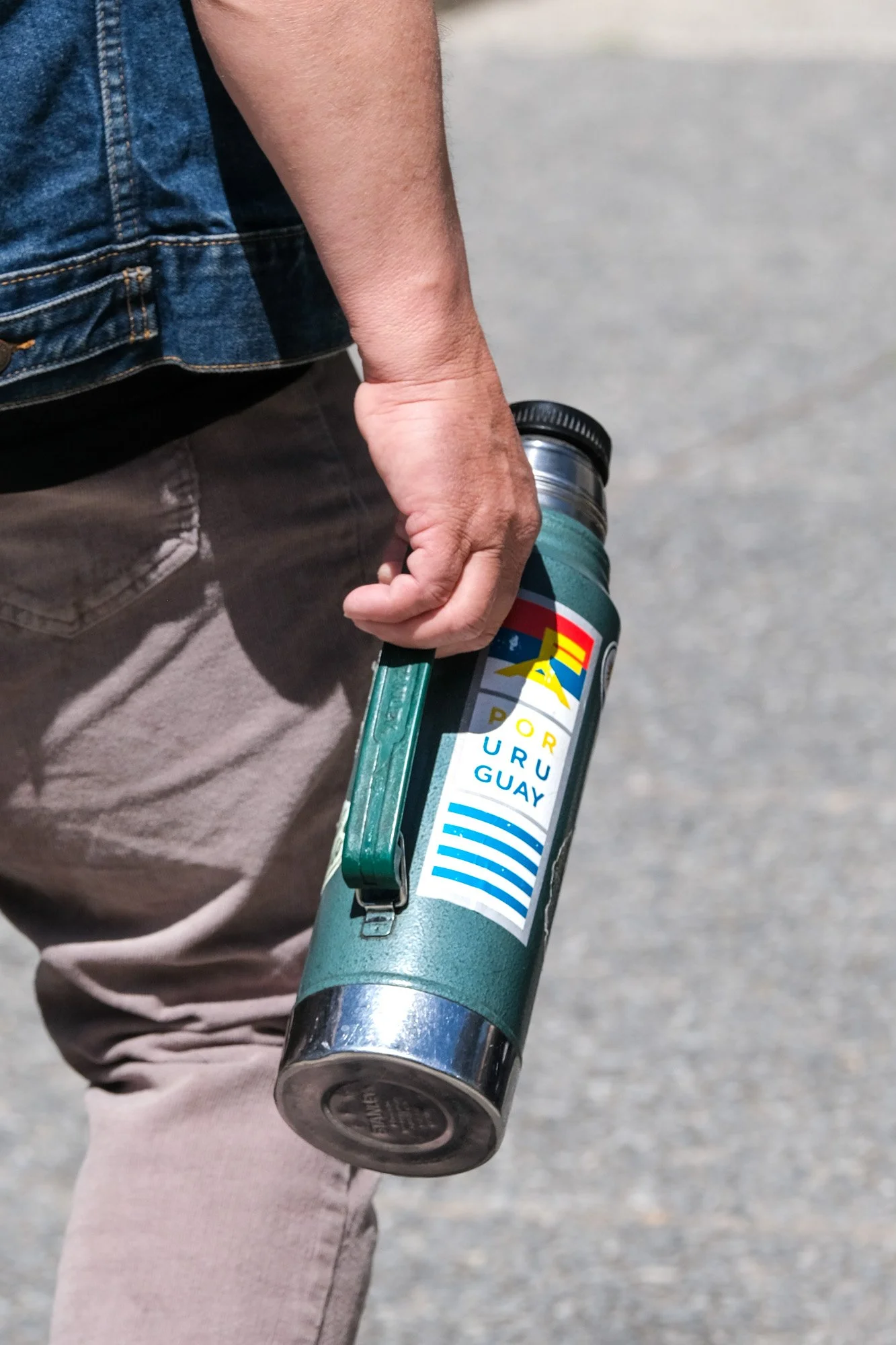
Carrying the maté gears in public is said to be one of the easiest ways to identify a Uruguayan.
While young people in Vietnam, the United States, or Mexico might prefer a pint of beer, Uruguayans primary drink of choice would certainly be maté. I can’t help but wonder whether alcohol or coffee consumption is lower than in comparable countries. For whatever reason, people here seem gentler and more laid-back because of their thermos and maté cups. Unlike alcohol, maté certainly does not incite violence or “anti-social” behaviors. Uruguayans’ love for the drink makes maté gear the best souvenir visitors could buy here. Traditionally, the cup is made of a gourd and wrapped in leather, and the drink is consumed with a metal drinking straw; it is strong. In addition to the cups, fancy maté carriers are functional and could easily be works of art in their own right.
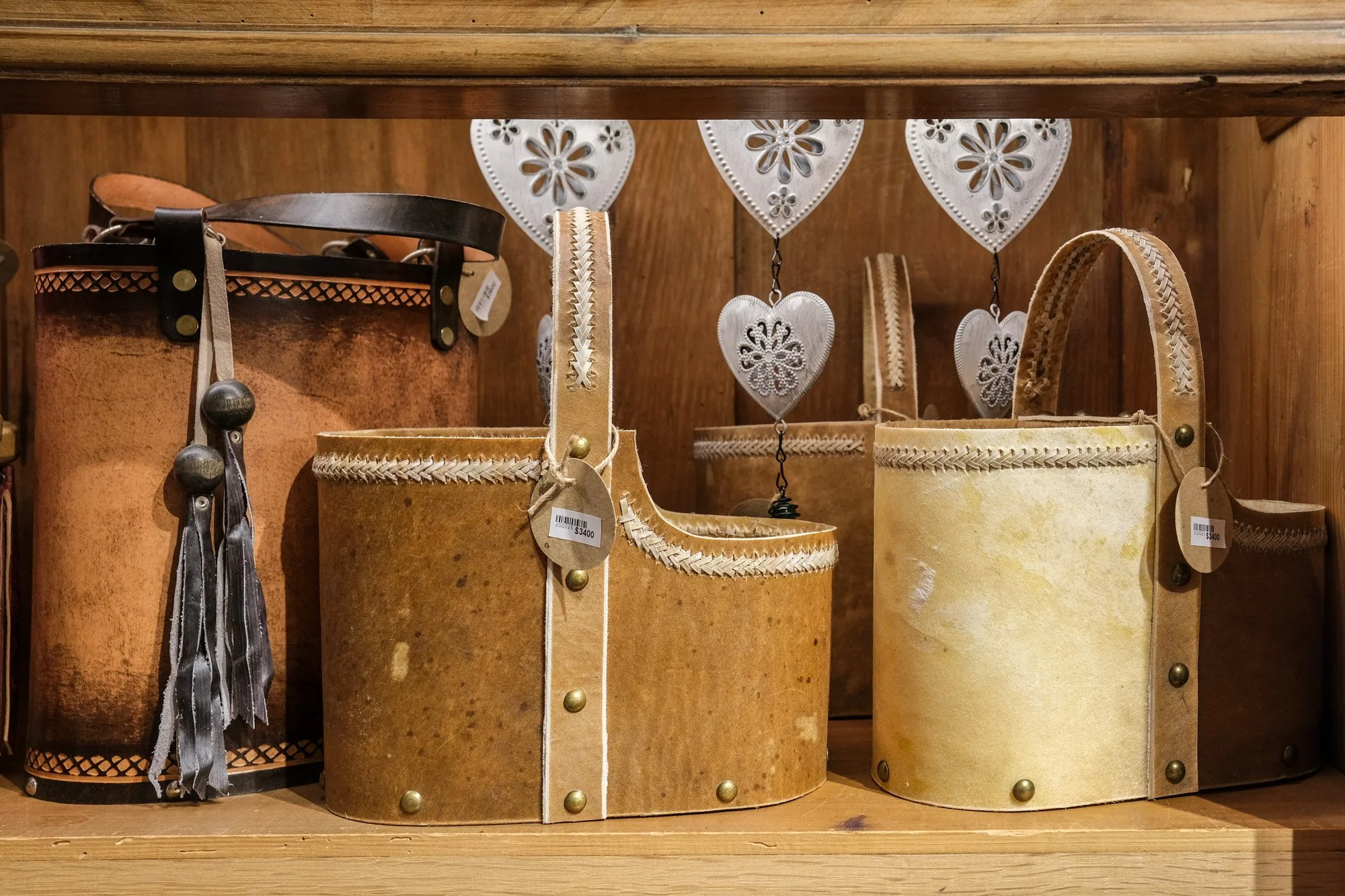
Fancy maté gears are sold not just in tourist shops.
Although the maté gears and the maté leaf itself are readily available in shops and supermarkets, tourists are often shocked to learn that the drink is rarely available in restaurants or cafes. One of the most commonly asked questions on walking tours here is how foreign visitors can partake in Uruguay’s maté culture. According to our tour guides, there are only two cafes in Montevideo that have maté on their menus. I have read you are more likely to find maté at Argentine (or Uruguayan) restaurants in Europe than in Motevideo. I just found that fascinating.
The Europe of South America
Among all the countries in Latin America, Uruguay has the lowest percentage of its population who are indigenous. As a buffer zone between empires, Uruguay has historically been a nation of immigration. The main wave of mass immigration occurred during the colonial era, with the majority of immigrants coming from Europe. Today, nearly nine out of ten Uruguyans identify as of European descent. The largest groups would be Spaniards and Italian. Similar to Chile and Argentina, these immigrants arrived as the “frontier” of the empire and brought with them the ethnic culture of their motherlands. These ethnic identities live on to this day.
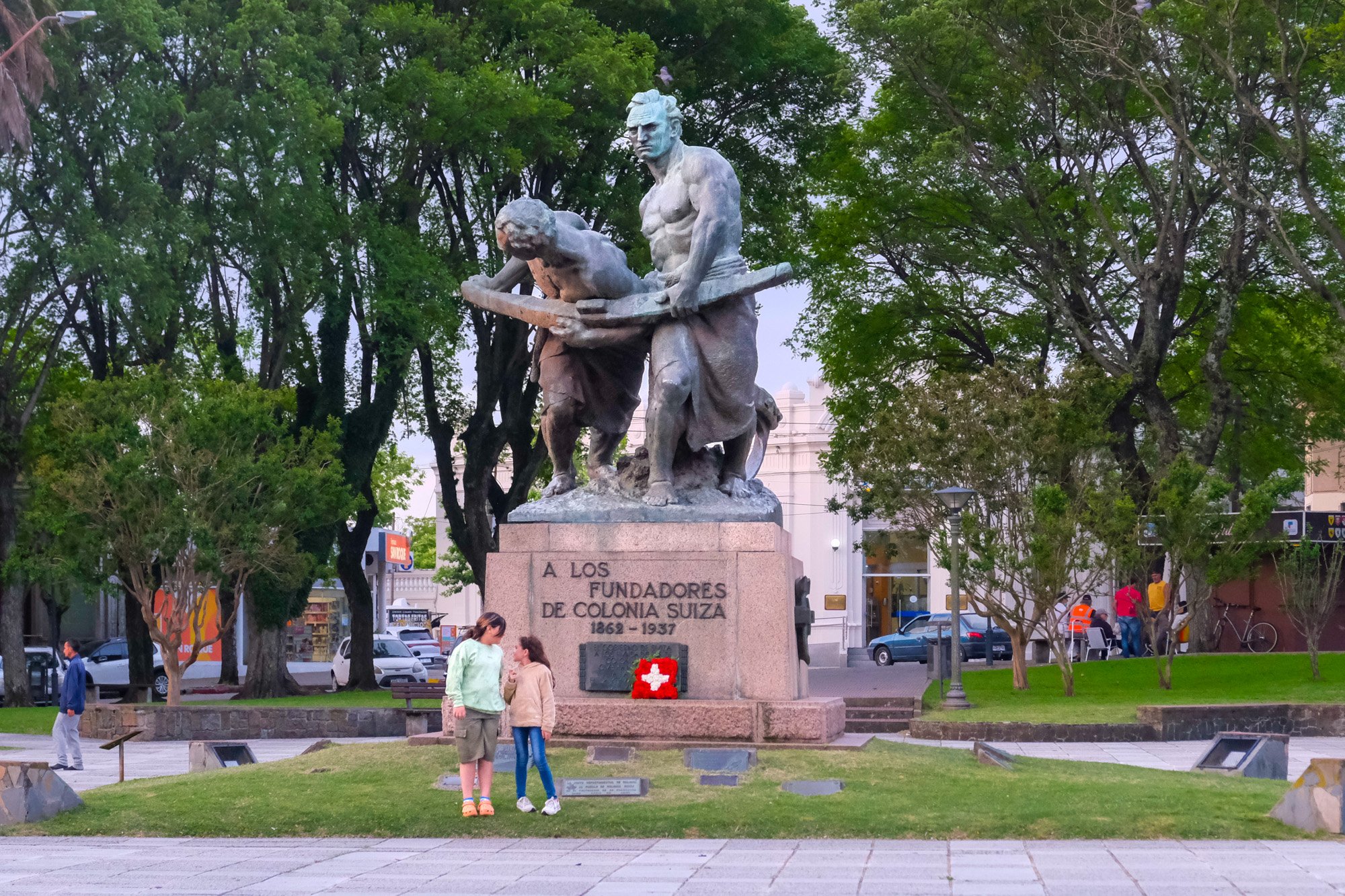
Monument to the Founders in Nueva Helvetica.
One of the most off-beaten path place we visited on this trip was the town of Nueva Helvetica, or New Switzerland. I first heard of this place through a video on the YouTube channel called Rare Earth. In the mid-19th century, Switzerland was stricken by poverty, prompting many to seek better prospects in the Spanish Empire's frontier. Uruguay’s vast pampas and booming livestock and dairy industries offered plenty of employment and opportunities to escape starvation. The meatpacking plant in Fray Bentos, one of the world’s largest at the time, was a prime example of Uruguay’s draw. Although few residents of today’s Nueva Helvetica speak the languages of their forefathers, they still take pride in preserving their cultural heritage through monuments, plaques, and culinary traditions.
Walking around Montevideo, it is easy to forget we were in South America. At first glance, the country’s light complexion and European orientation seem to suggest that Uruguay is a convenient European transplant to Latin America; it was as if the European immigrants arrived here on an unspoiled land. One of the most shameful chapters of Uruguayan history was the genocide of Charrúa, the indigenous people of the land that is modern Uruguay. In 1831, the Uruguayan Army carried out a brutal eradication campaign against them under President Fructuoso Rivera. The campaign is known as the Massacre of Salsipuedes, which translates to “get out if you can” in Spanish.
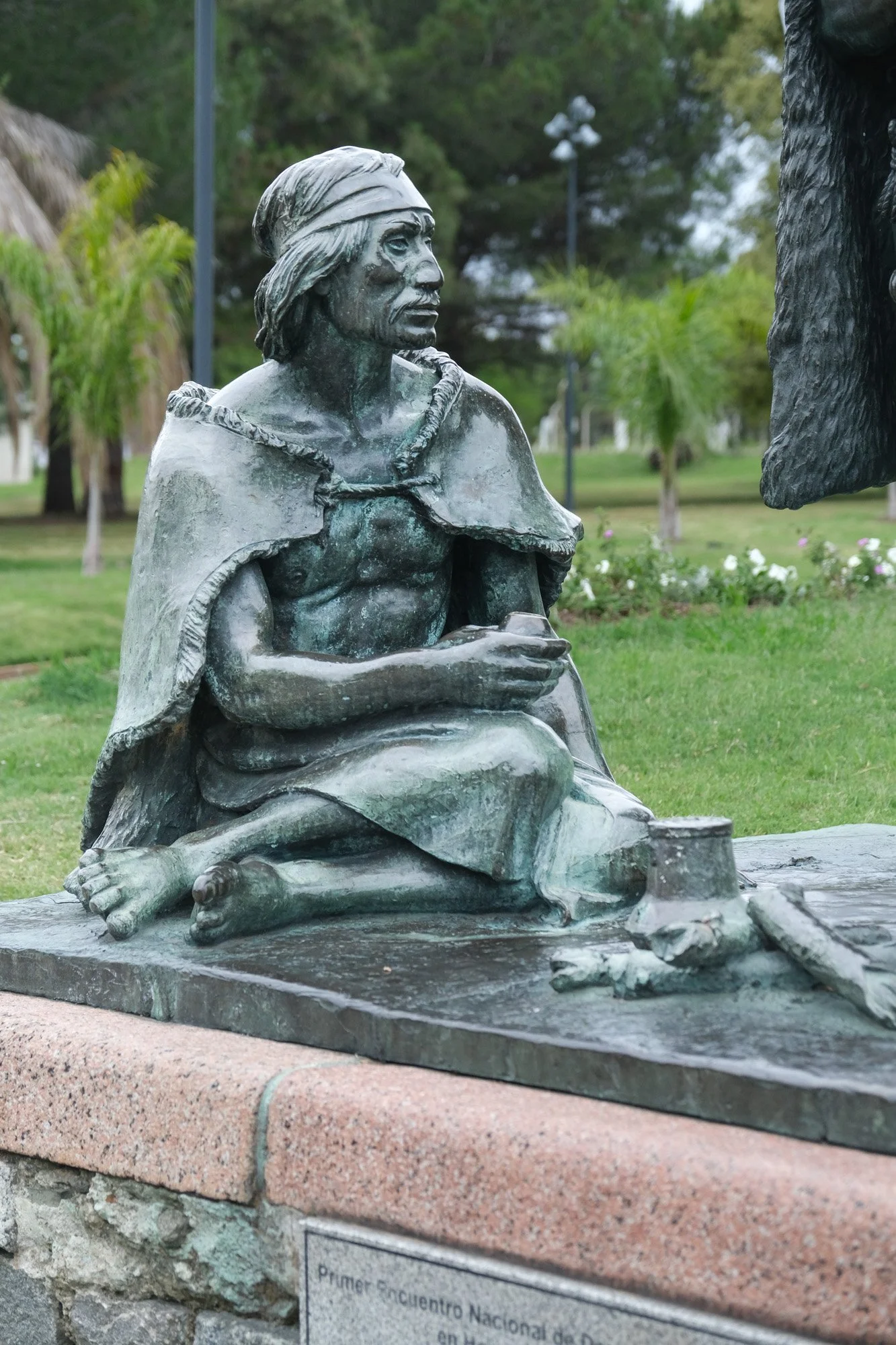
The Last Charruas Monument at Montevideo’s Prado Park.
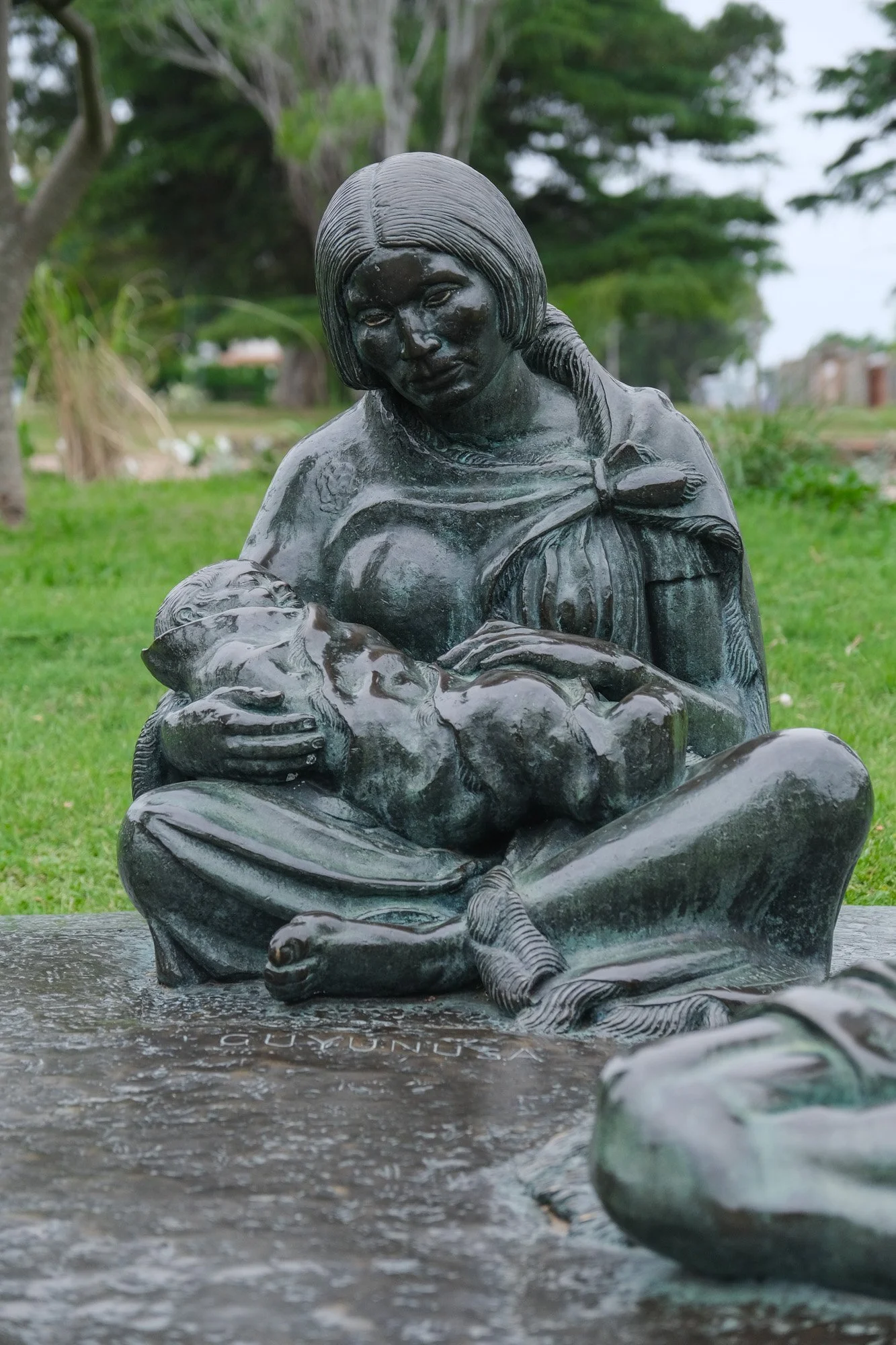
The Last Charruas Monument at Montevideo’s Prado Park.
According to the official record, the massacre killed forty, and three hundred Charruas were taken to Montevideo to be sold as slaves. However, the Uruguayan government was quick to proclaim that the Charruas had been exterminated and therefore the erasure of the Charruas’ identity from public consciousness. The “extinction” of the Charruas became a political narrative, but the reality is far more nuanced. Many Charruas fled to neighboring Brazil and Argentina. Among the Charrúas prisoners, four were taken to Paris to be exhibited in a human zoo and were marketed as the “Last Charrúas”. They became quasi-famous in their own right, but all four perished within a year of their arrival in France.
Today, the plights of the Charrúas people were memorialized by a bronze monument to the “Last Charrúas” in Montevideo’s Prado Park. Although Uruguay was quick to proclaim its extinction, the blood of the Charrúa managed to live on both within and beyond their homeland. Recent studies suggest that roughly one in three Uruguayans has Charrúa ancestry. Nearly two hundred years after the massacre, it’s ironic that modern Uruguay seems to regard the Charrúas as a mythical race known for their bravery against enemies.
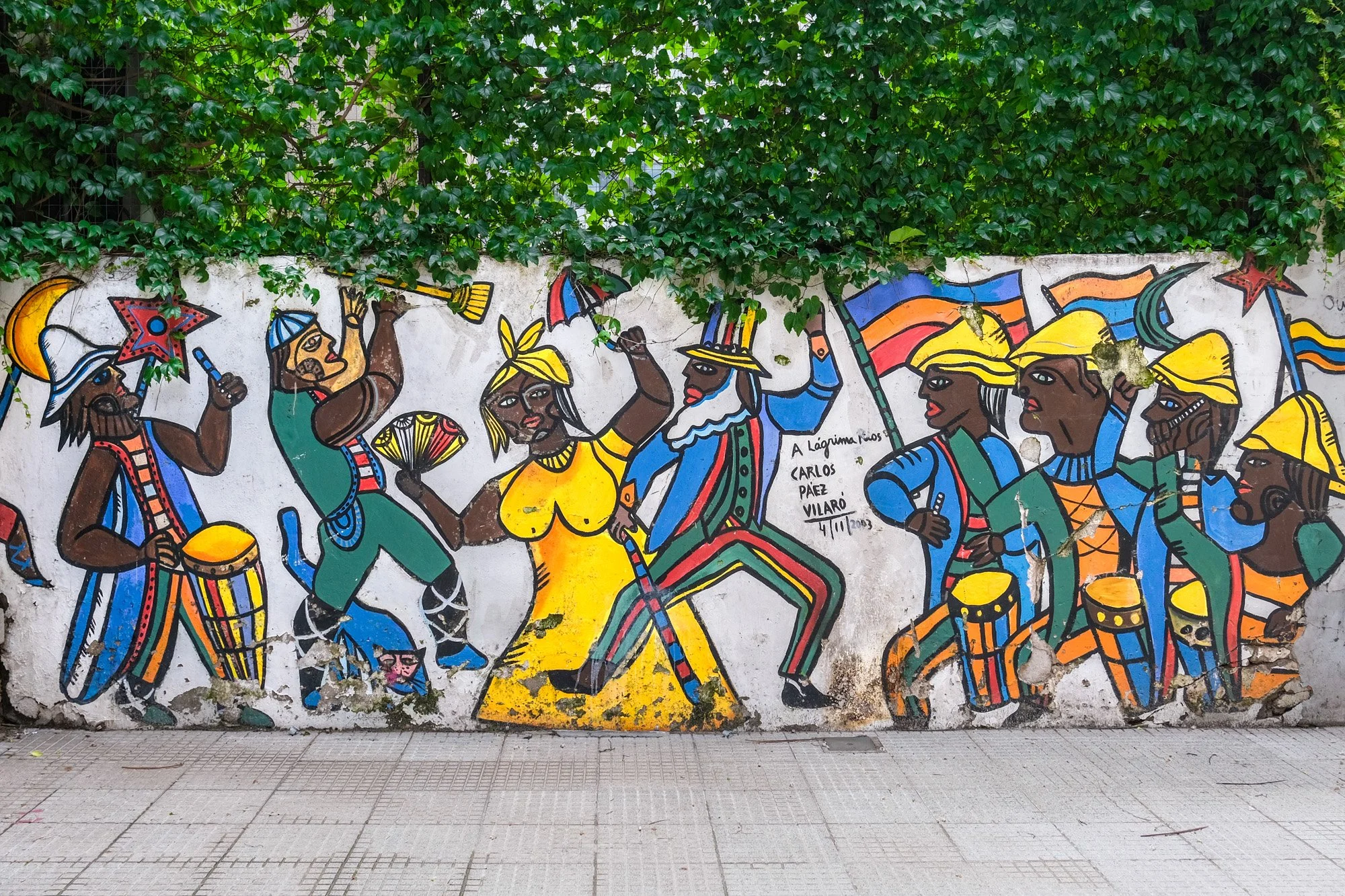
The contributions of Afro-Uruguayans are often overlooked.
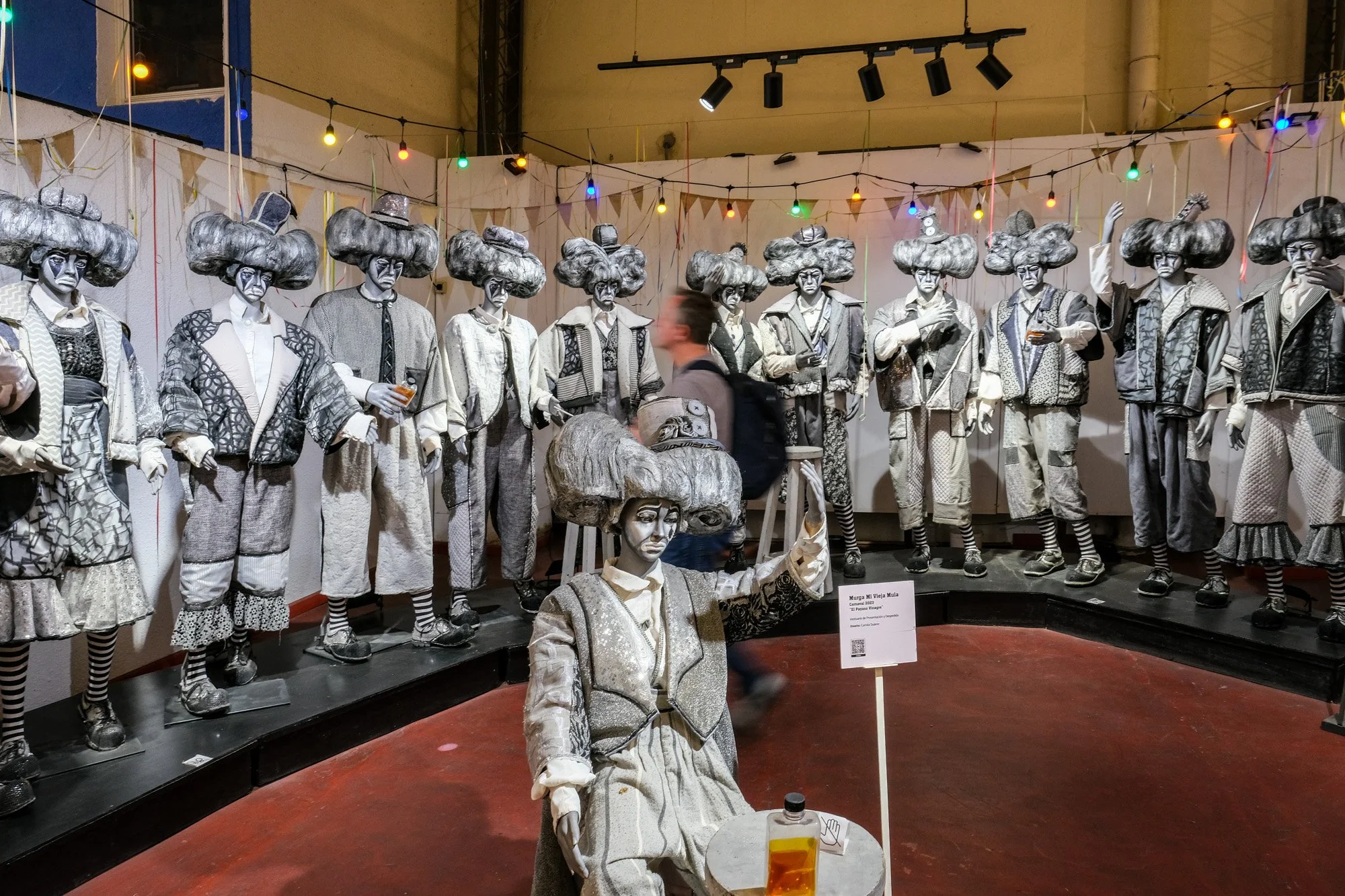
Montevideo is said to have the world’s longest carnival celebration.
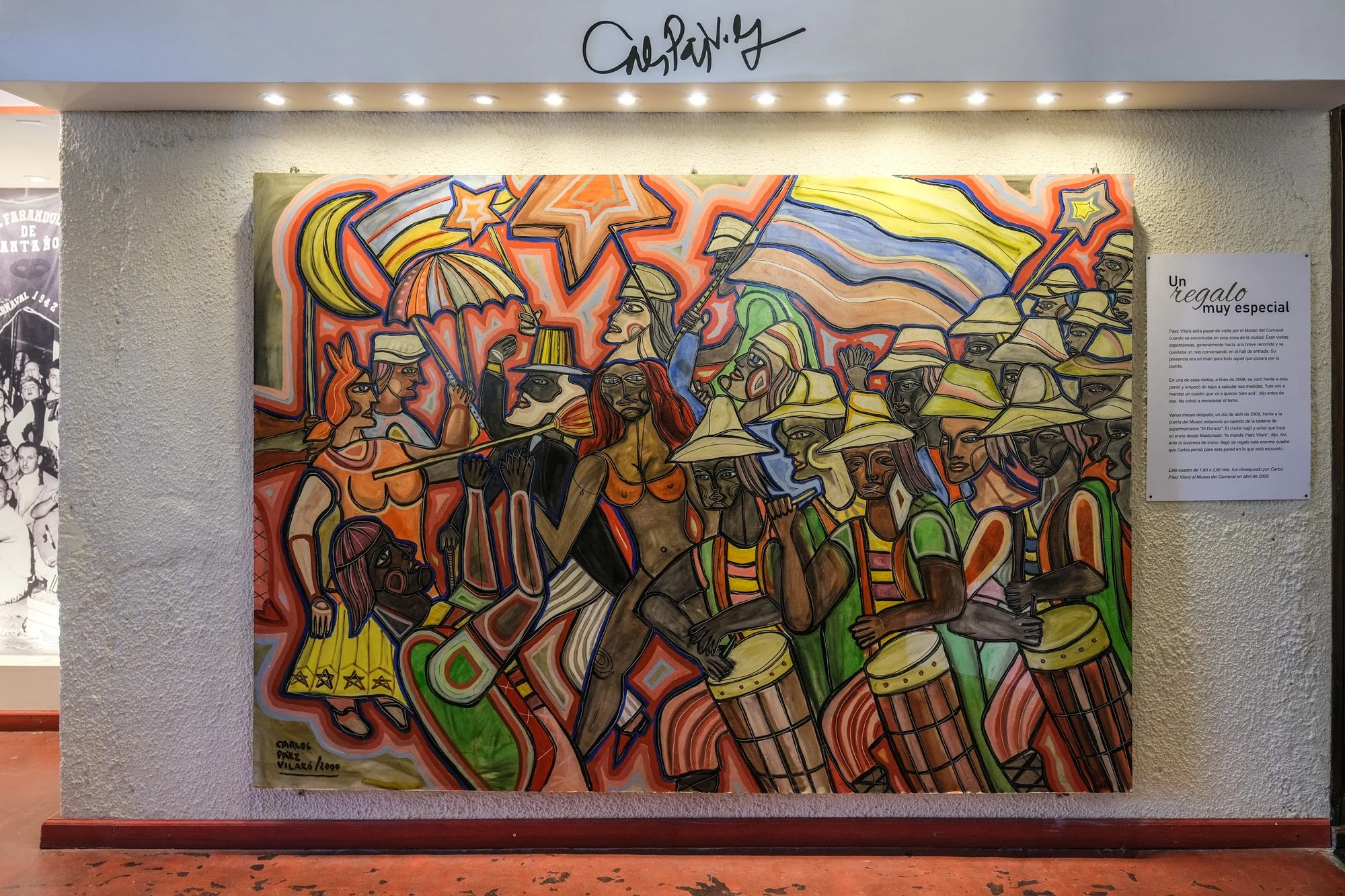
The Carnival Museum is one of the best museums in Montevideo.
Another underrepresented group in Uruguay is Afro-Uruguayans, who represent roughly 10% of the population. Their history and arrival in South America largely paralleled those of their counterparts in neighboring Brazil. Brought in as slaves during the Spanish colonial period, they remained largely marginalized politically and economically. Despite the country’s progressive politics, racism is very much an issue in Uruguay. They may be a small minority, but they made sizeable contributions to two of Uruguay’s most famous cultural traditions: carnivals and candombe.
Unbeknownst to the rest of the world, Uruguay has the world’s longest carnival for up to 40 days. The tradition is a synthesis of African rituals and Christian practices. Each comparsa, or neighborhood association, would spend months rehearsing annual routines ahead of the carnival. Montevideo’s carnival may not be as outlandish as its Brazilian counterparts, but it is just as integral to the city’s identity. Because this is Uruguay, few foreigners came here for the carnival. The prime seats along the parade routes are affordable, and it is incredibly family-friendly. Outside of carnival season, lucky visitors may come across local rehearsals or at least hear the characteristic drumbeats of candombe.
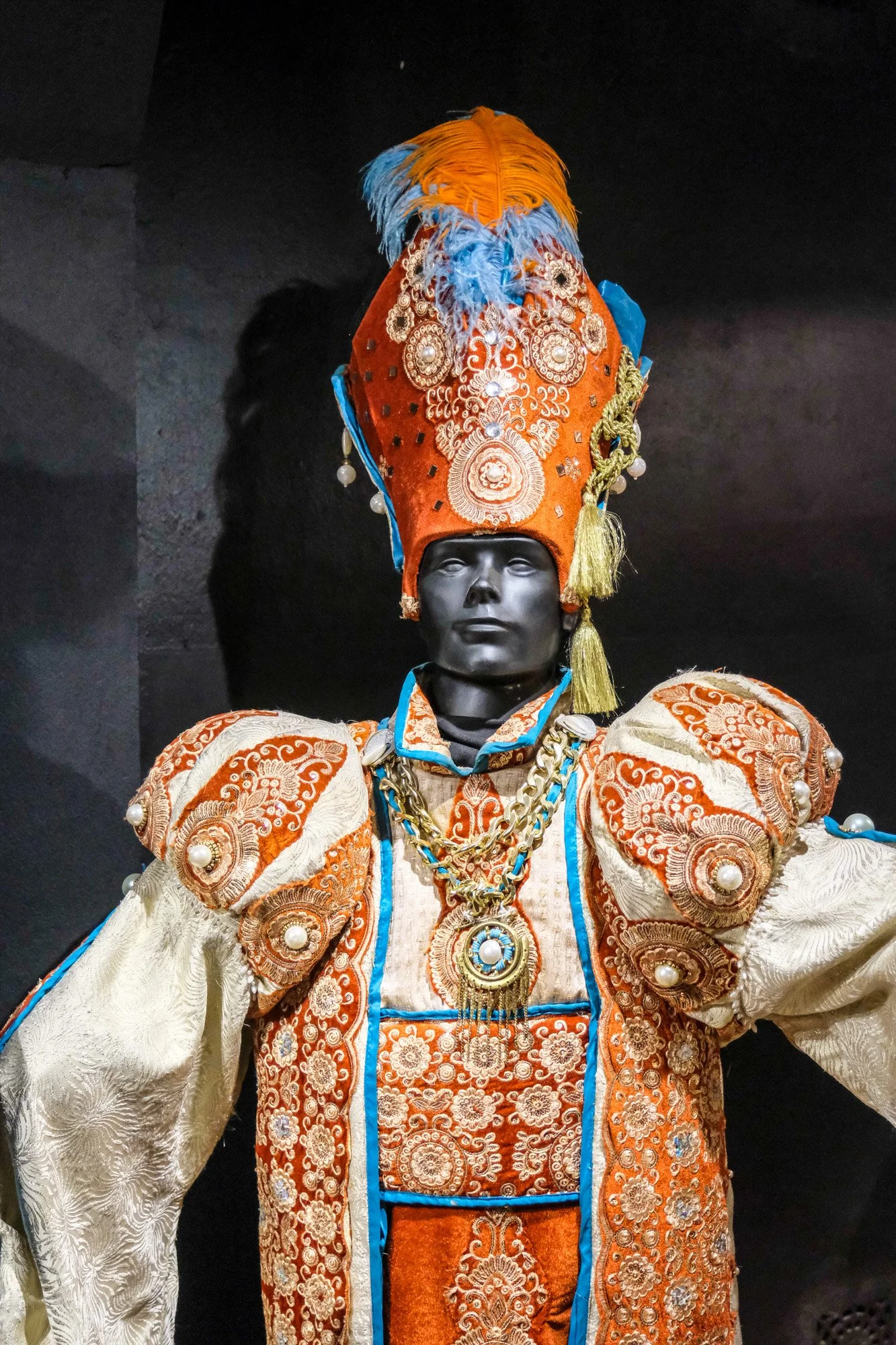
It is not carnival without flamboyant outfits.
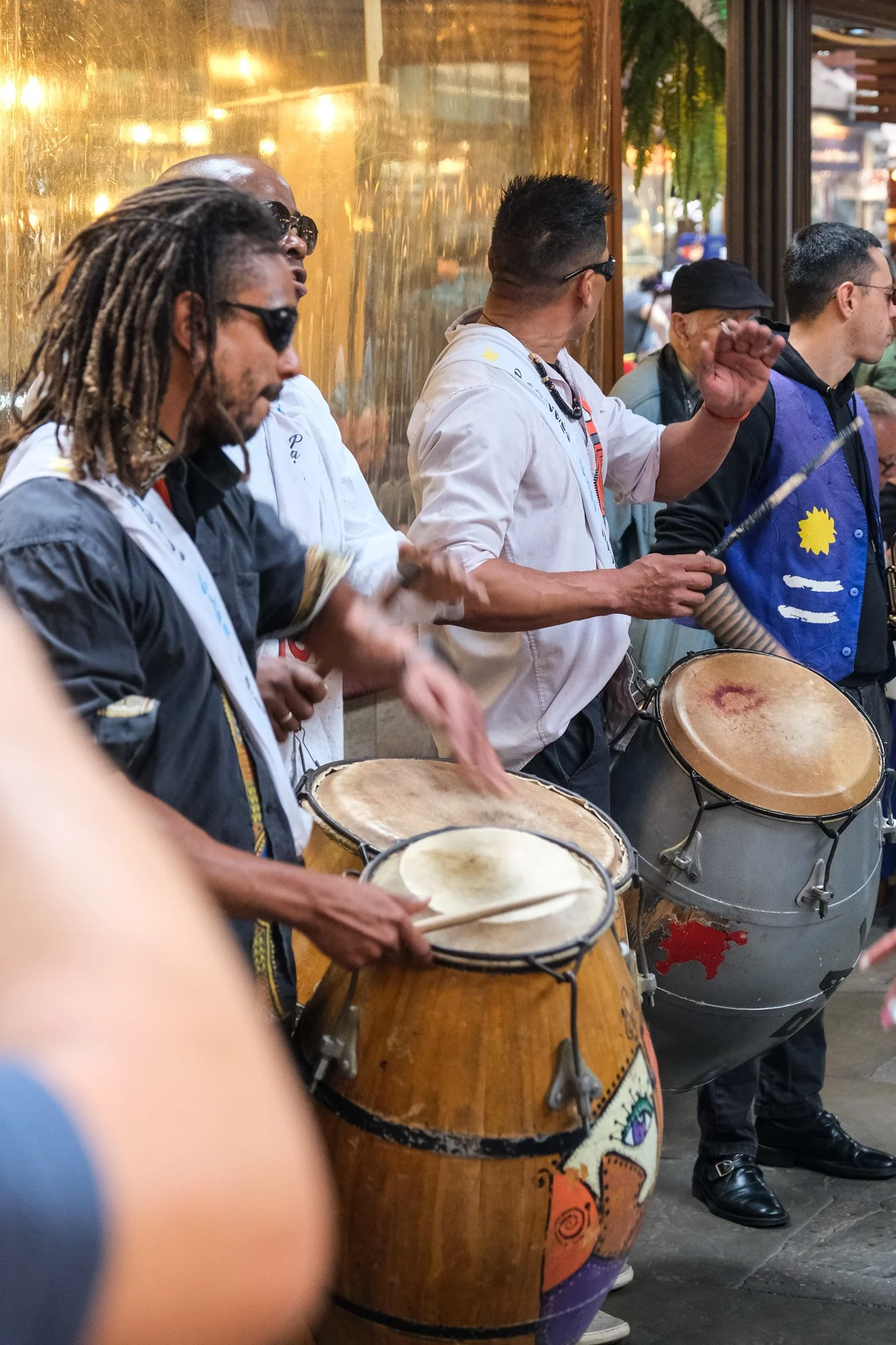
Tourists could get a glimpse of candombe around the old town.
For short-term visitors, the easiest way to get a sense of candombe music is to spend time in the bustling streets around Mercado del Puerto. A small band of artists would march down the street to entertain tourists. The nearby Carnival Museum is a worthwhile detour for a more intimate look into Uruguay’s carnival traditions. In addition to flamboyant costumes, the museum also highlighted how the traditions evolve over time. Significant to Uruguayan carnivals is murga, a special theatrical tradition
A Progressive Utopia?
In the era of right-wing populism across the globe, Uruguay stands out as a shining beacon of progressivism in the global south. As somebody who leans toward progressive centrism, I was very keen to learn about the secret formula that made Uruguay a progressive “utopia” and an island of stability in an otherwise turbulent corner of the world. Whether it be wages, gender equality, or corruption index, Uruguay stands at the forefront of good governance and social welfare. The country’s reputation for stability is often attributed to its long-standing progressive policies and political civility.
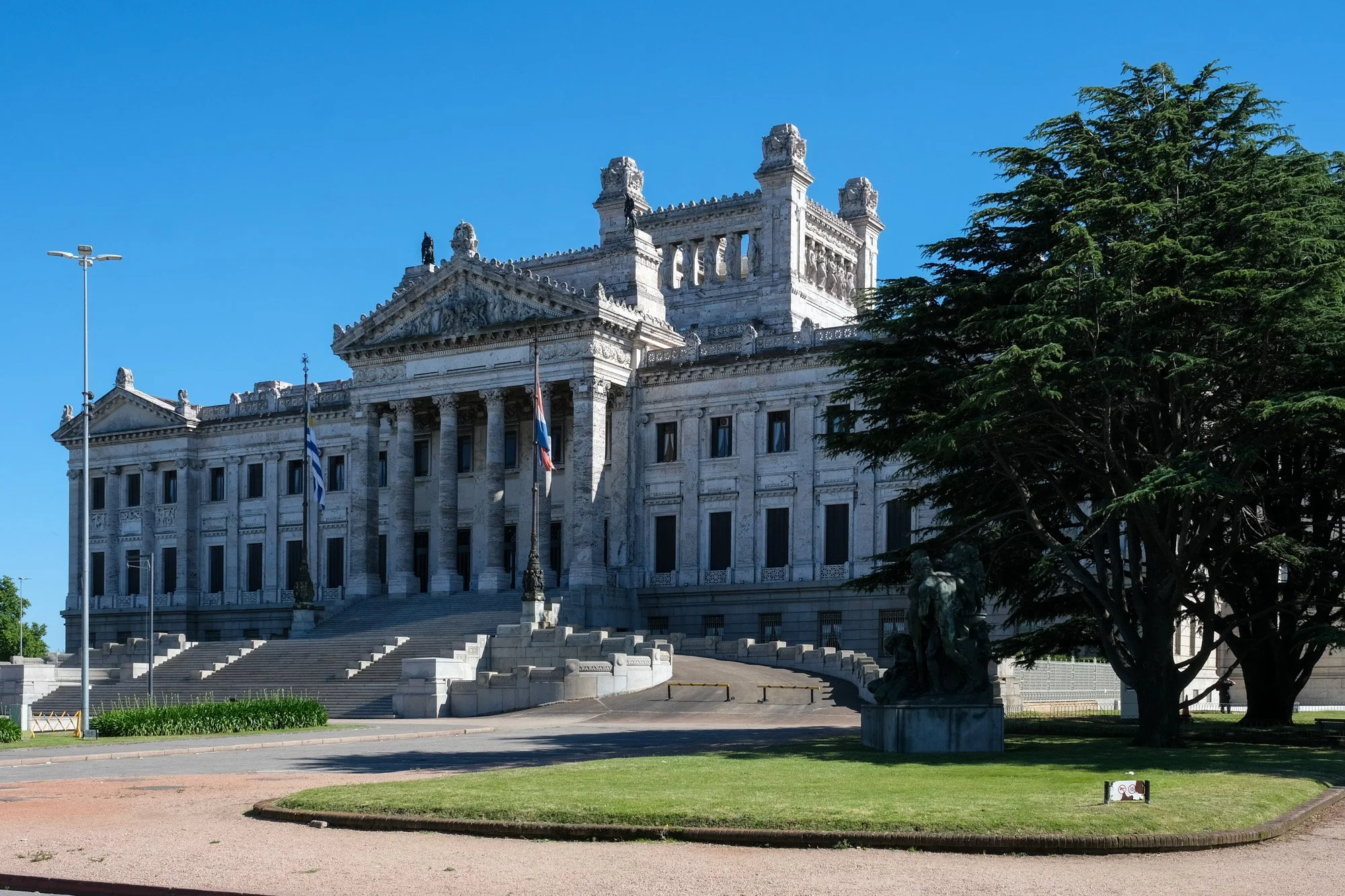
The Legislative Palace of Uruguay.
Many attribute the country’s politics to the national character of reconciliation. Sandwiched between competing powers, Uruguayans understand the necessity of dialogue and of forming consensus to address the most pressing issues at hand. Politicians in Uruguay are famously low-key and unpretentious. Uruguay’s most famous politician would probably be former president José Mujica, a leftist former guerrilla known for his embrace of a non-materialistic lifestyle. He famously drove his 35-year-old Volkswagen Beetle and donated 90% of his meager salary to charity. The unassuming nature of the politics could be exemplified by the absence of security around government buildings. I was surprised that we could simply walk into the lobby of the presidential office to use their ATM.
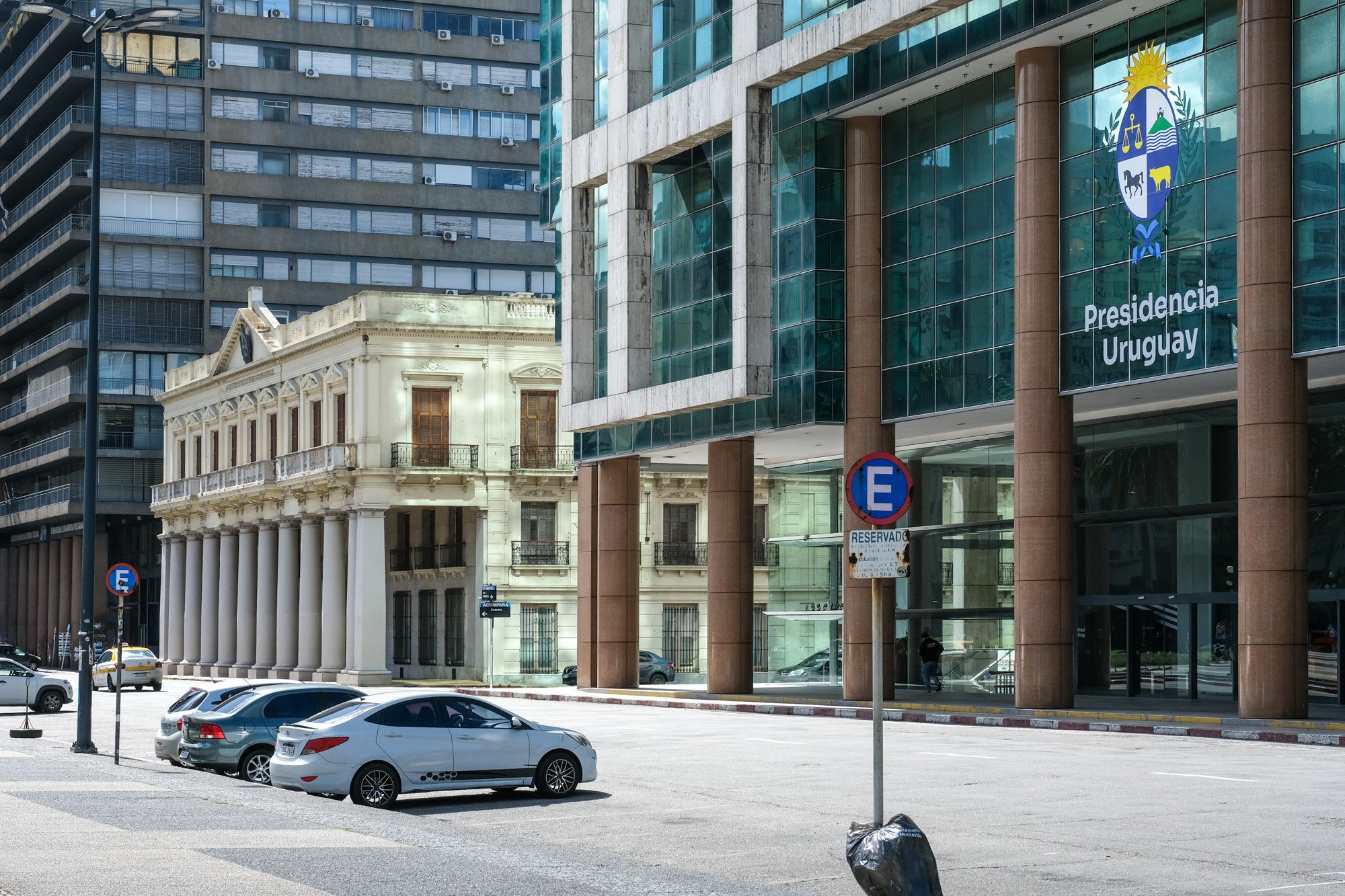
The modern Executive Tower is home to the office of the President of Uruguay.
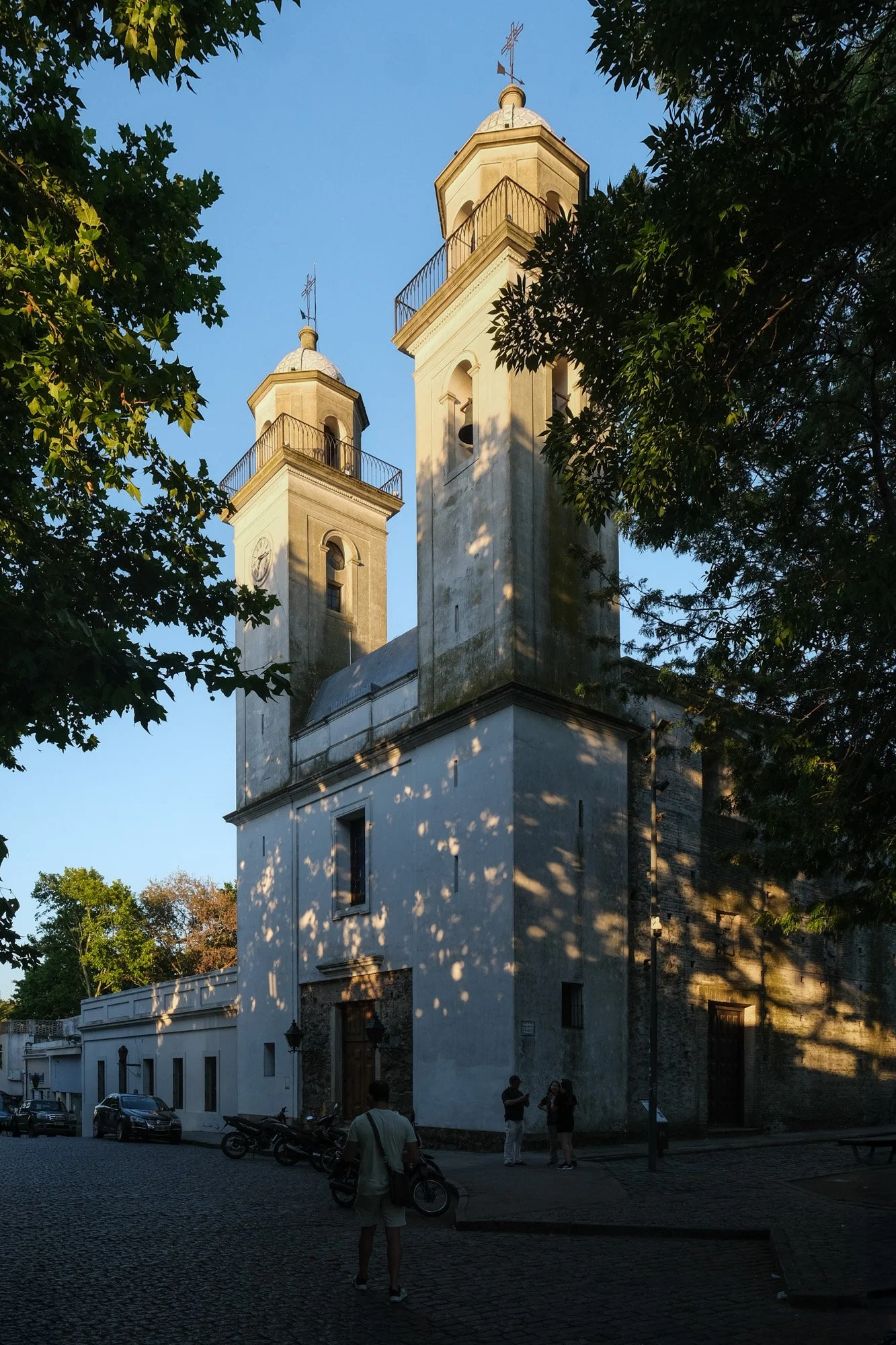
The Basilica of the Holy Sacrament in Colonia del Sacramento.
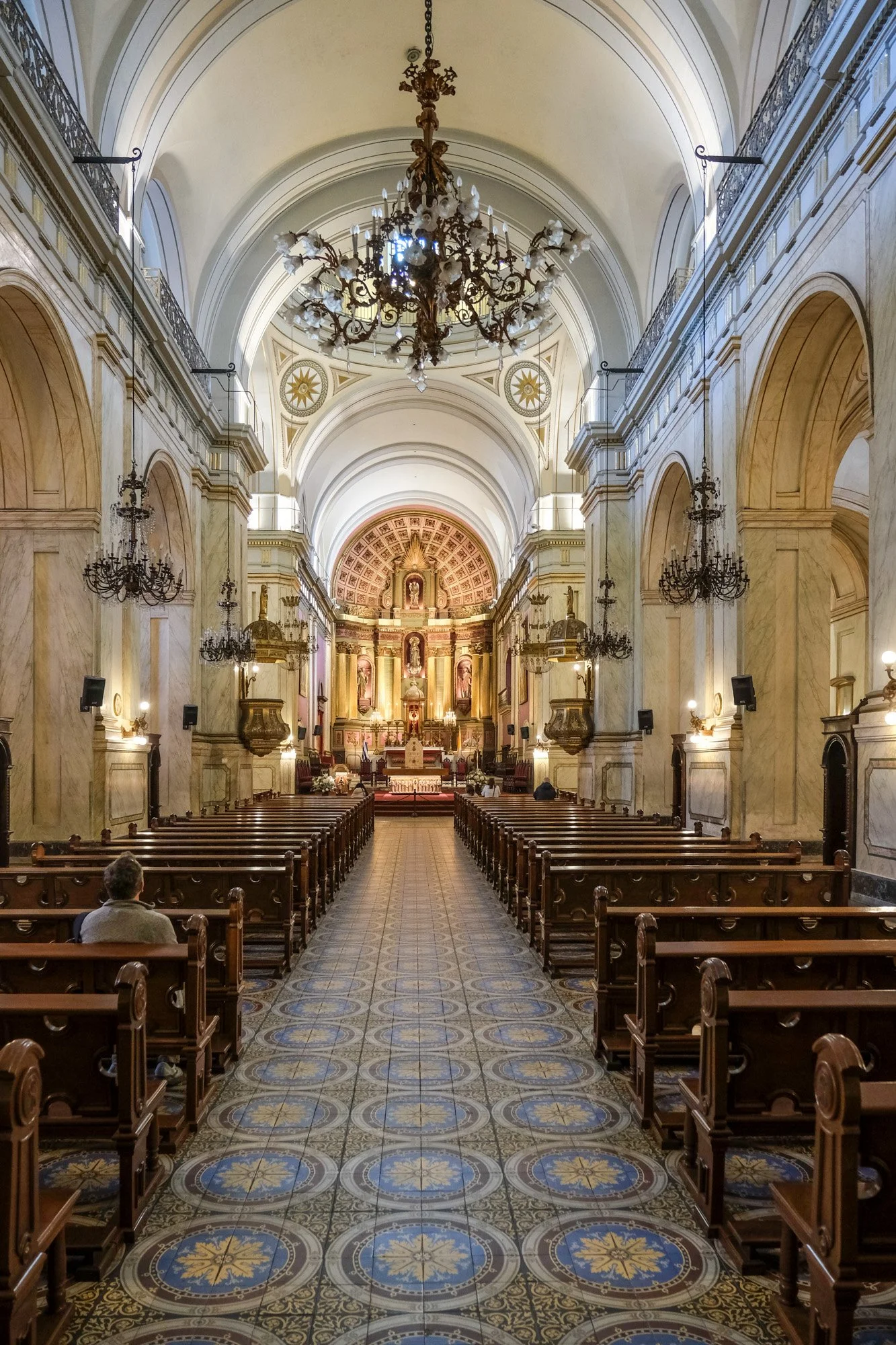
Montevideo Metropolitan Cathedral.
A cornerstone of Uruguay’s progressivism was the strict separation of church and state. Codified by the constitution in 1918, Uruguay had been committed to removing religion from politics. Although the country is historically Christian and Catholic, the government was committed to secularization. The most prominent example was renaming Christmas as “Family Day” and Easter week as “Tourism week.” Some scholars believe Uruguay’s secularism could be attributed to the extermination of the indigenous population. That meant there was never a drive to evangelize and convert, thus making it less overtly Catholic than in other parts of South America. The role of the Catholic Church is evident in the rather modest cathedrals in both Montevideo and Colonia del Sacramento.
Today, just over half of Uruguayans identify as irreligious, which is definitely an outlier in this part of the world. From abortion access, cannabis, to same-sex marriage, Uruguay is shoulder to shoulder with the most liberal Nordic nations. Just one month ahead of our visit, the parliament has just legalized assisted dying, despite the fierce opposition from the church. One of the best ways to witness secularization is to witness the wedding celebrations. During our short stay in Montevideo, I came across several wedding parties celebrating the newlywed outside of the public registrar’s office in the same way others do at churches.
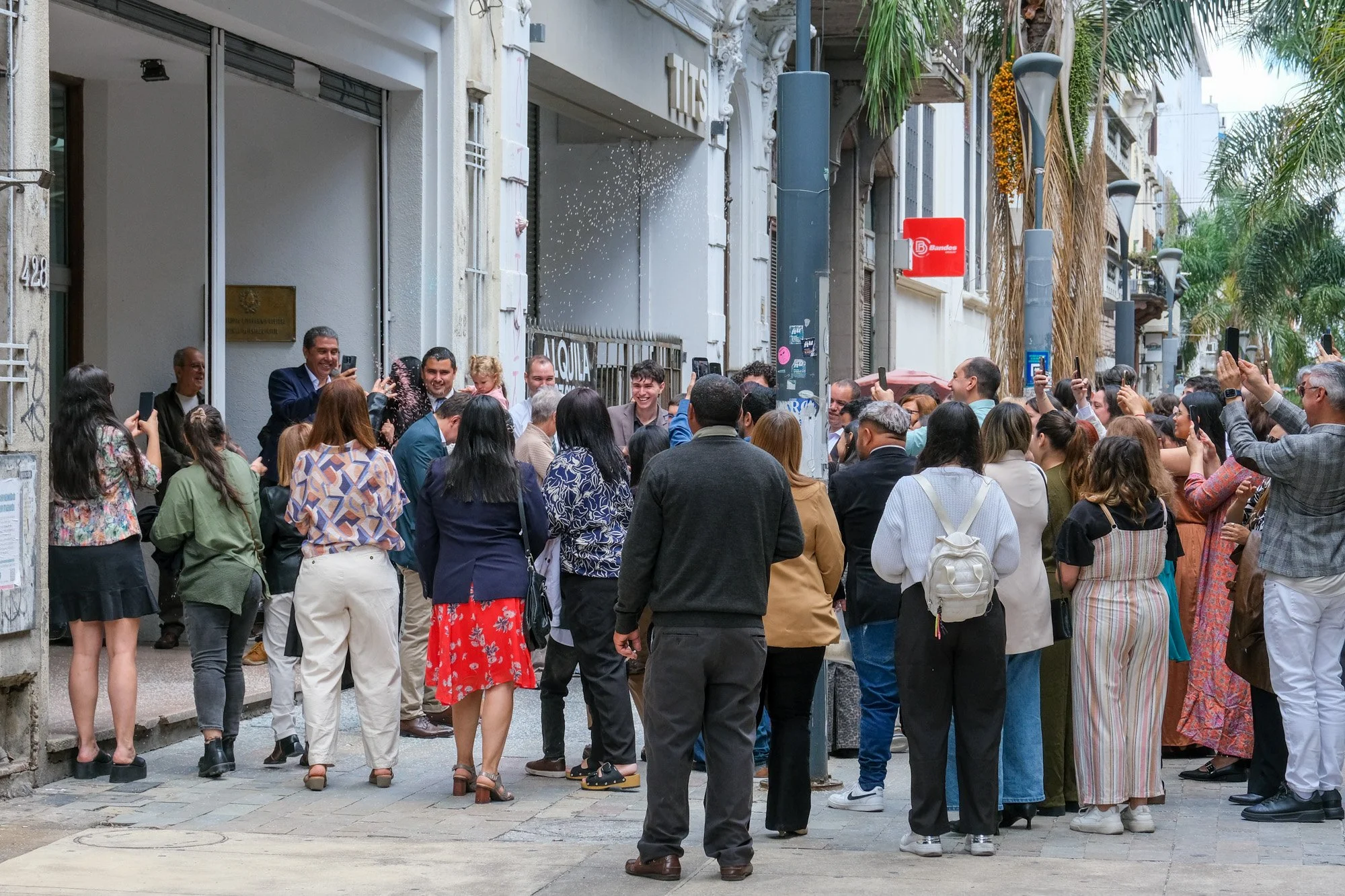
A wedding celebration outside of the registrars’ office in Montevideo.
Like most progressive democracies, Uruguay imposes high consumption taxes but offers free or affordable education and healthcare for all citizens. The one upside for visitors is that most public museums in Uruguay have no admission fee. By all accounts, Uruguayans are largely content with their society and cherish its stability. Of course, it was not to say there weren’t social ills, chiefly among them would be the cost of living. In this age of rage-driven politics, let’s pray that Uruguay could hold on to its precious civility and civic pride.