
The Many facets of Riyadah
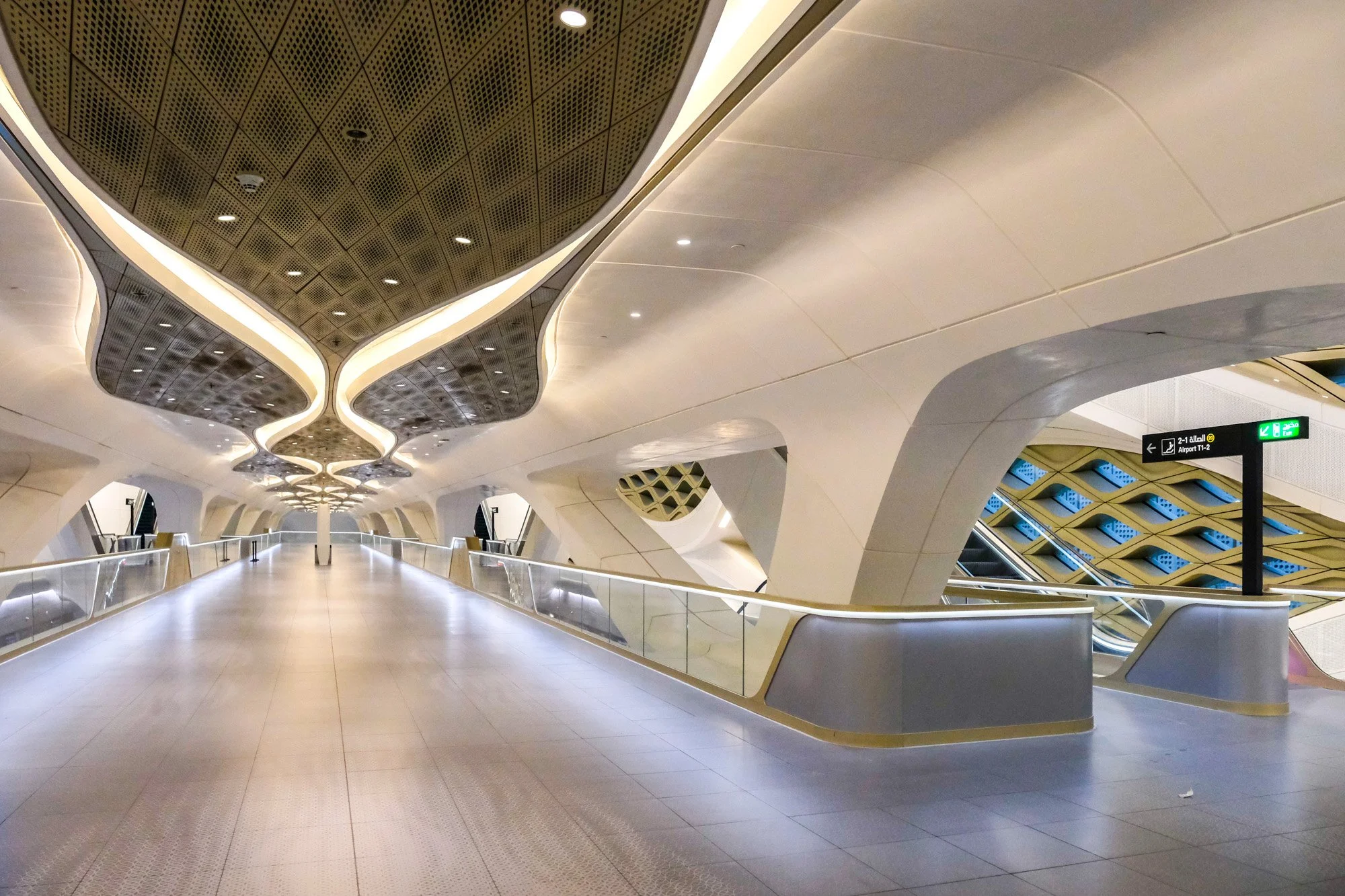
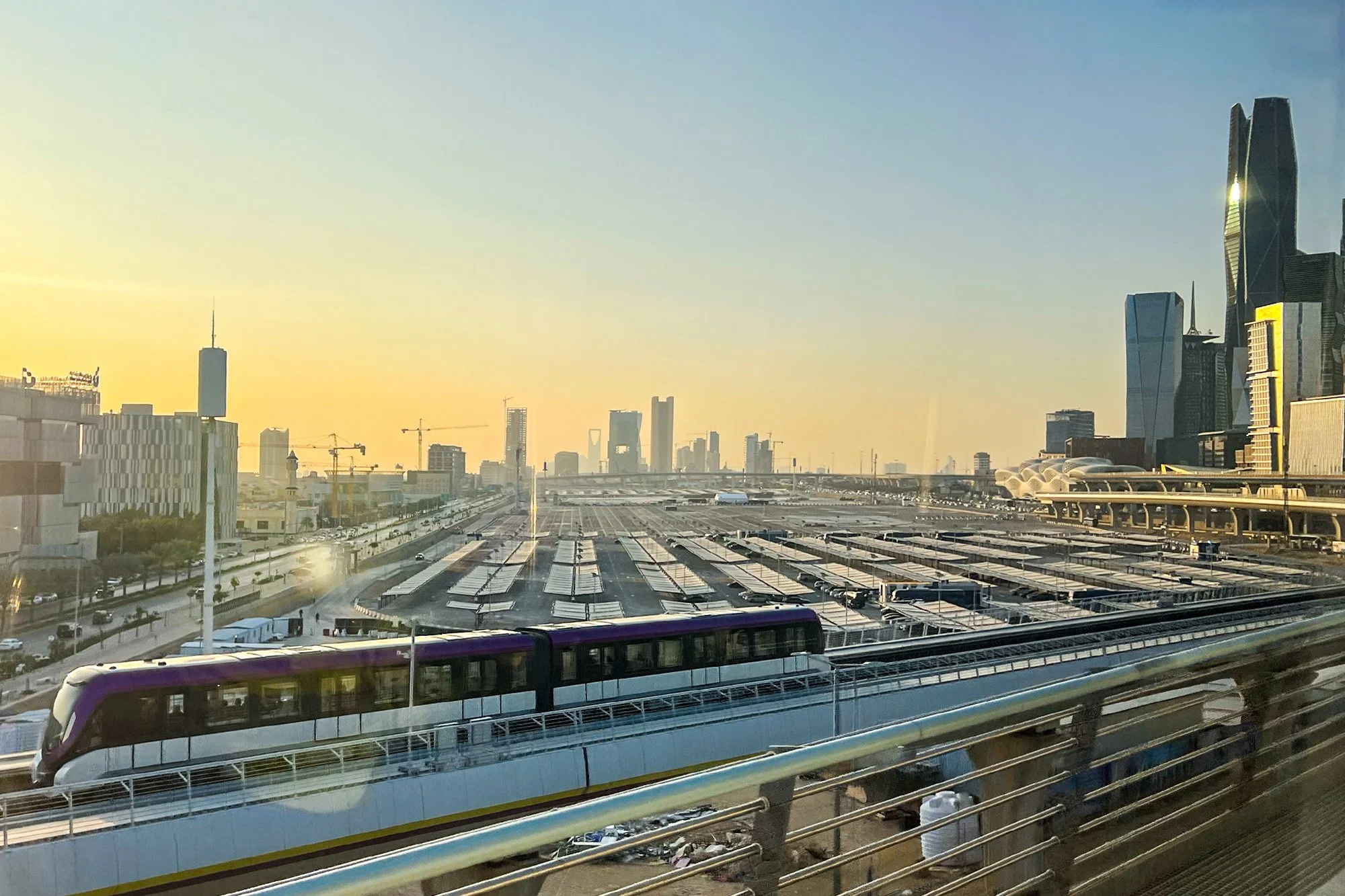
Among all the great cities of the Middle East, the Saudi capital, Riyadh, does not really get much love or attention until very recently. This metropolis of seven million inhabitants is not only the largest city in Saudi Arabia, but also on the Arabian Peninsula. It may have only a fraction of the fame of its Gulf neighbors, but Riyadh is a city undergoing one of the most dramatic metamorphoses over the past decade. Since the kingdom’s liberalization in 2019, Riyadh's development has been turbo-charged in a bid to become a global destination for sports, gaming, and luxury travel. With the launch of the country’s second flag carrier, Riyadh Air, the city aims to become the next Dubai or Doha.
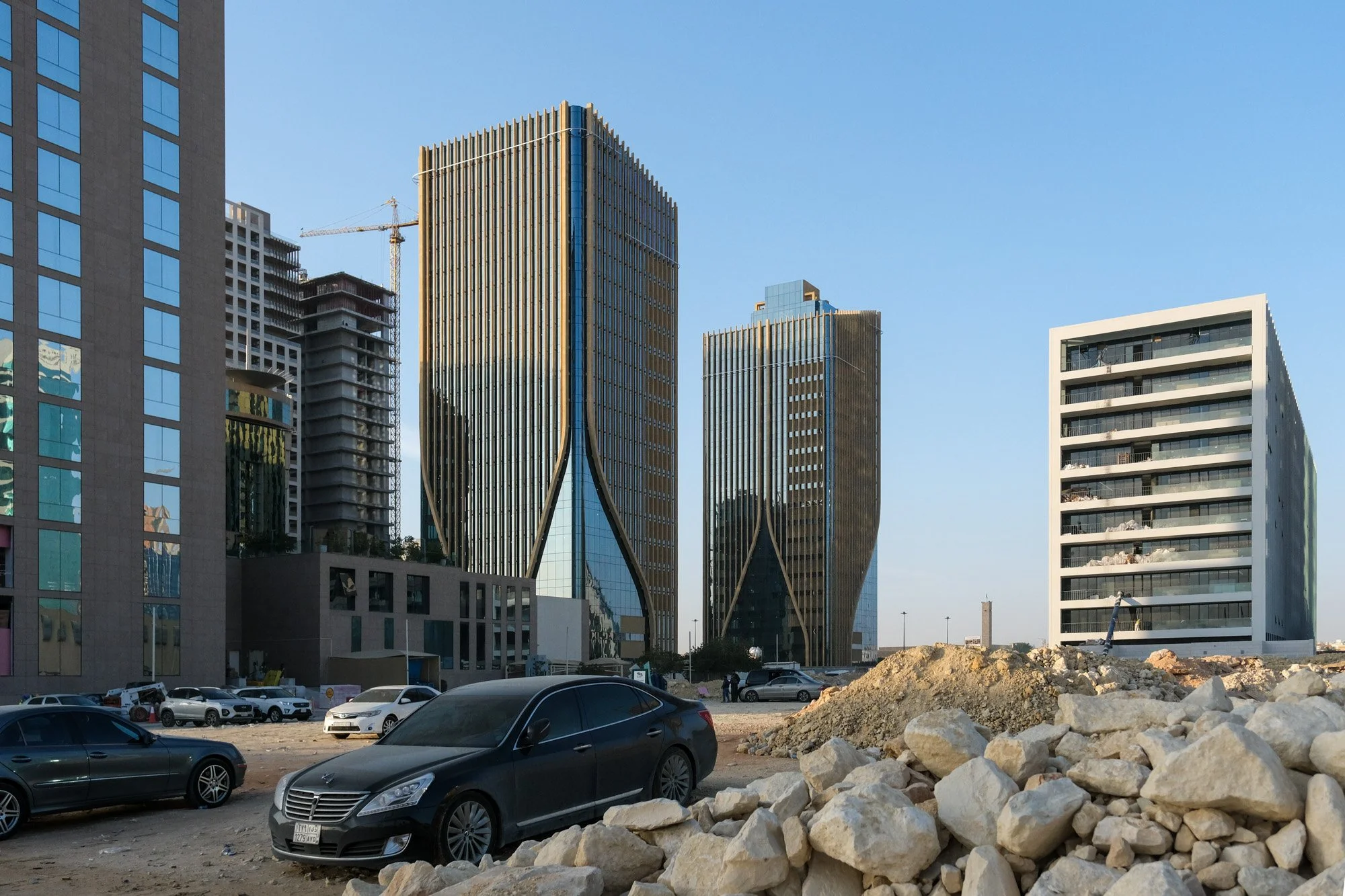
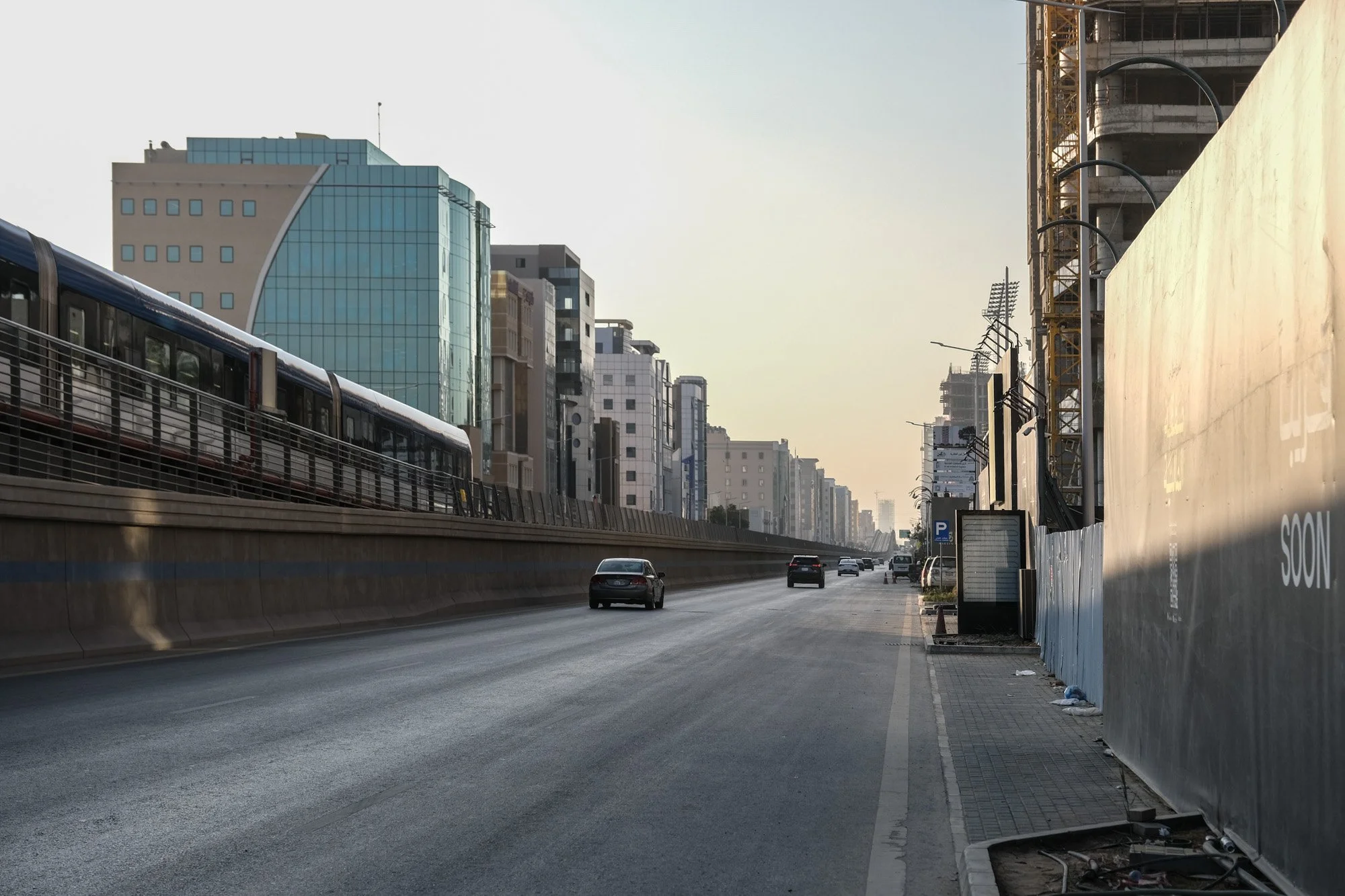
Like many foreign visitors, we entered Saudi Arabia through Riyadh. For our four-night visit, we stayed at the Novotel Hotel in the Sahafa neighborhood at the northern edge of the city. The first thing that jumped out to me was Riyadh’s expansive urban sprawl. The city is laid out on a grid with strict hierarchy, with grand boulevards and smaller neighborhoods. Much of the city consists of a mix of conspicuous low- and mid-rise buildings, with a sprinkling of flamboyant high-rises along King Fahad Road. The most recognizable skyscraper among them is the Kingdom Center, a 300-meter-tall skyscraper that resembles an oversized bottle opener. Some regard this mixed-use shopping and hotel complex as the city’s marquee attraction, which is quite depressing if you ask me.
Judging from the vast expanse of this metropolis, it is remarkable that Riyadh's population stood at just under 30,000 a hundred years ago. The founding of Riyadh technically dates back to pre-Islamic times, but it did not gain prominence until the arrival of Dahham ibn Dawwas in 1737, who built Riyadh's fortification walls and turned it into a defensible town for the first time. A rival to the House of Saud based in nearby Diriyah, Dahham was eventually overthrown by the First Saudi State twenty-eight years later. Riyadh became subservient to Diriyah until the House of Saud went into exile after the Siege of Diriyah in 1818 by the Ottoman-backed Egyptian forces.
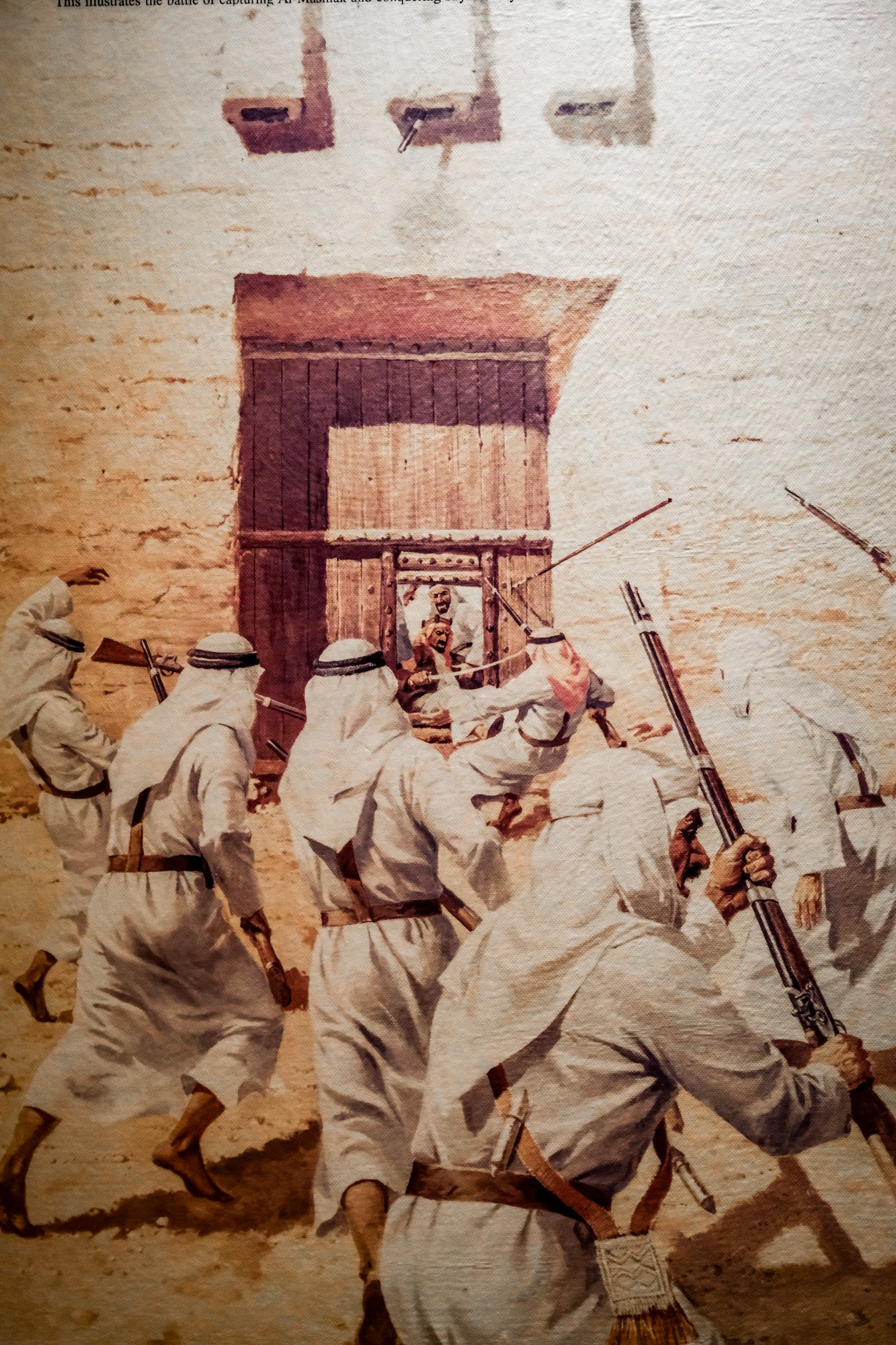
The painting of the Battle of Royadh.
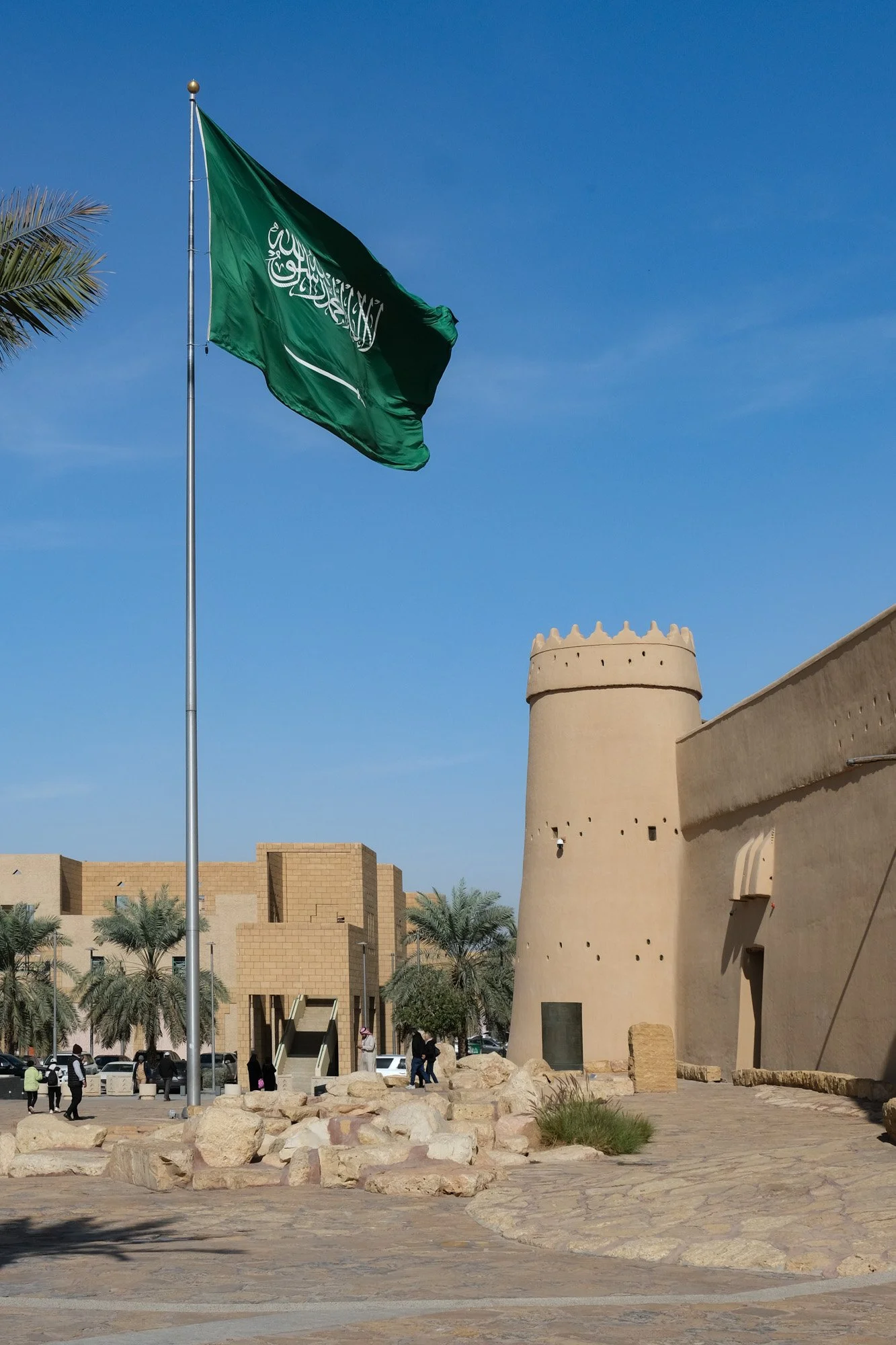
Very few remnants of Old Riyadh survived the modern redevelopment, including much of the old fortification. However, Riyadh’s spiritual heart lies in the historic Masmak Fortress, which once dominated the old city's skyline. This fortress may not be particularly impressive, but it played a pivotal role in Saudi Arabia's nation-building. After the Saudis were driven into exile by the Ottomans, Diriyah was sacked and abandoned. Fast forward a few generations, Abdulaziz bin Abdu Rahman Al Saud, the new head of the House of Saud, decided to make a comeback and recaptured Riyadh from the Ottomans. Known as the “Battle of Riyadh,” this event was more of a daring skirmish.
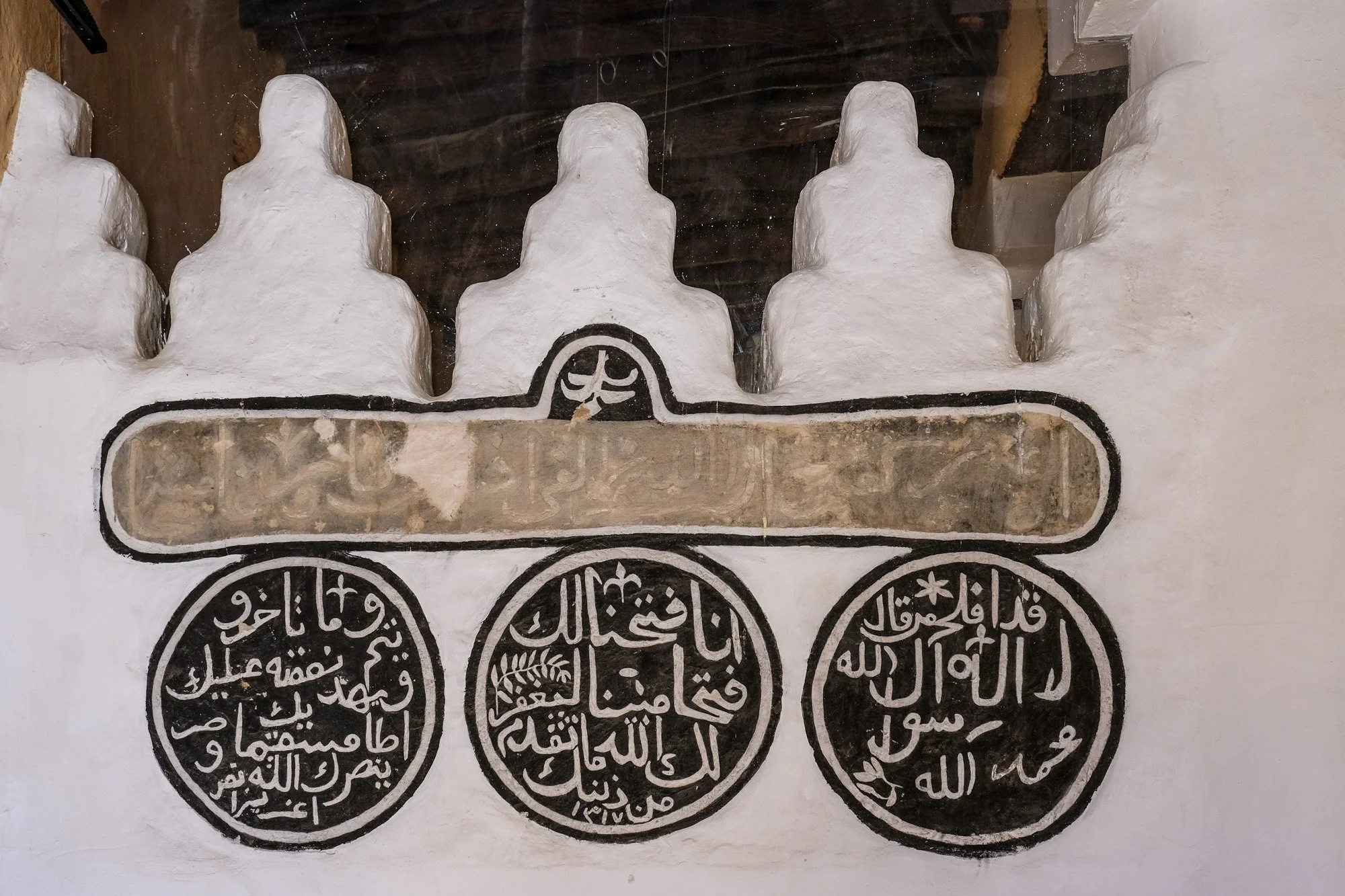
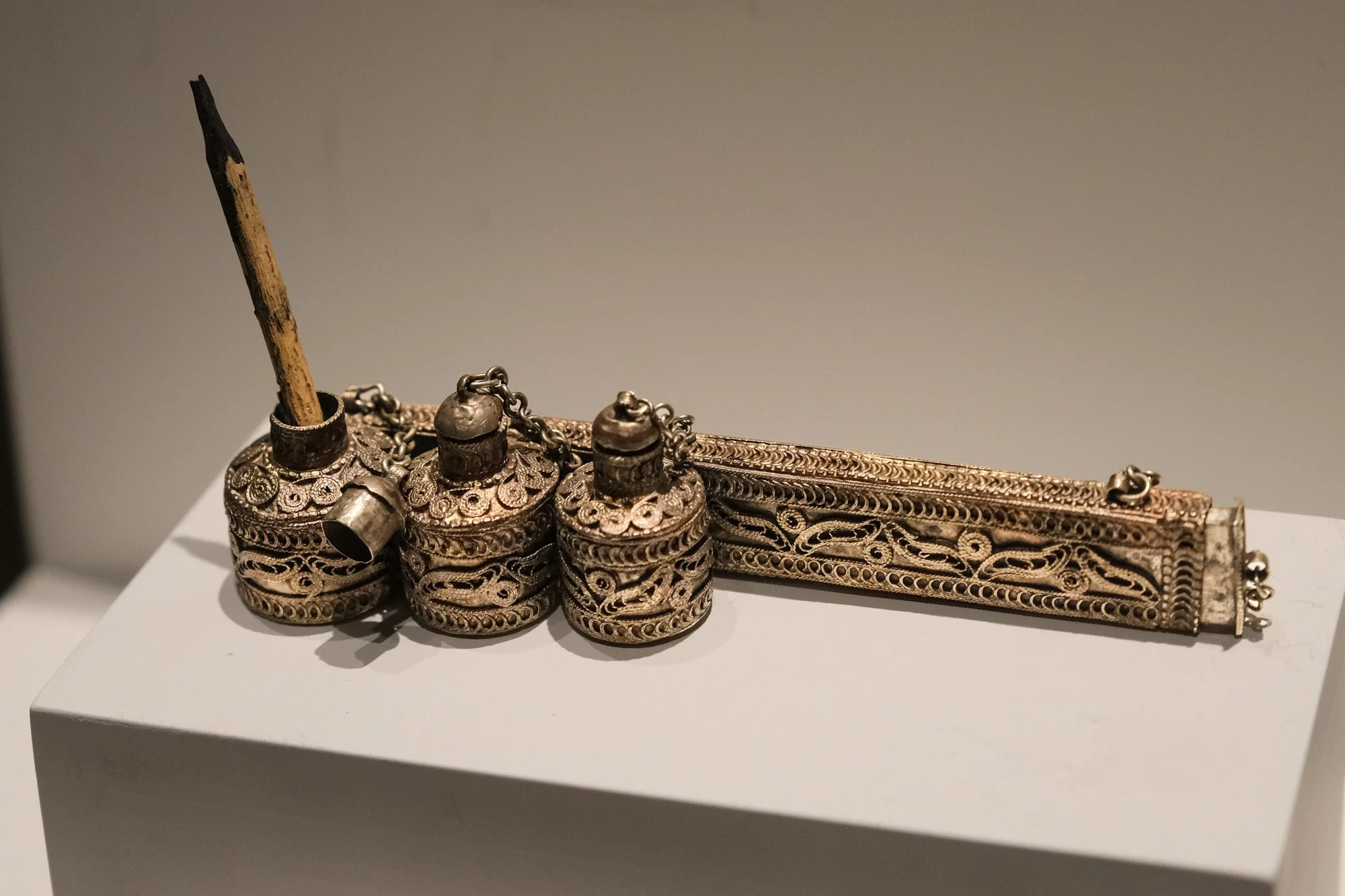
With a couple of men, Ibn Saud sneaked into Old Riyadh under the cover of darkness on 13 January 1902. He staged an ambush at the fortress entrance right after sunrise. According to the legend, Ibn Saud fired the first shot at the ruling emir of Riyadh at the time but missed. As the emir attempted to escape back into the fortress, Ibn Saud managed to grab his leg, allowing his men to penetrate the fortress. After some hand-to-hand combat, the emir was killed, and the rest of the garrison surrendered. With the fall of the fortress and the death of the Emir, the House of Saud officially proclaimed sovereignty over Riyadh.
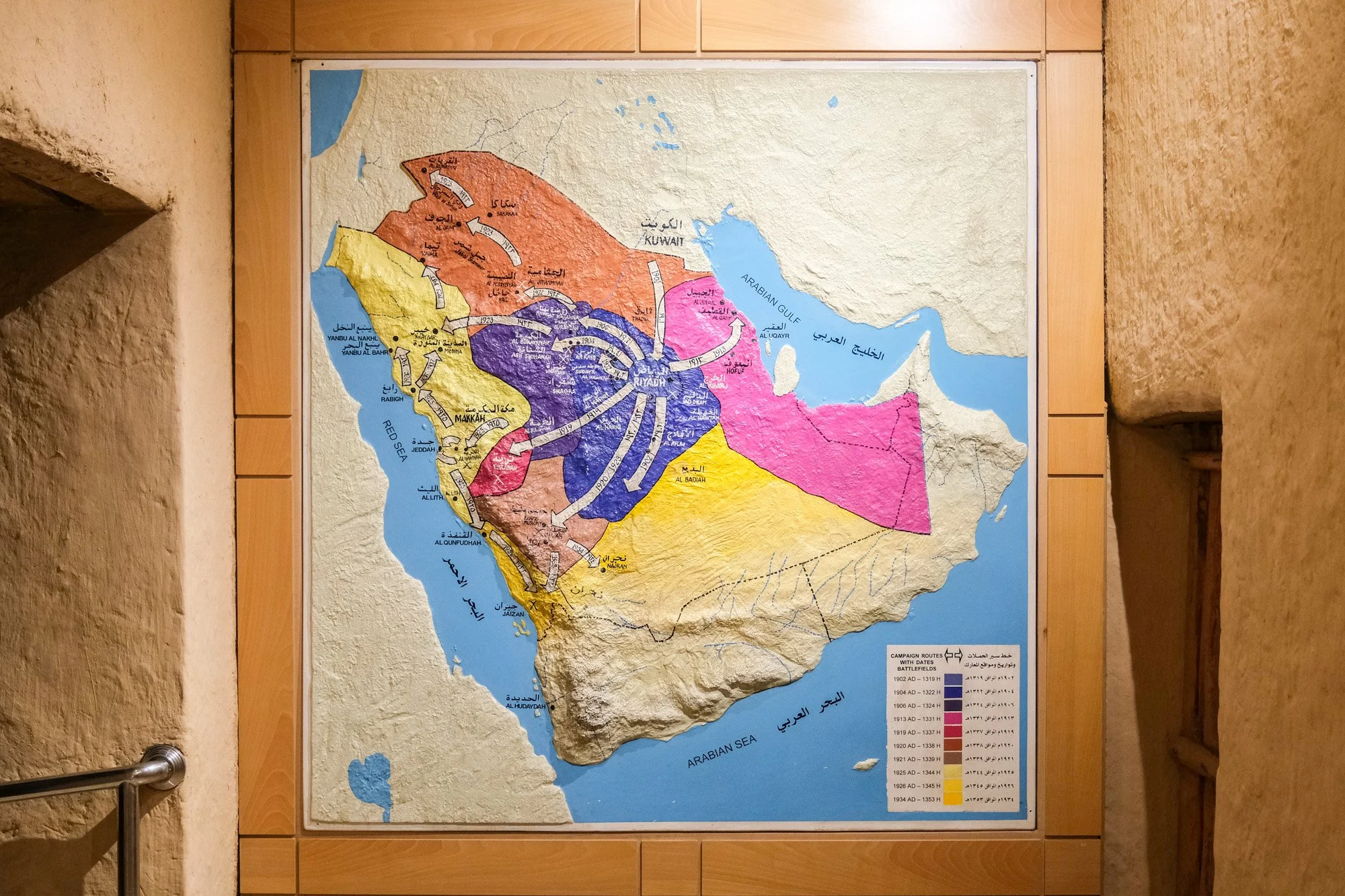
The capture of Riyadh gave the House of Saud a foothold in Arabia. They used Riyadh as a base to conquer vast territories and eventually to assemble the unified kingdom we know today. Diriyiah may be the cradle of the dynasty, but Riyadh is the birthplace of the country, also known as the Third Saudi State. Needless to say, the kingdom treats Masmak Fortress as sacred ground. In addition to free admission, the fortress hosts a wide array of exhibitions on the evolution of Old Riyadh and the Battle of Masmak. Not surprisingly, a large section of the museum is dedicated to the Saudi monarchy. Honestly, I doubt most foreign visitors could care less about the succession of Saudi kings.
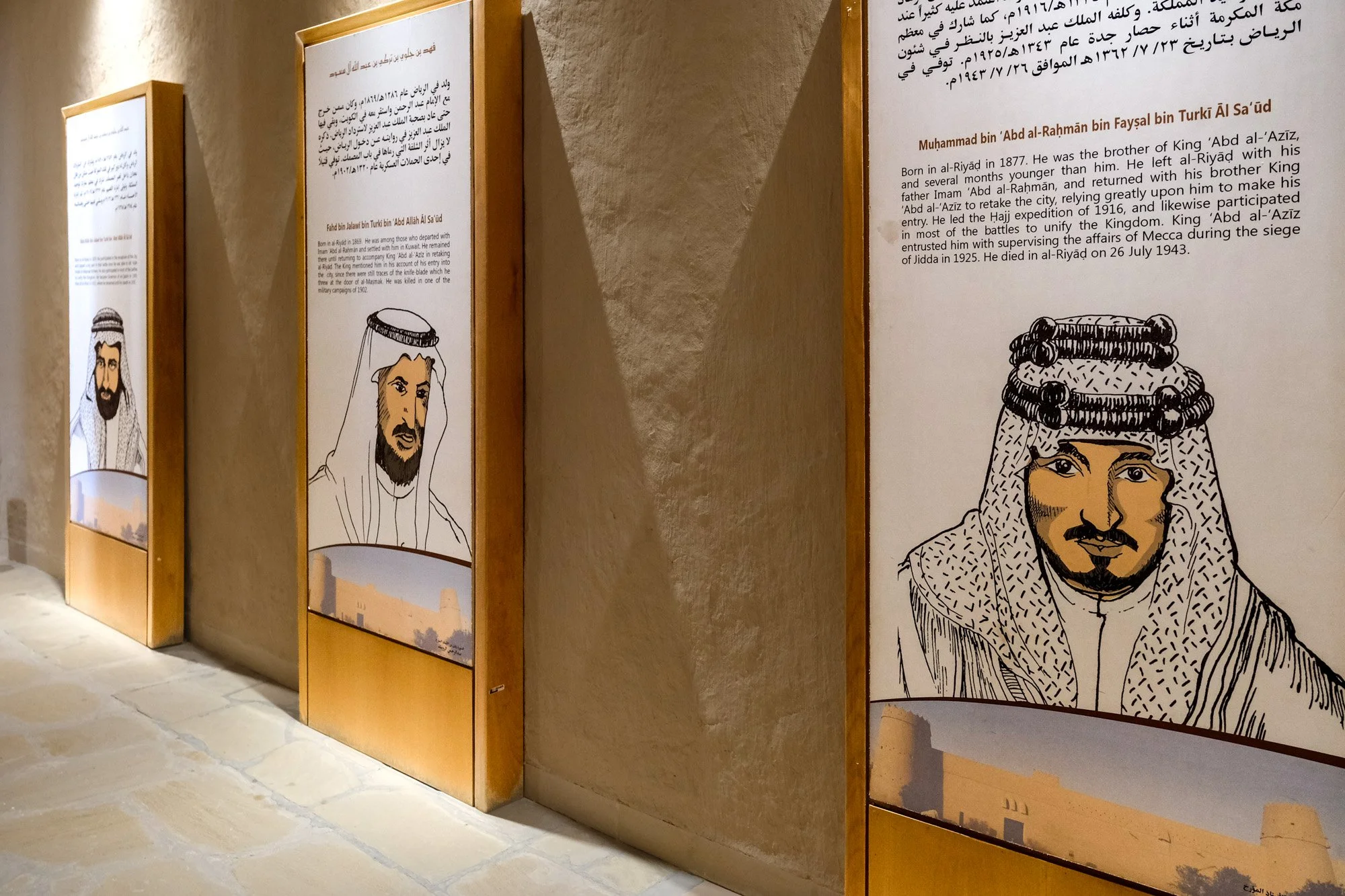
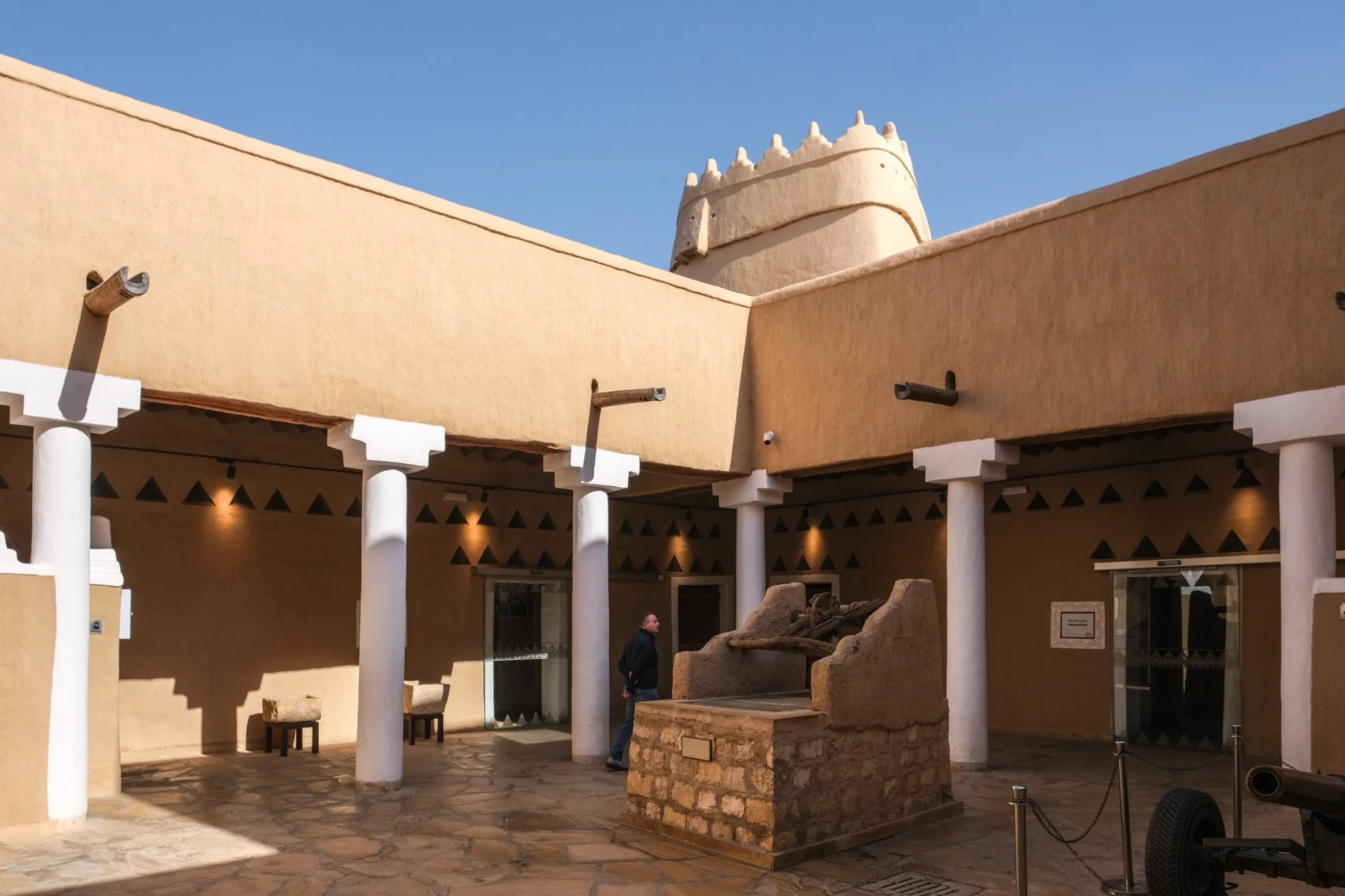
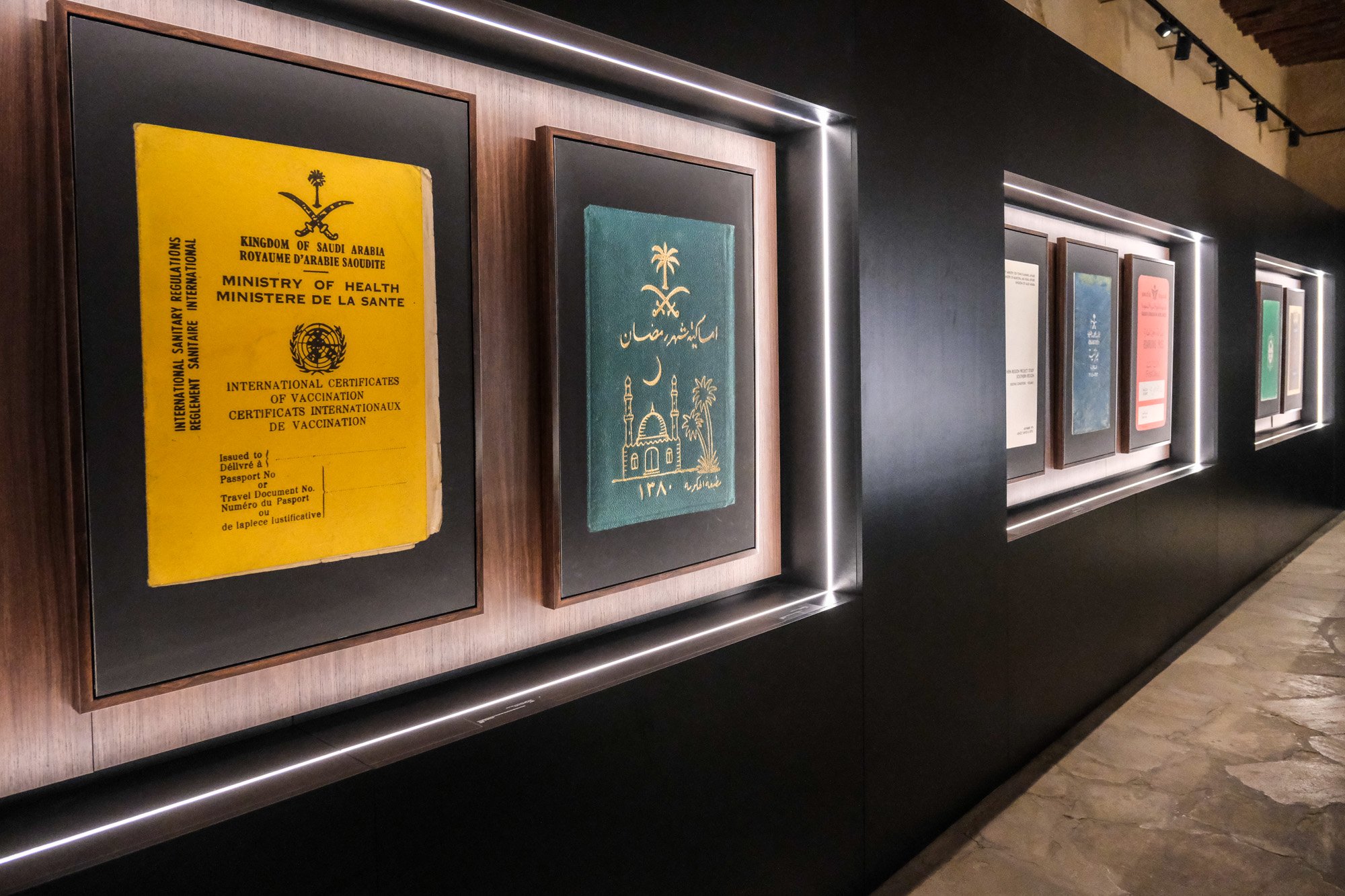
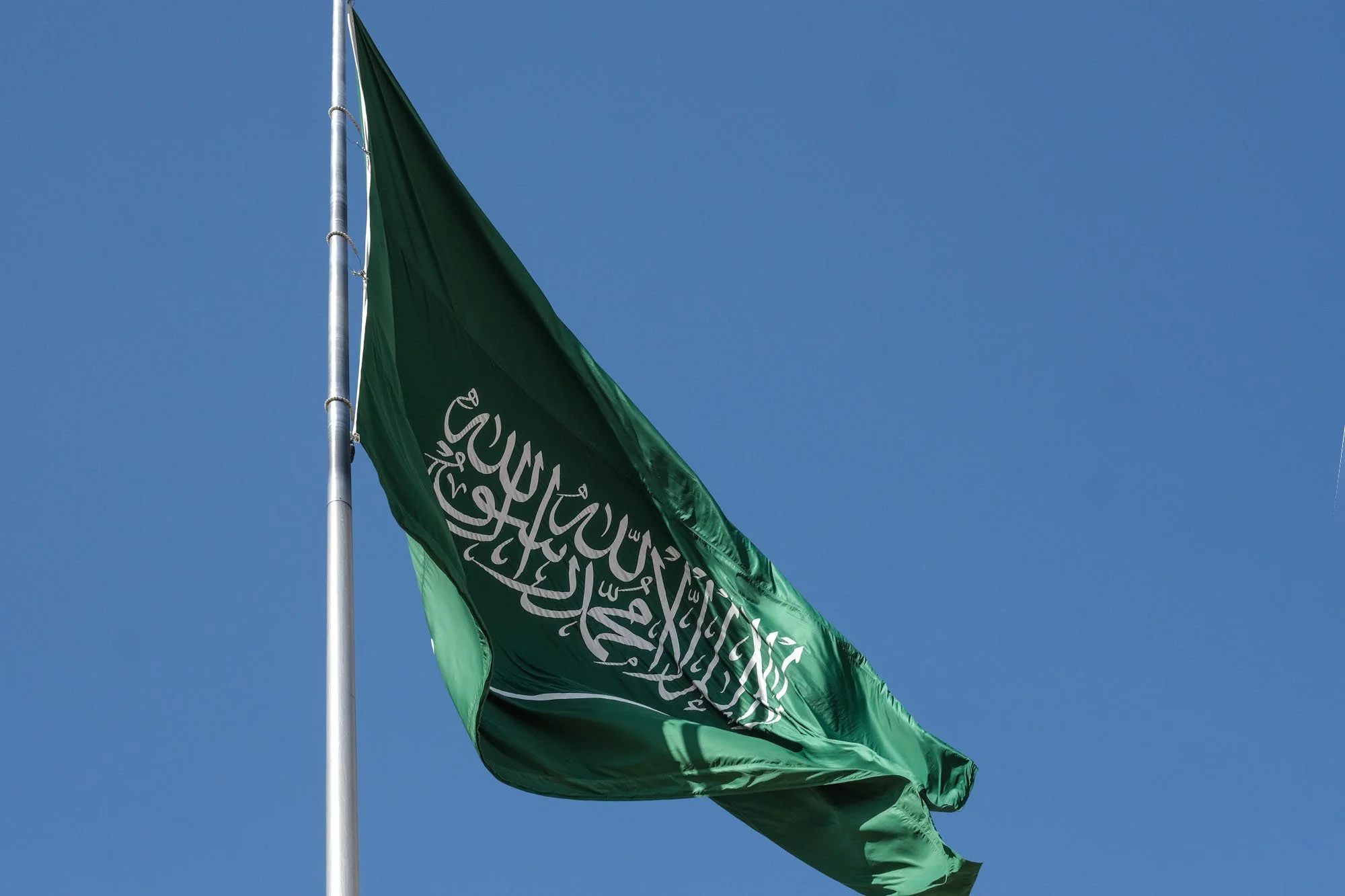
For me, the most interesting section was a small gallery dedicated to the Saudi national coat of arms. Composed of two crossed swords and a palm tree, it is one of the world’s most iconic national insignia and one of my favorites. The twin swords represent two constituent kingdoms that preceded the Third Saudi State. It is distinctly modern yet gracefully preserves traditional elements. Observant travelers could see the Saudi insignia throughout the kingdom. Observant travelers could see the Saudi insignia throughout the kingdom, from the livery of Saudia to the car license plates.
Despite its national significance, Masmak Fortress doesn’t seem to be hot on the tourist trail. There were barely a dozen visitors in the complex during our hour-long visit. I suspect this could be attributed to the fort’s modest appearance and lack of historical context in its surroundings. While the main structure has been beautifully preserved, I didn’t spot any vestige of Old Riyadh beyond the castle wall. Riyadh’s fortified walls were torn down in 1950 to facilitate urban expansion. Only two out of the ten historical gates survived. By 1973, the government began to recognize the importance of historic preservation and ordered an extensive program to develop the areas more thoughtfully.
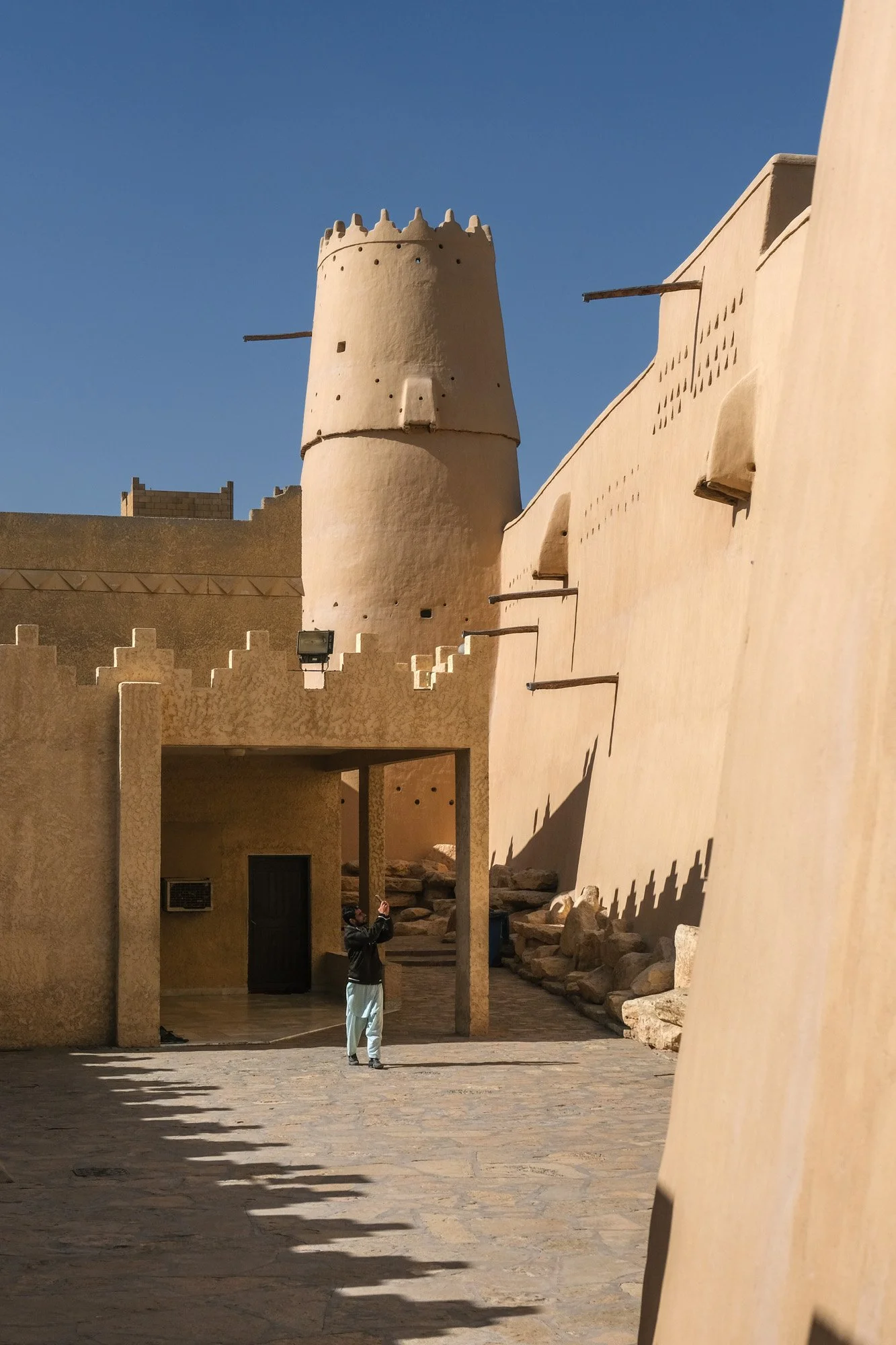
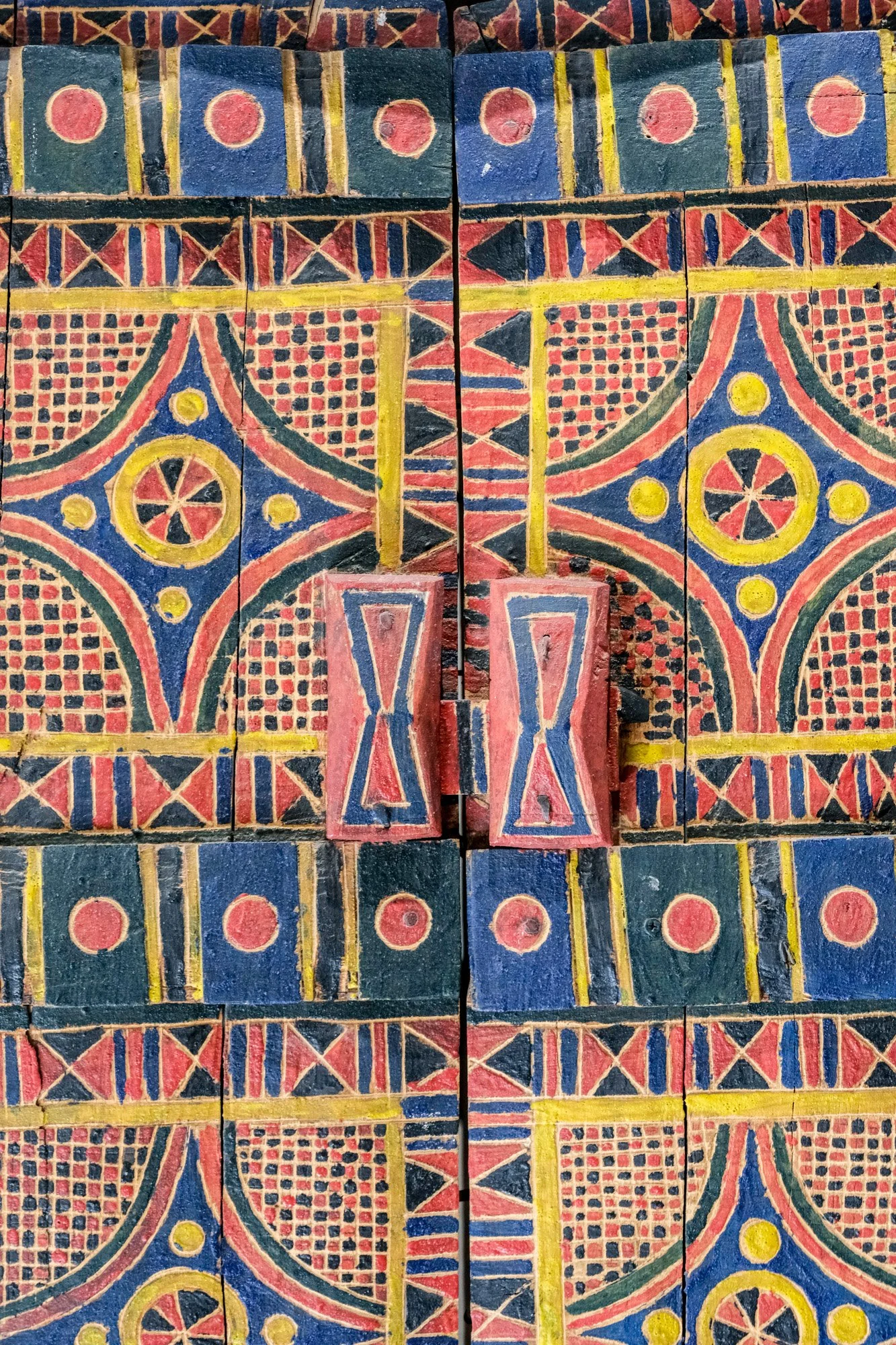
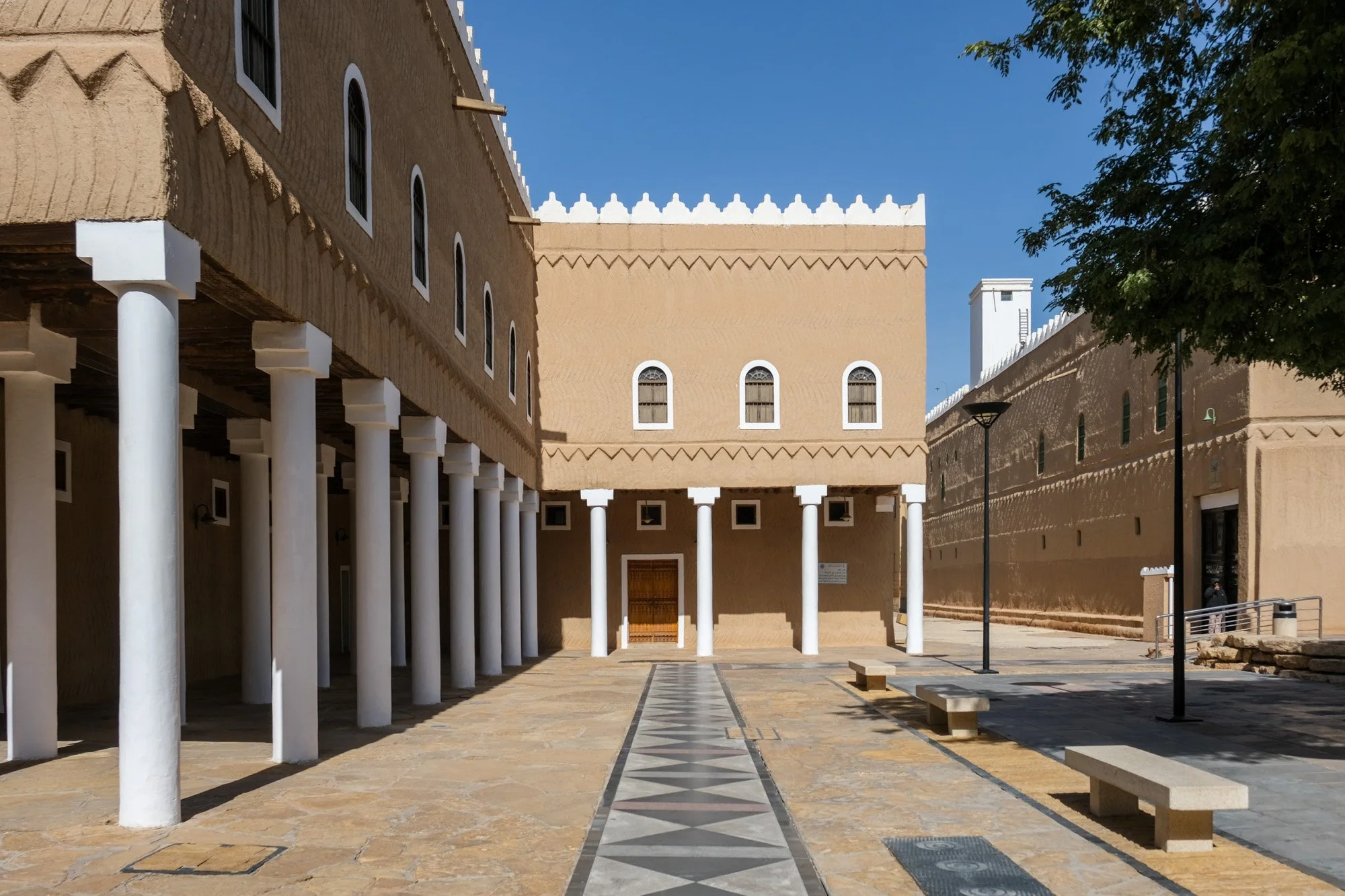
While the government stopped short of reconstructing historic structures, many buildings in the area feature a distinctive style that blends modern architecture with elements of vernacular Njadi architecture. Notable architectural features include small triangular opening/windows (furjat) and stepped battlements (tarma). Most importantly, the building facades feature an earthen palette that pays tribute to the earthen walls of the historic structures. Compared to the glass curtain walls of modern skyscrapers, these mildly “post-modern” buildings are surprisingly charming and entirely appropriate for the arid climate. These modern buildings may not be particularly beautiful, but I could appreciate their cultural sensitivity.
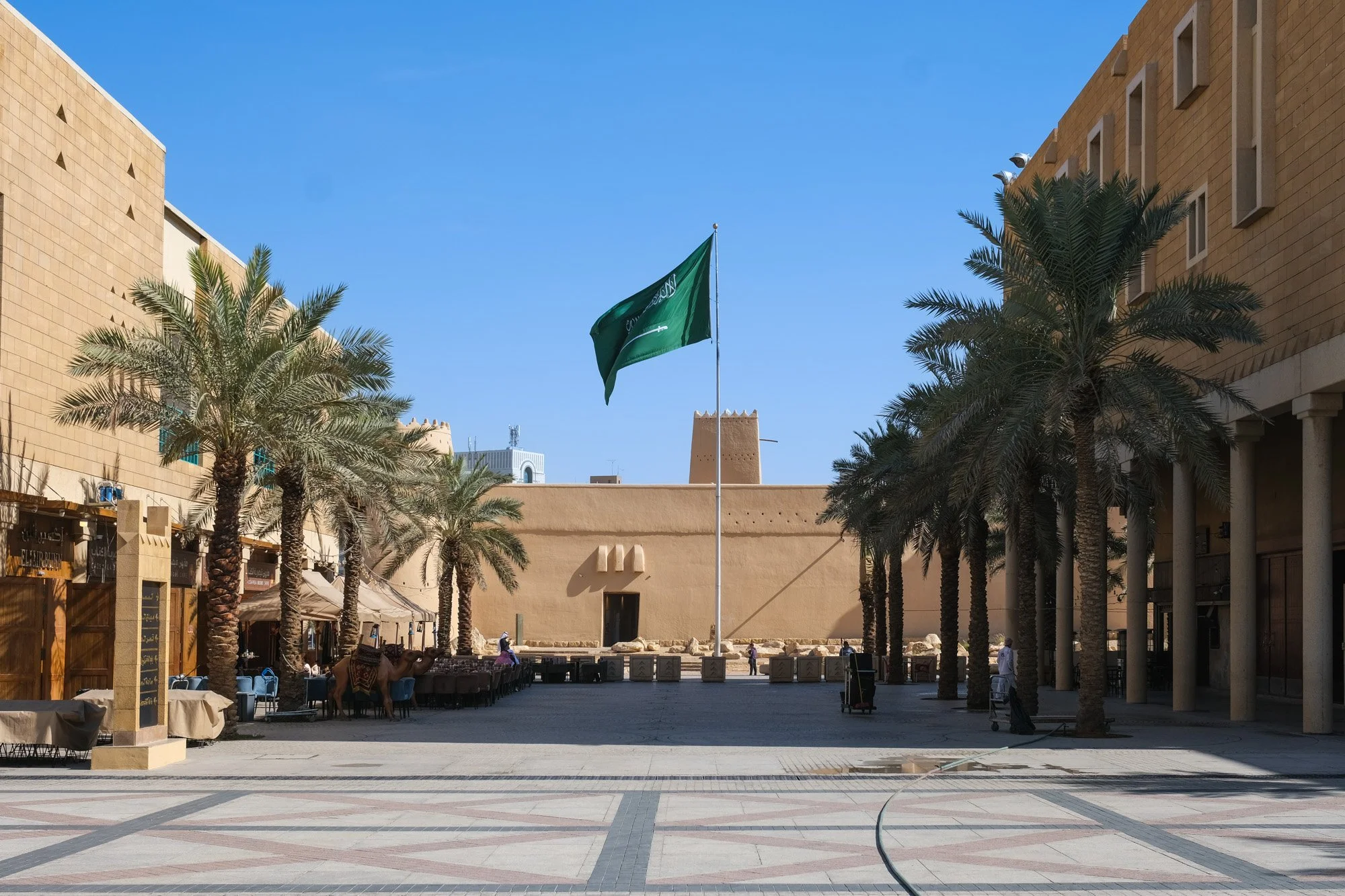
Just a block away from Masmak Fortress is Al-Hukm Palace, the historic heart of Old Riyadh. The historic palace was constructed concurrently with the city wall in 1747 and served as the traditional center of power for the House of Saud until Ibn Saud built a new palace outside the city wall and moved his residence there in 1938. While the center of the administrative state moved from Al-Hukm Palace, it remained the place where the Saudi kings received pledges of allegiance from local chiefs and other members of the royal family until very recently. In 1988, the palace and its surroundings were redeveloped, resulting in its current appearance, which could be best described as “Nadj-modern.” The palace is most recently featured in the special issuance of 200 Rial banknotes. Given its austere, modern appearance, we could hardly tell of its historical significance.
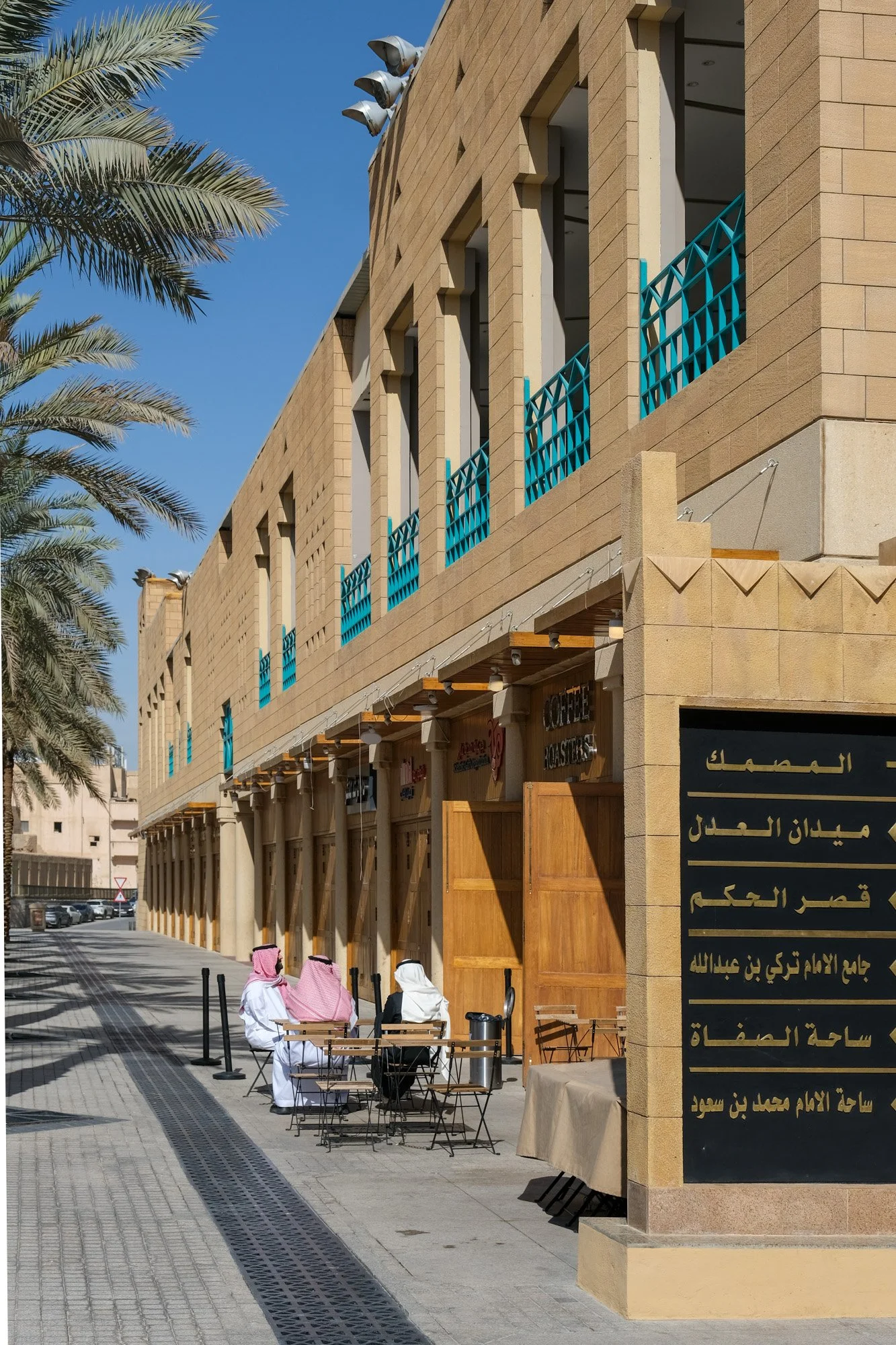
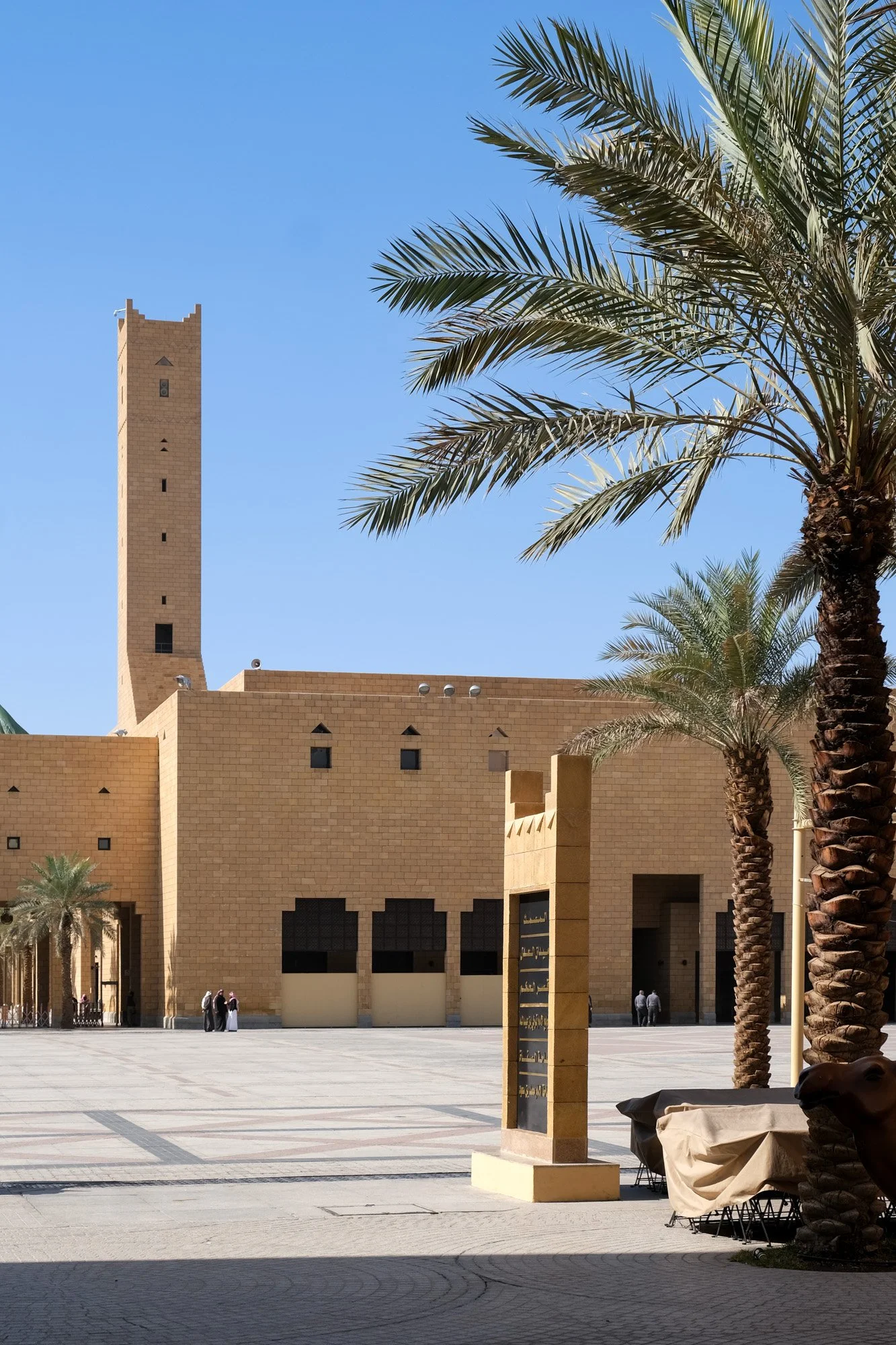
While few visitors could recognize the palace, the public square out front is probably the most infamous spot in all of Saudi Arabia: Deera Square. This public square is infamous as the site of public executions. To this day, the kingdom remains the only country that still carries out capital executions by beheading. The Saudis follow Sharia Law and have one of the strictest regulations on gender and family structures, aside from countries like Iran and Brunei. The death sentence could be handed out to both Saudis and foreign nationals for both violent and non-violent crimes. Like most authoritarian countries, the Saudi justice system has a nearly 100% conviction rate. The accused are typically not afforded legal assistance, and trials are typically hidden from public view and are carried out at lightning speed. Families are typically not notified of the execution.
Despite the liberalization efforts by the Crown Prince Mohammed bin Salman, the pace of the country’s executions has been on the rise. In 2024 alone, there were at least 345 executions, including 264 foreign nationals beheaded for non-violent drug charges. Most were migrant workers working in construction and domestic services. Human rights advocates believe many were unwillingly used as drug mules by the drug cartels. While the arrest of Brittney Griner by the North Korean government on similar charges grabbed international headlines, the executions of foreigners in Saudi Arabia sadly received so little attention.
Most executions of Saudi nationals were for terrorism charges, which were the Saudi euphemism for political activities that ran counter to the government, including notable dissidents during the Arab Spring protests. Some of the more exotic crimes punishable by death include witchcraft and “deviant beliefs”. Saudi Arabia. Indeed, the kingdom still prohibits non-Muslims from worshipping in public. Islam is not only the constitutional state religion, but the laws also prohibit proselytizing to religions other than Islam. While countries like Morocco and the United Arab Emirates are keen to talk about the peaceful coexistence of religions and the number of active churches and synagogues in their country, you would not find a single temple or church in Saudi Arabia.
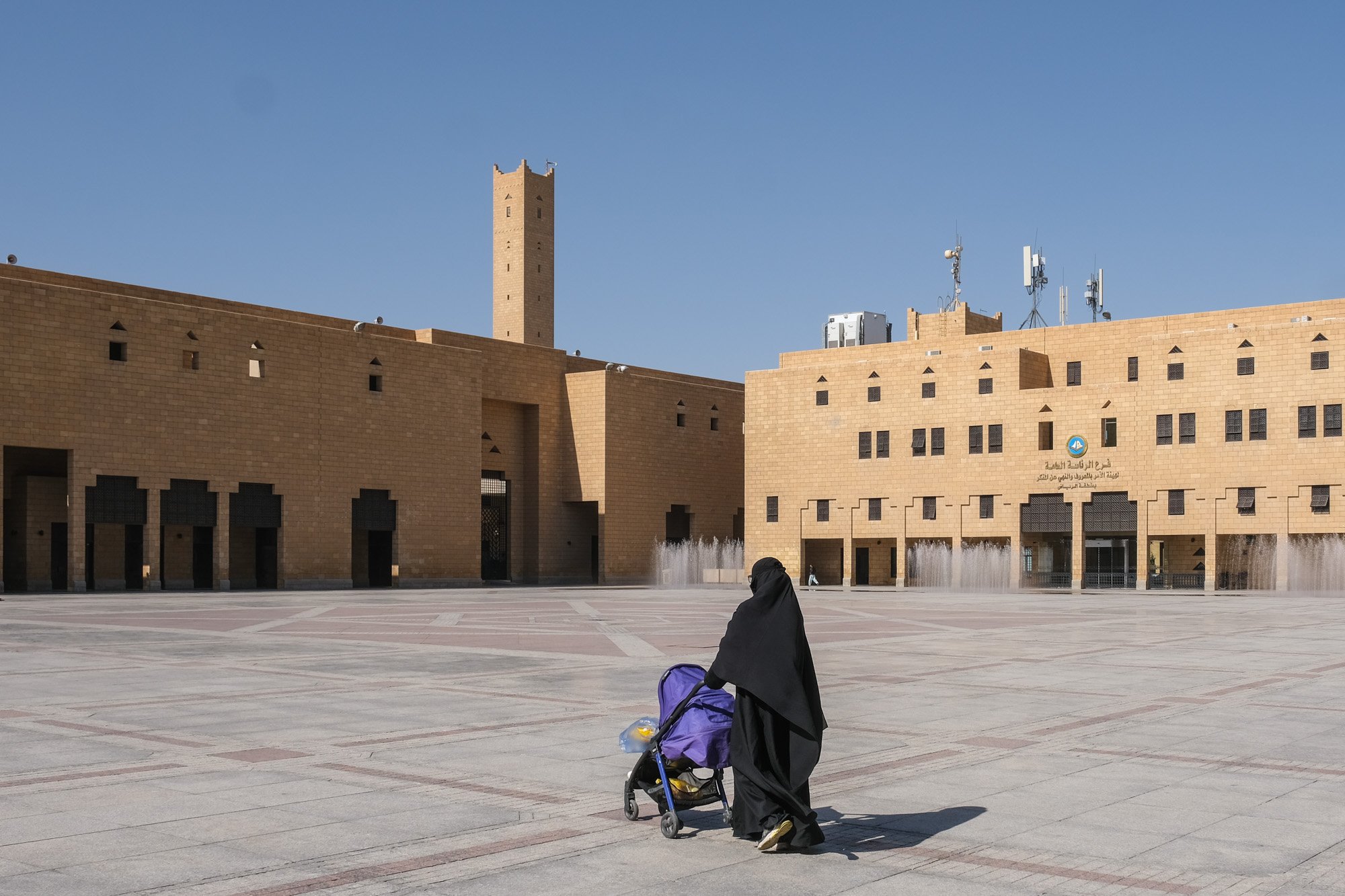
Traditionally, the public beheading took place at the center of Deera Square, which is fronted by the grand mosque and the former headquarters of the much-feared religious police. After the Friday prayer, the police would clear the center of the square and bring out the condemned, with the executioner carrying the curved swords, the same type featured on the Saudi coat of arms. The beheading would be carried out with pomp and circumstance. According to a Western journalist who witnessed the event, public executions here were so routine that they did not elicit much special attention from the public. However, taking video or photos of the execution has always been strictly forbidden. The bodies were sometimes put on display, not all that different from the norms in medieval Europe. Sometimes, the severed heads were stitched back to the body and taken away swiftly for burial.
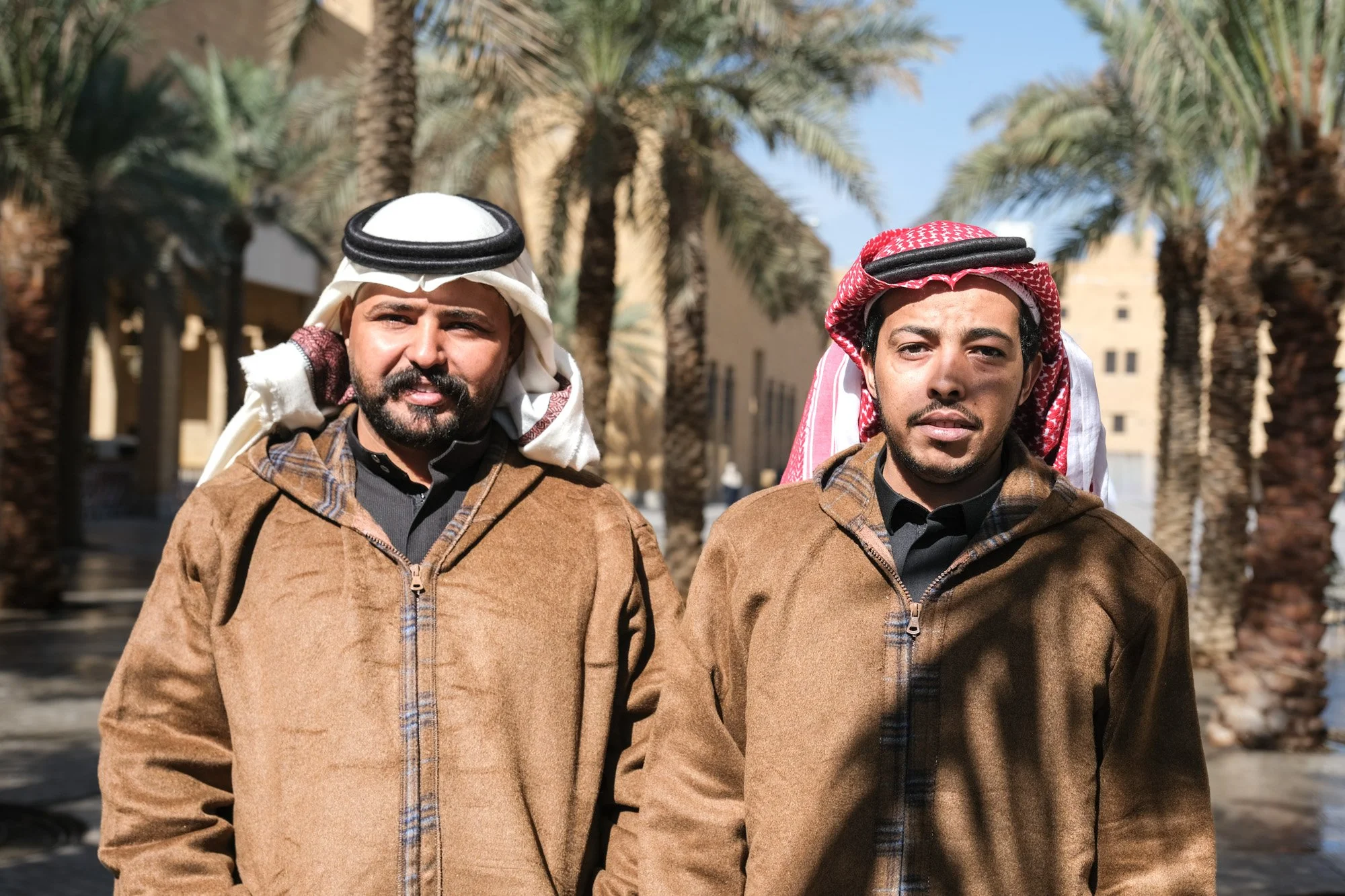
Following the recent liberalization effort to open the kingdom to the outside world, all public executions became an even greater flashpoint for human rights advocates. When the country started welcoming foreign tourists, they obviously couldn’t continue beheading people in the main square of the capital. The public executions in the square ceased in 2013, but the pace of executions out of view continued to accelerate. Today, Deera Square is surrounded by quaint cafes and restaurants. The only reminder of the bloody past today is a massive drain in the middle. It was there to facilitate the cleanup after the execution.
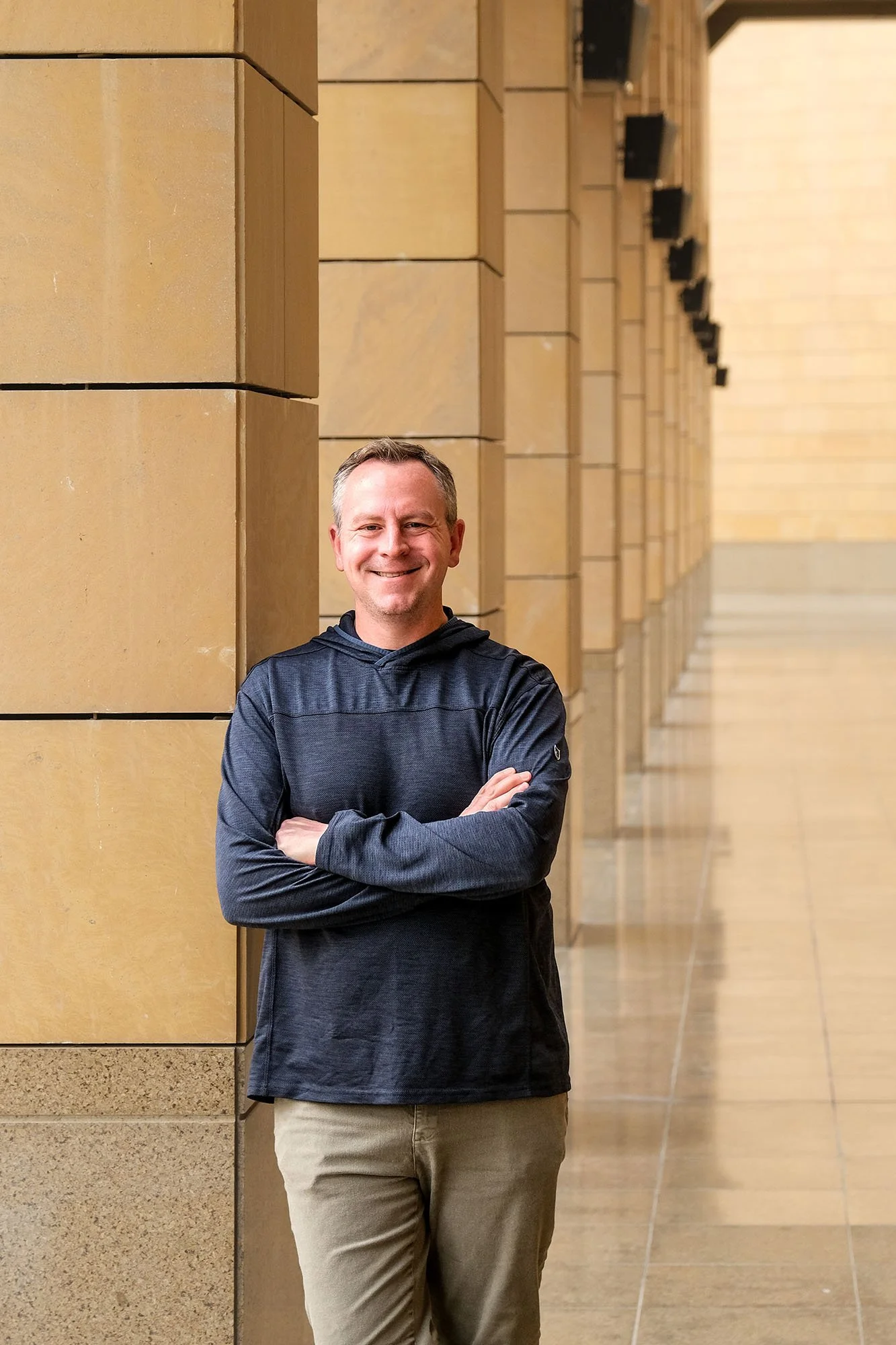
I made the unfortunate decision to tell him about the grisly recent history of public beheading, and how the square is also nicknamed “Chop-Chop Square.” Brian was already wary about visiting Saudi Arabia before the trip. He had read about the prosecution of LGBT individuals, and he immediately felt uncomfortable about being at the spot where they chopped people’s heads off. Although this looks just like any other public square, one cannot, and should not, overlook the gruesome recent history and what is still taking place behind the prison walls. For anyone considering the ethics of visiting Saudi Arabia, I suggest checking out my previous post on this very complicated topic.
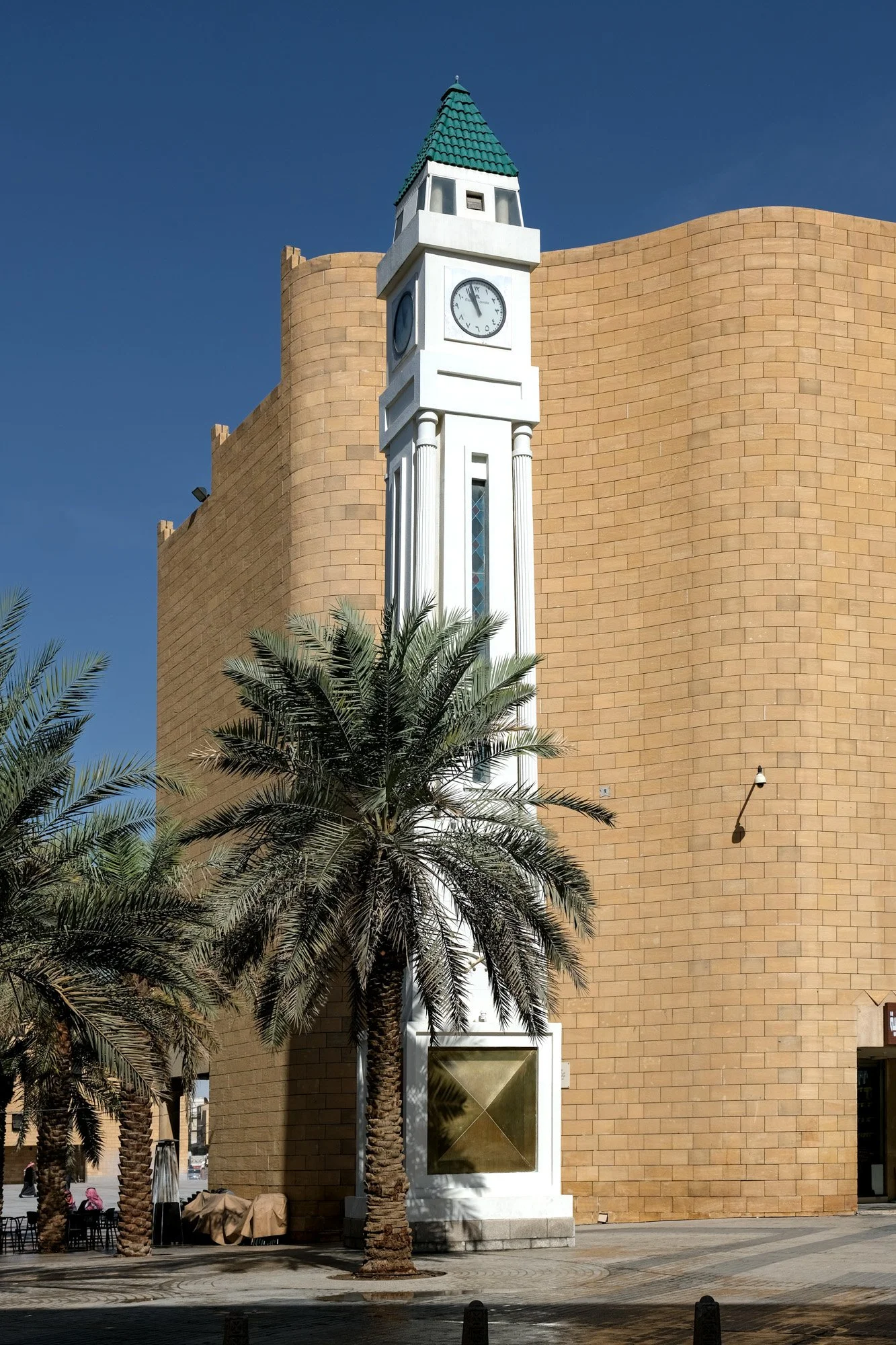
Safat Clocktower was once on the most recognizable landmark in Riyadh.
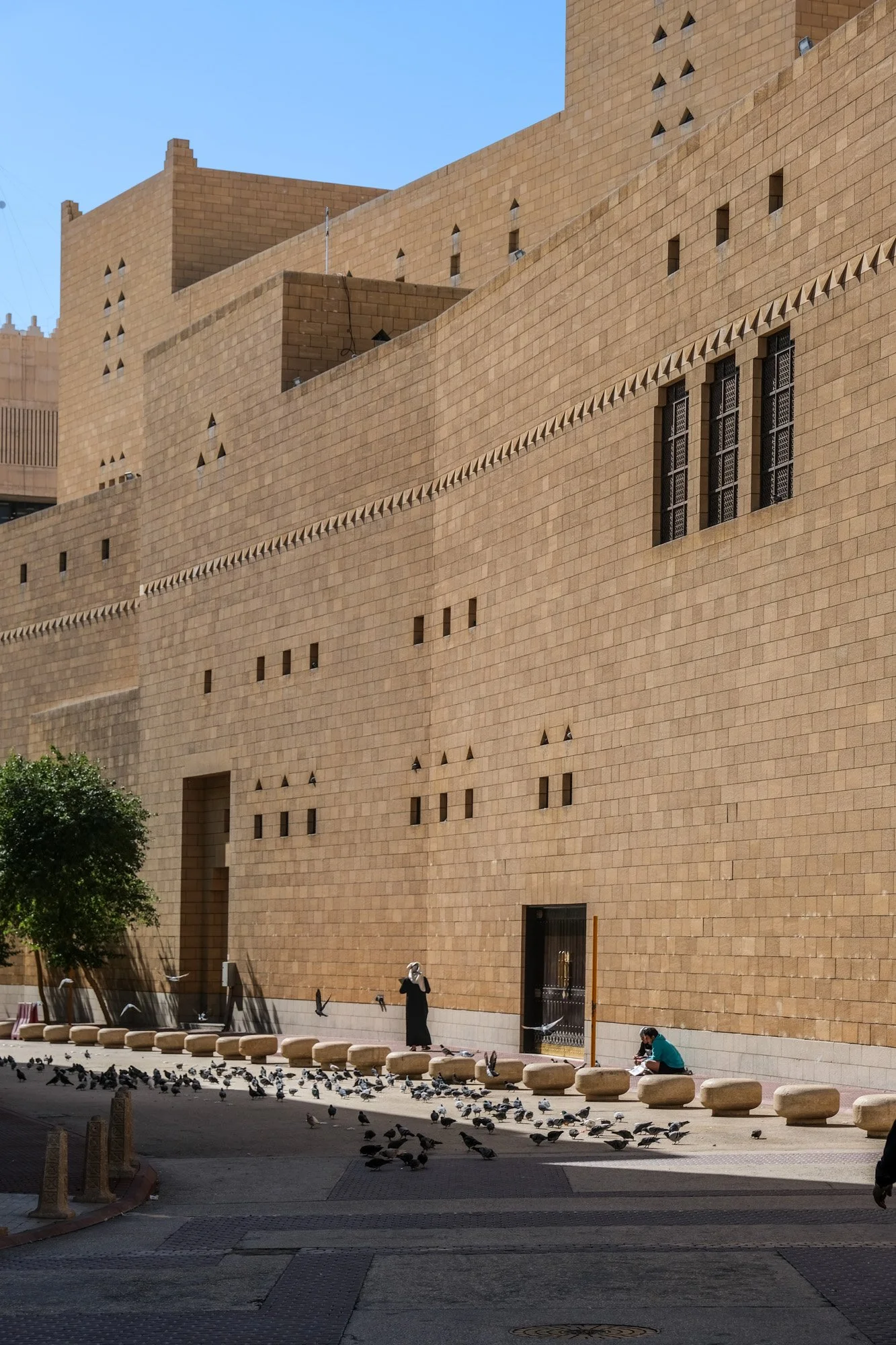
Another major landmark in Old Riyadh is the Imam Turki bin Abdullah Grand Mosque. This historic mosque was entirely rebuilt in 1992, contributing to its rather unassuming modern appearance. Interestingly, the building was actually awarded the 1955 Aga Khan Award for Architecture, the top architectural prize in the Islamic world. With an indoor capacity of 16,000, this is among the largest mosques in the country. As is the case throughout the kingdom, non-Muslims are not allowed to enter the mosque without special permission. On the other hand, the rule is self-enforced, so I suspect some visitors in proper attire might sneak in. I would never advise that, of course.
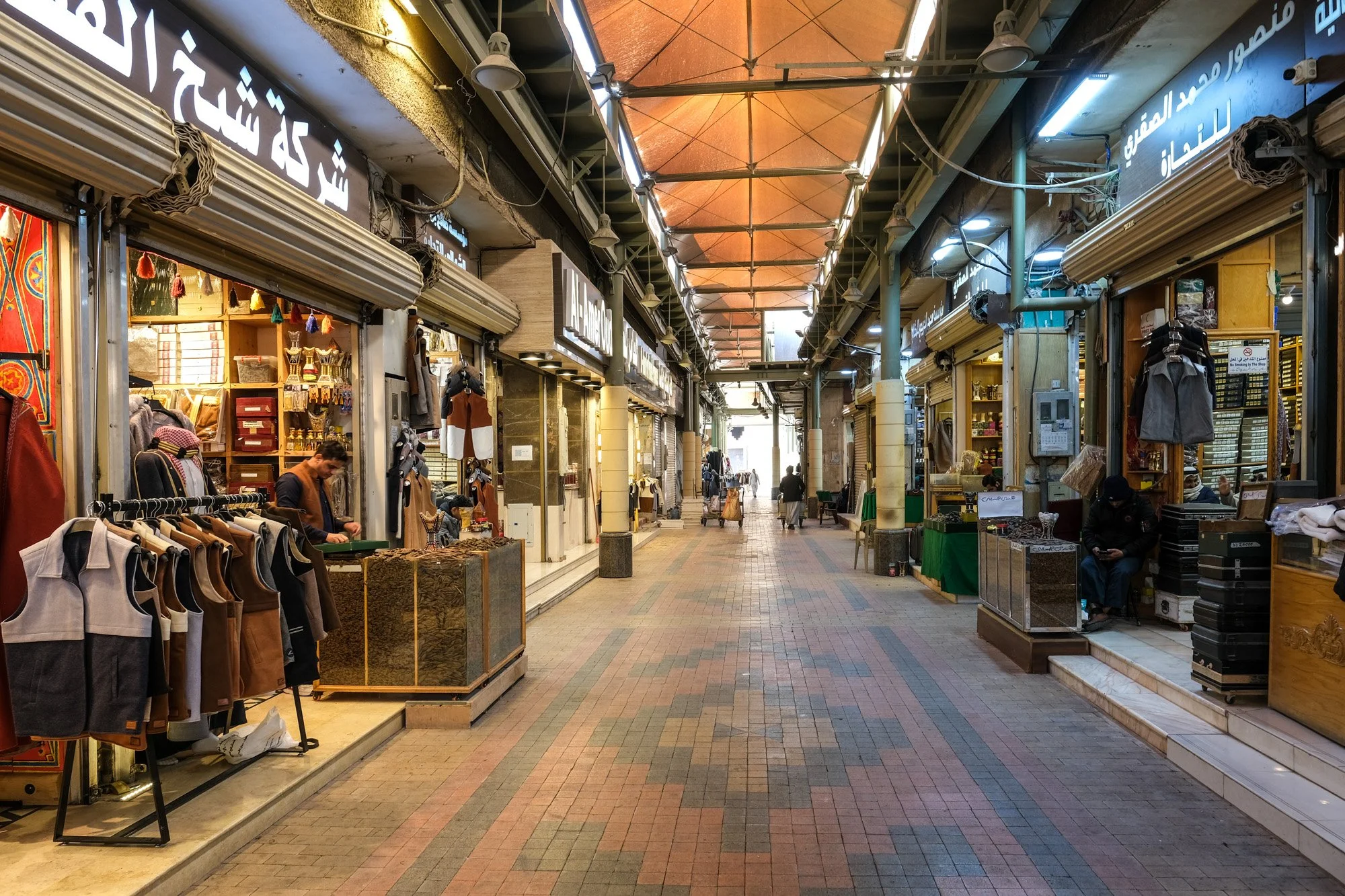
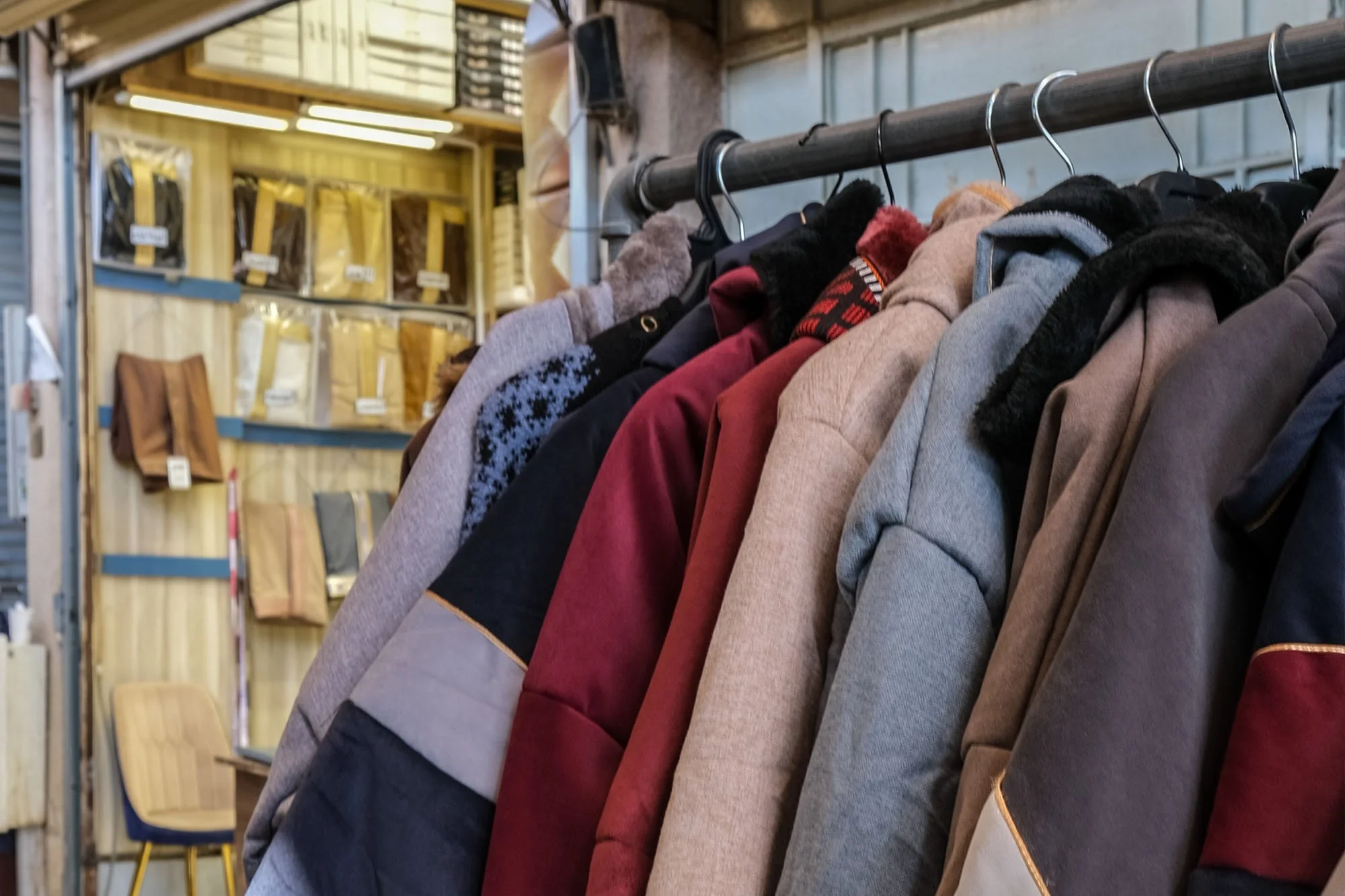
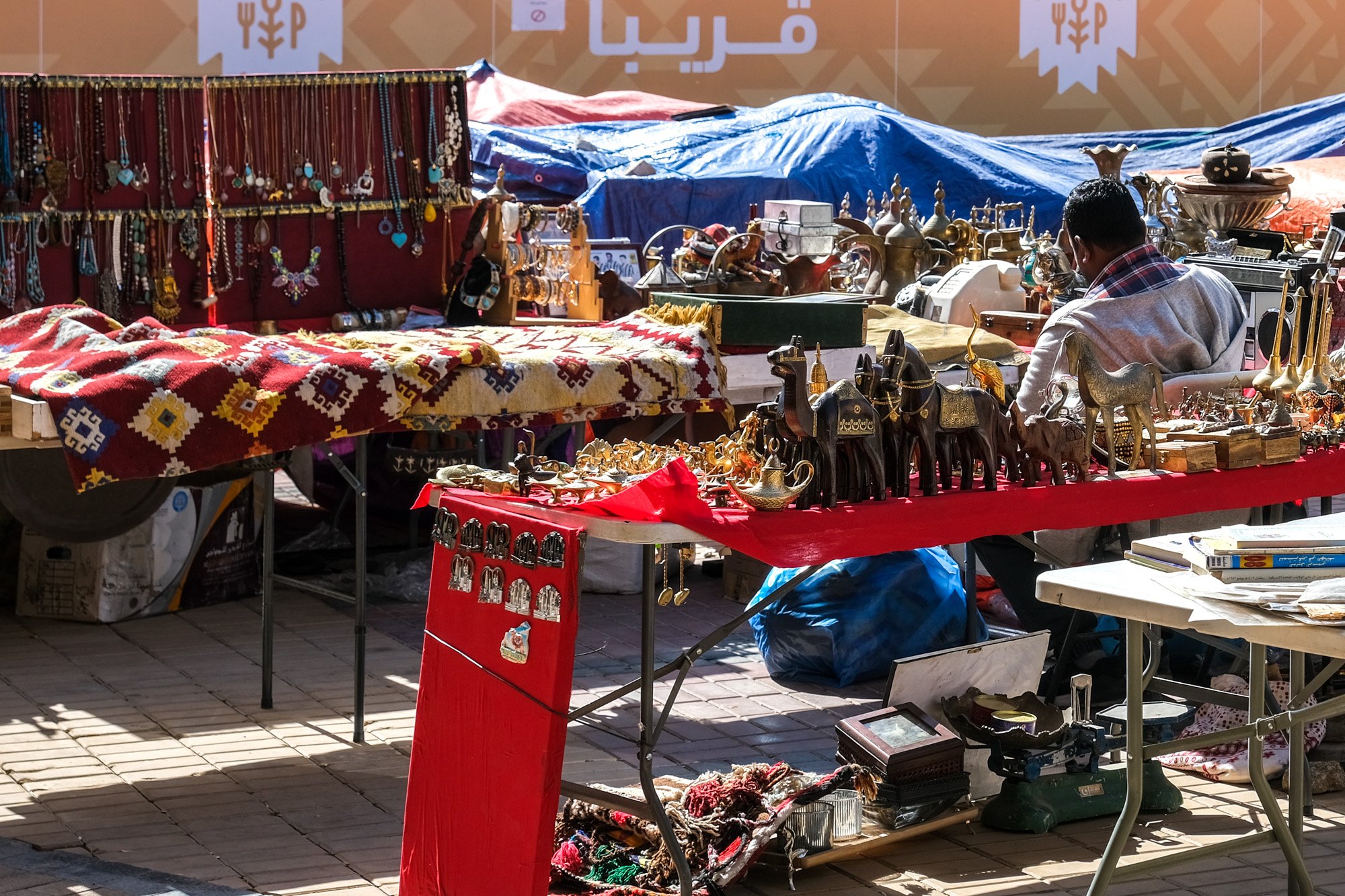
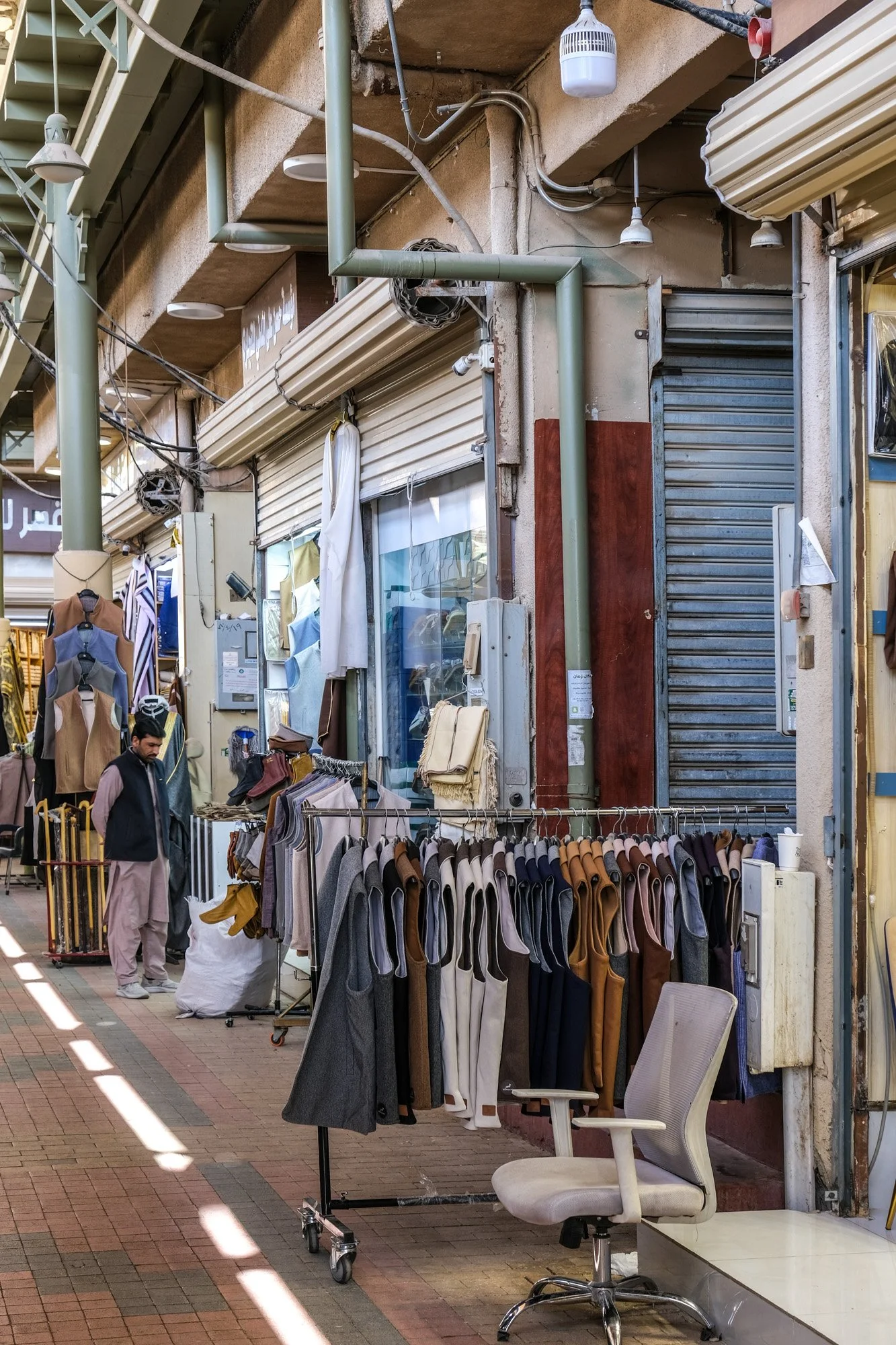
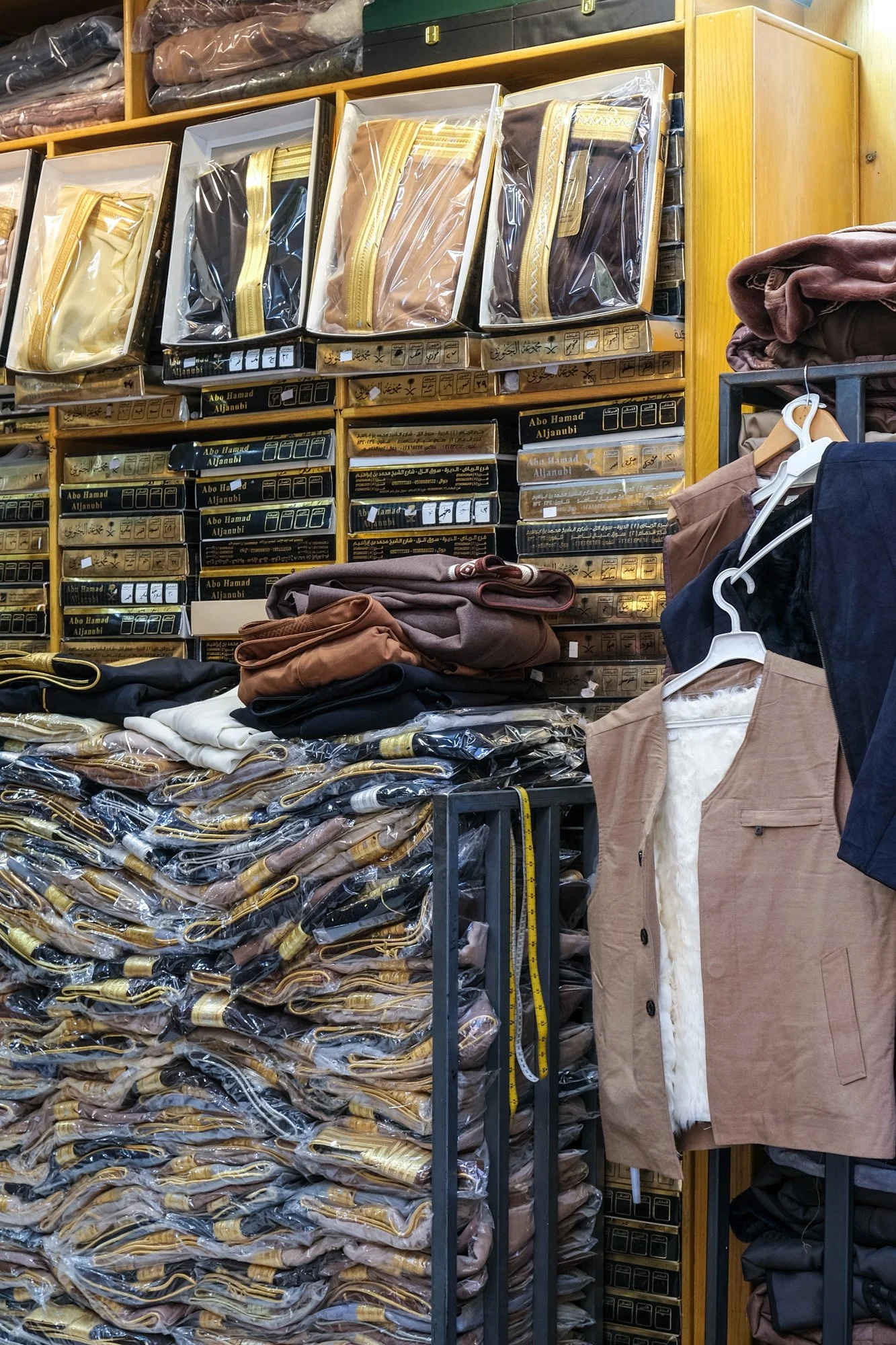
With that, we took a short walk to the historic souq. Covering nearly ten acres, Souq Al Zal is the city’s most prominent traditional market. Like the grand mosque, the marketplace was rebuilt in a modern style, albeit a more utilitarian one. The market is divided into different zones, with areas for auctions and performances. Since we were there in the morning, there were barely any other shoppers around. The front section we visited is filled with traditional menswear. While the souqs in Marrakesh and Istanbul are grander architecturally and more colorful, Souq Al Zal is catered to discerning locals. You would not find stuffed camel plushies or fridge magnets. The shopkeepers are certainly not interested in harassing passersby. I just wish we were more interested in traditional crafts.
Our next stop was a quick five-minute drive from Old Riyadh to the “new” administrative center of the kingdom. As mentioned previously, King Abdulaziz ibn Saud constructed a new working palace outside of the walled city. Completed in 1938, Murabba Palace was his residence as king until his passing in 1953. This relatively humble palace gave us a glimpse of what Al Hukm Palace might have looked like before its demolition. With the help of the American-backed oil company, Saudi Aramco, the king was able to incorporate the latest technologies into his new family palace. It was among the kingdom’s first buildings with modern plumbing and air conditioning. At less than a hundred years old, this diminutive palace demonstrated just how far the country’s development had come in the past century.
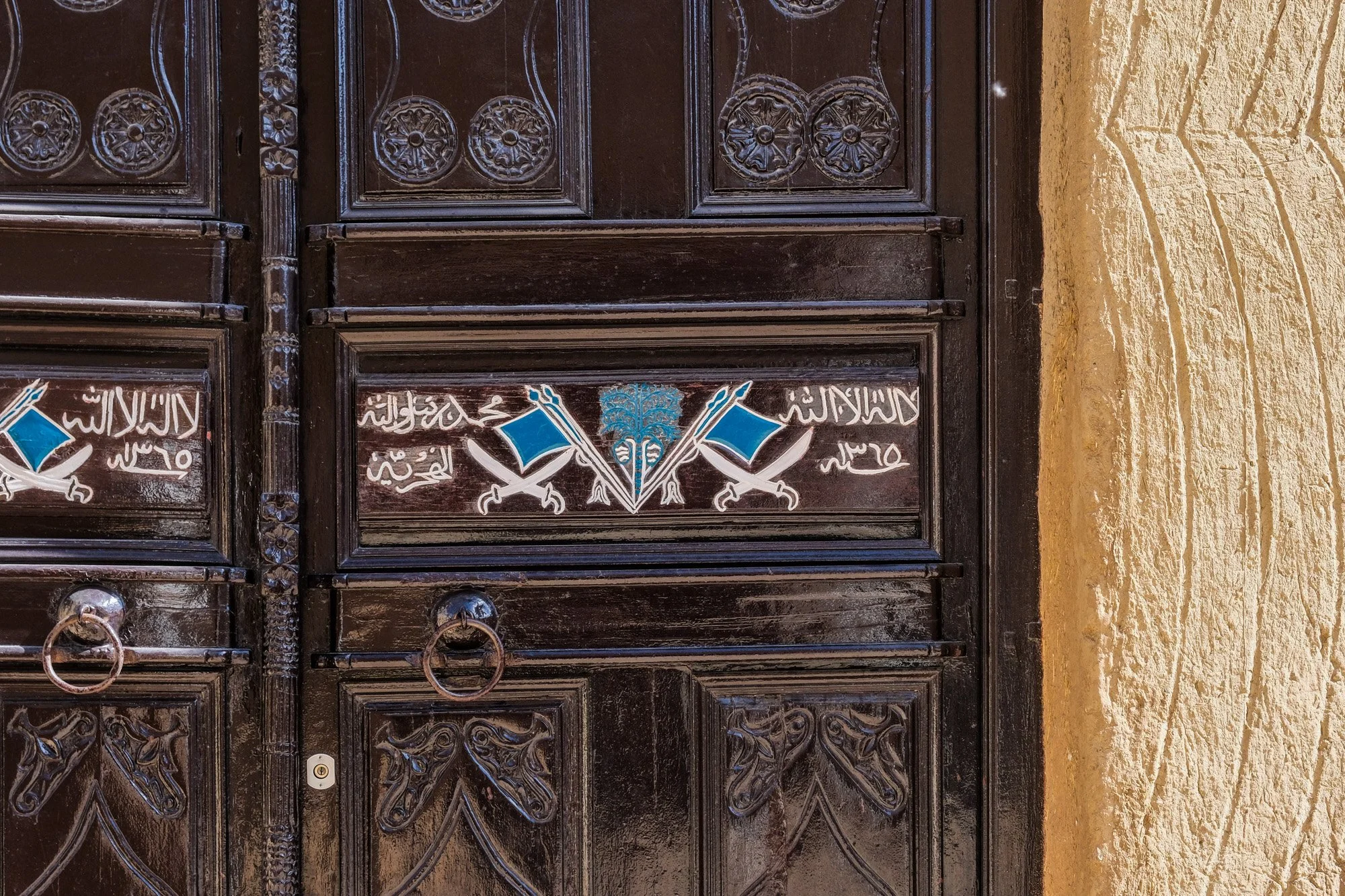
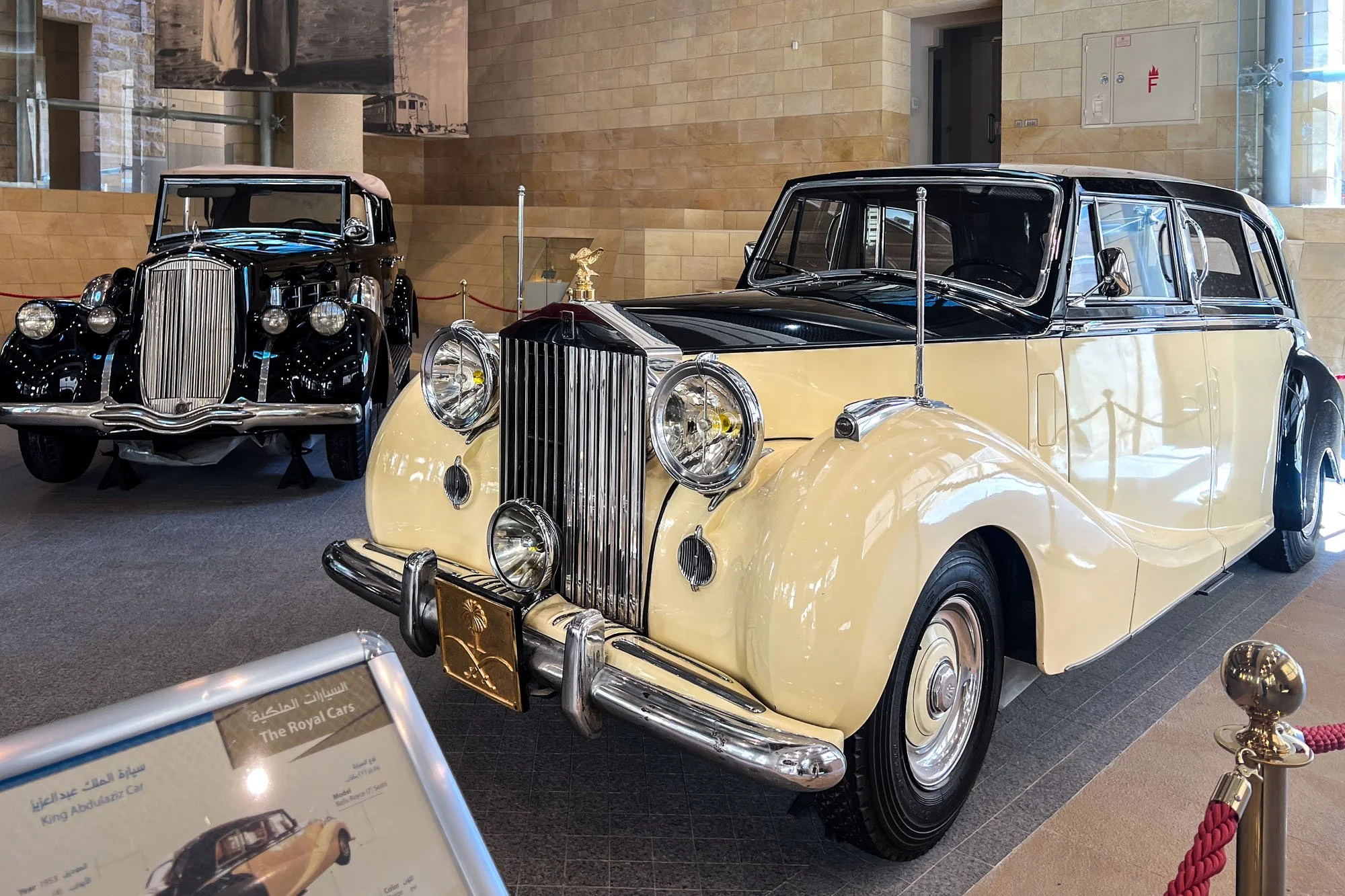
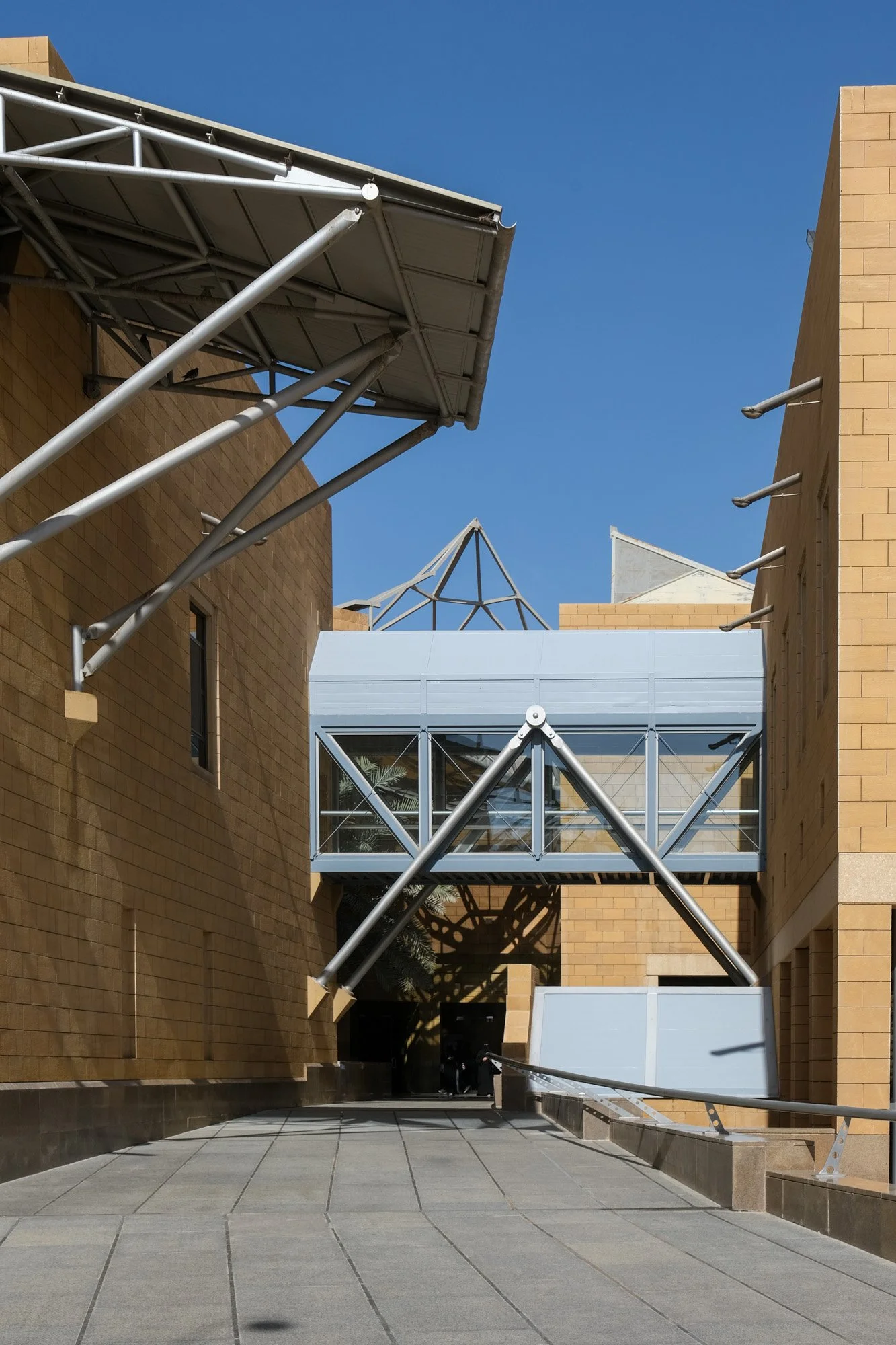
Unfortunately, the palace was closed for renovation during our visit, and there was no information on when it might reopen. Thankfully, we were able to enjoy the exhibits at the nearby King Abdulaziz Darah Public Library. The modern, perhaps post-modern, annex houses the archive of King Abdulaziz and artifacts from the early years of the Third Saudi State, including weaponry, ceremonial banners, handwritten manuscripts, and fine china. However, the star of the collection is the former king’s fleet of luxury cars. Due to the lack of fuel and paved roads, operating these vehicles was quite a feat back then. Back then, segments of the Saudi populace were also skeptical of modern technologies, such as automobiles. It must have been wild to see these luxury cars crossing the dirt roads of the Arabian desert.
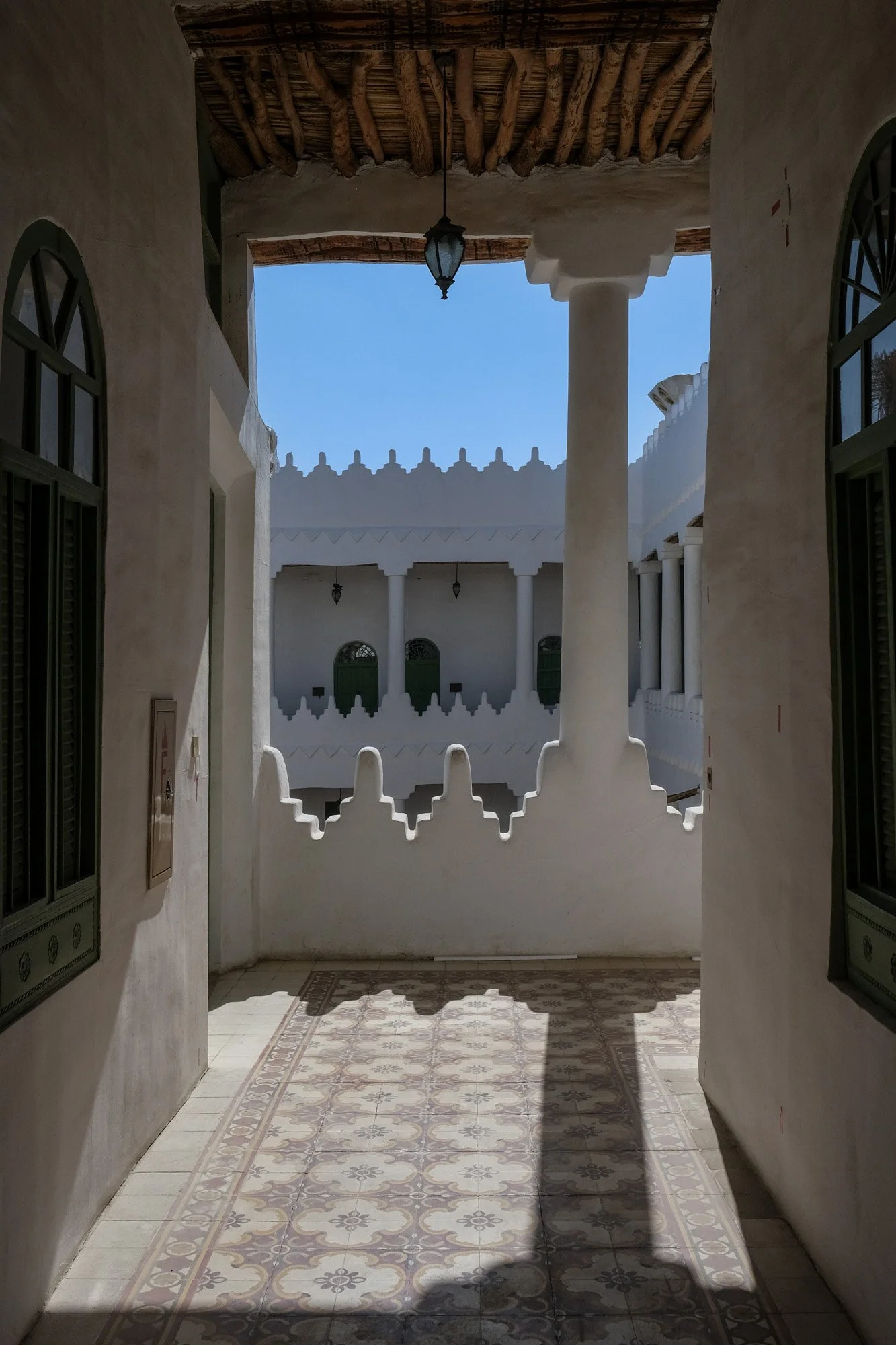
Just as we were about to head out, I noticed a rather grand door at the center of the exhibition hall on the second level. For whatever reason, I felt attracted to this door and felt compelled to discover what was on the other side. It turned out ot be a corridor connected to Murabba Palace. The pristine white walls and the characteristic crenellation were sublime. Part of why it was so impressive was that I got the sense I was trespassing, taking a small peek behind the curtain. Of course, it only took a few minutes before a staff member confronted me and promptly escorted me away.
Just a few minutes’ walk from the library was the National Museum of Saudi Arabia. In recent years, I have always made a point of visiting the national museum when we visit a new country. I deliberately planned a one-day layover in Doha at the end of this trip solely to visit Qatar’s iconic national museum. Since Saudi Arabia has been actively promoting its tourism sector, I was curious about just how the kingdom presents the nation’s vast territory and deep heritage. It surely could not be less impressive than its Qatari counterpart, right?
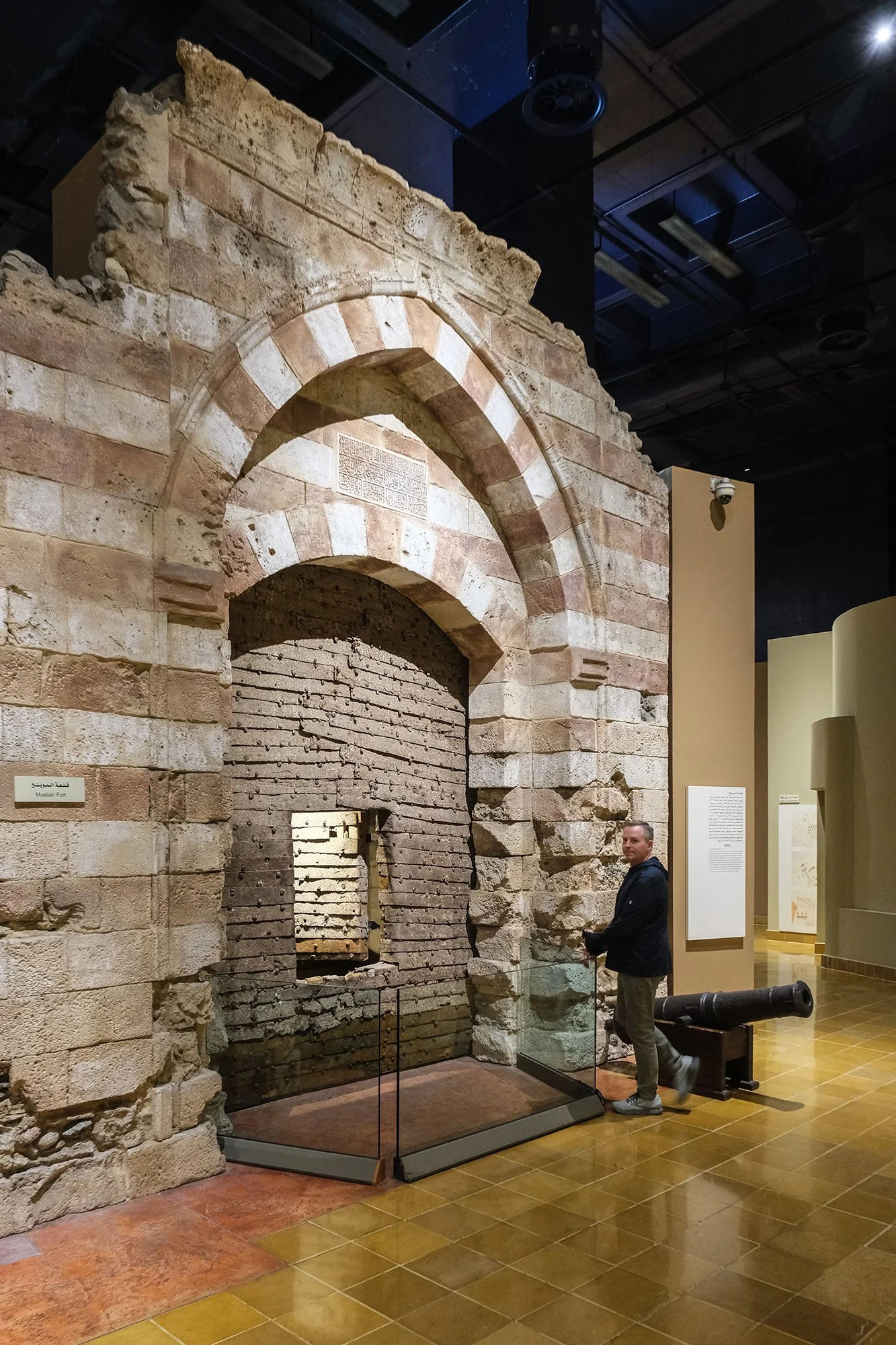
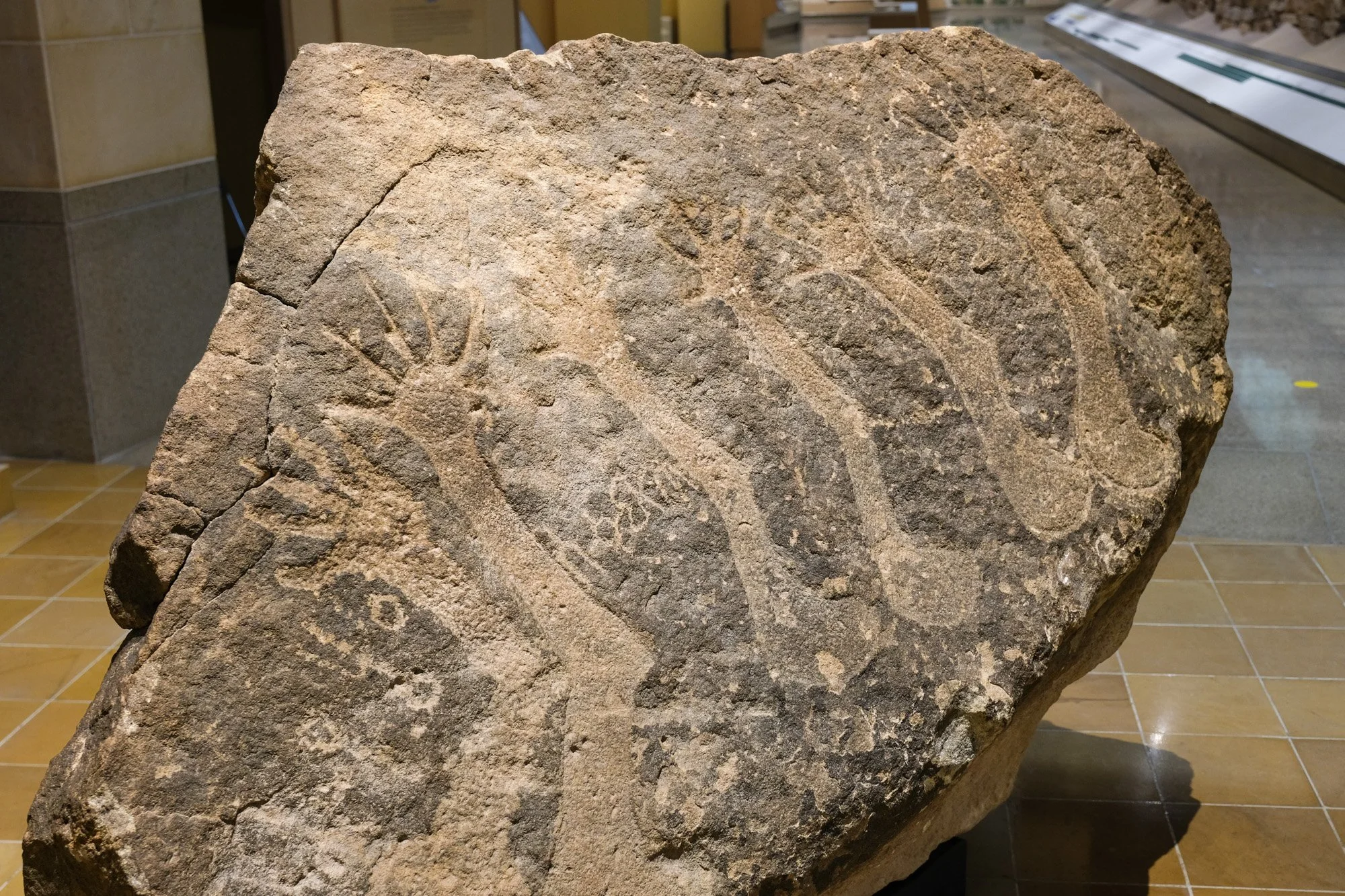
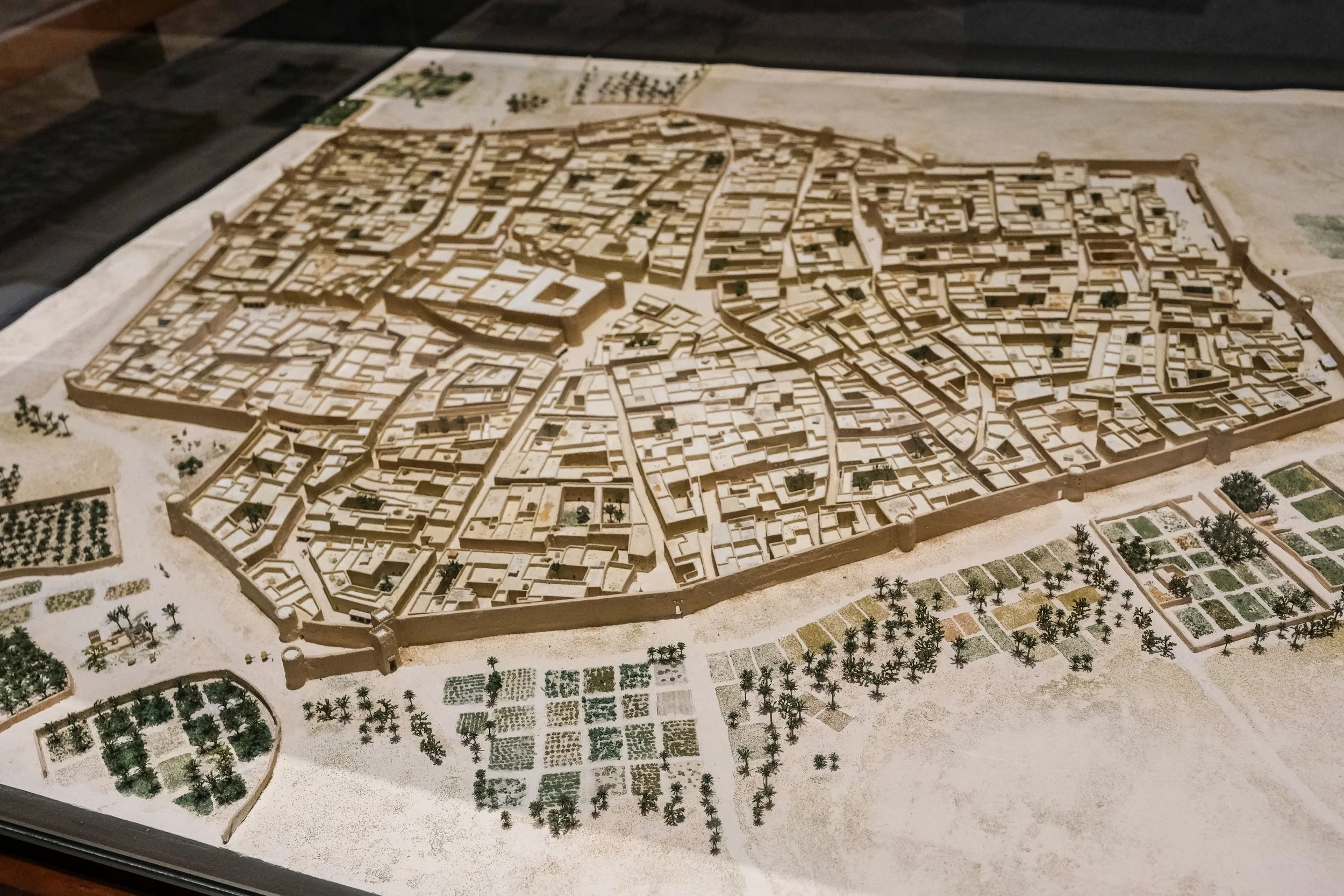
The national museum is free to enter and is housed in a vast, modern structure. Built in the same Najd-modern style, the museum’s cavernous galleries only highlighted just how few foreign tourists there are in the kingdom. Like most national museums, the first galleries focused on the genesis and geology of Saudi Arabia, followed by the native flora and fauna. Understandably, the highlight was the kingdom’s pre-Islamic history. From the enigmatic Nabataean tombs in Hegra to the petroglyphs of ancient nomads, this part of Saudi history is relatively unknown to the outside world. It was a great introduction to our visit to Al Ula a few days later. However, the display
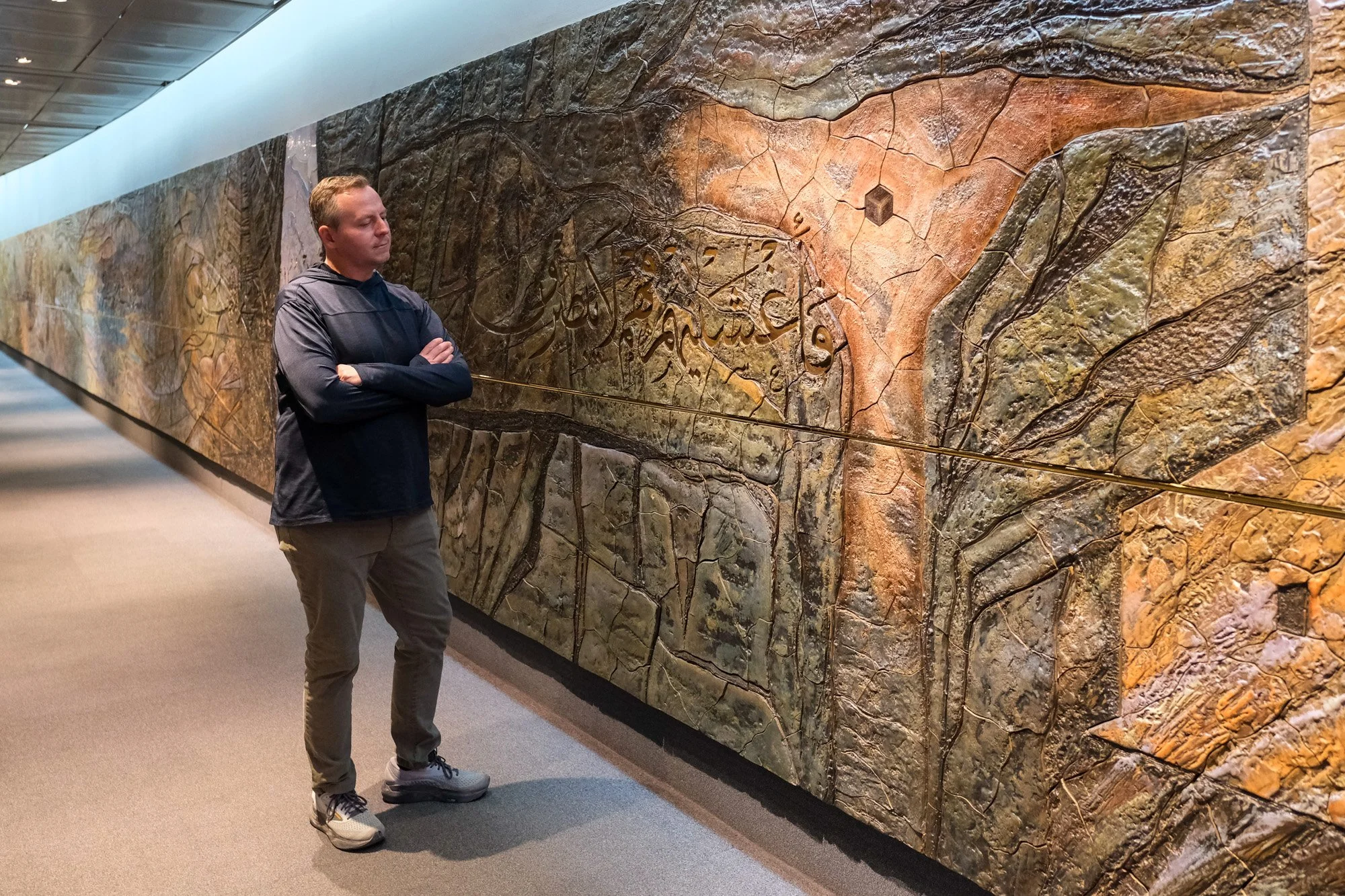
Objectively speaking, the
The